Uncategorized

Spiele!

Our third Infosheet is about one of our favourite topics – games! Not the ones that require a CD or a gaming console (we’ll get to that later on!), but rather, board and card games!

Germans LOVE their games! Especially during the winter months when it gets very cold outside and the sun goes down early, many Germans will spend hours sitting around a table with their friends and family playing games.

German card and board games are quite unique; they are often based on strategy or logic, rather than luck, they are often simple, yet very clever, they are designed to have a minimum amount of down-time and a maximum amount of player interaction. Whilst many people stick to Games that they know, Germans love to find new games and you’ll often find that popular magazines contain a game review along with their movie and music reviews. Germans love games so much that they even have an annual prestigious award – the ‘Spiel des Jahres.’ The ‘Spiel des Jahres’ award is so highly regarded that a nomination will increase a typical game’s sales from approximately 500-3,000 copies to around 10,000, whilst the winner of the award can expect to sell around 300,000-500,000 copies!
Spiel-des-JahresSome of the most popular games include:

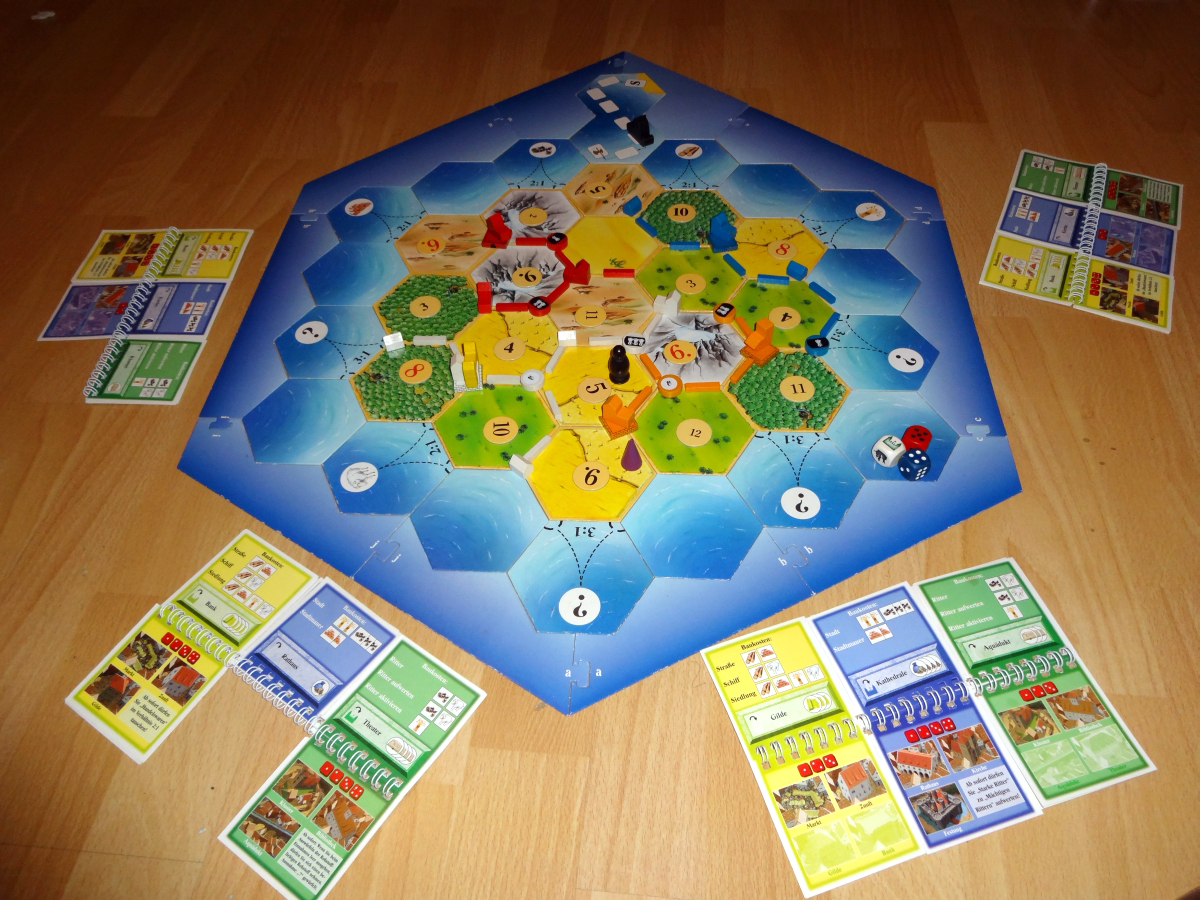
Die Siedler von Catan (The Settlerss of Cattan): a board game where players attempt to establish cities and settlements on the island of Catan. The Settlers of Catan has been referred to as “the board game of our time”, has been translated into 30 languages and has sold over 18 million copies worldwide. It was first awarded the Spiel des Jahres in 1995 and has since won 7 other major game awards around the world. It may be 20 years old, but it is still loved by the young and young-at-heart!
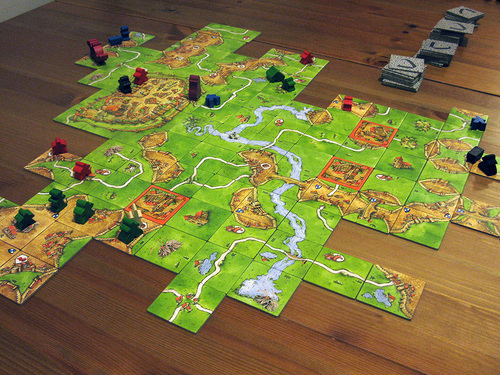
Die-Siedler-von-CatanCarcassonne – a tile-based board game named after the medieval fortified town Carcassonne in France. Players can build cities, fields, roads and cloisters, place figures on their tiles for extra points and, in the end, the player with the most points wins! The game is so popular that there is even an annual international Carcassonne tournament held in Germany.
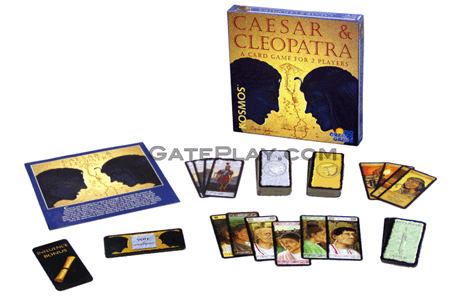
CarcassonneCaesar & Cleopatra – a 2-player card game where Caesar and Cleopatra (i.e. the 2 players) battle it out for the most points. Both Caesar and Cleopatra ultimately want full power over Rome, but they’ll have to gain the vote of the people (i.e. points) to win. It’s not as simple as that though, be aware of the spies and the many action cards that may force you to reveal your points!
Caesar_Cleo_card_game_dBohnanza: a card game for 3-5 players. The playing cards feature images of beans with different personalities (Bohne is the German word for bean). The game involves card-trading and the building of bean-fields – the more beans of one type, the more points you get! Seems simple enough, right? Wrong! Chances are you’ll be looking for the same type of bean as another player, so you’ll have to make an important choice – to hope for the best or get rid of the bean field and build a new one!
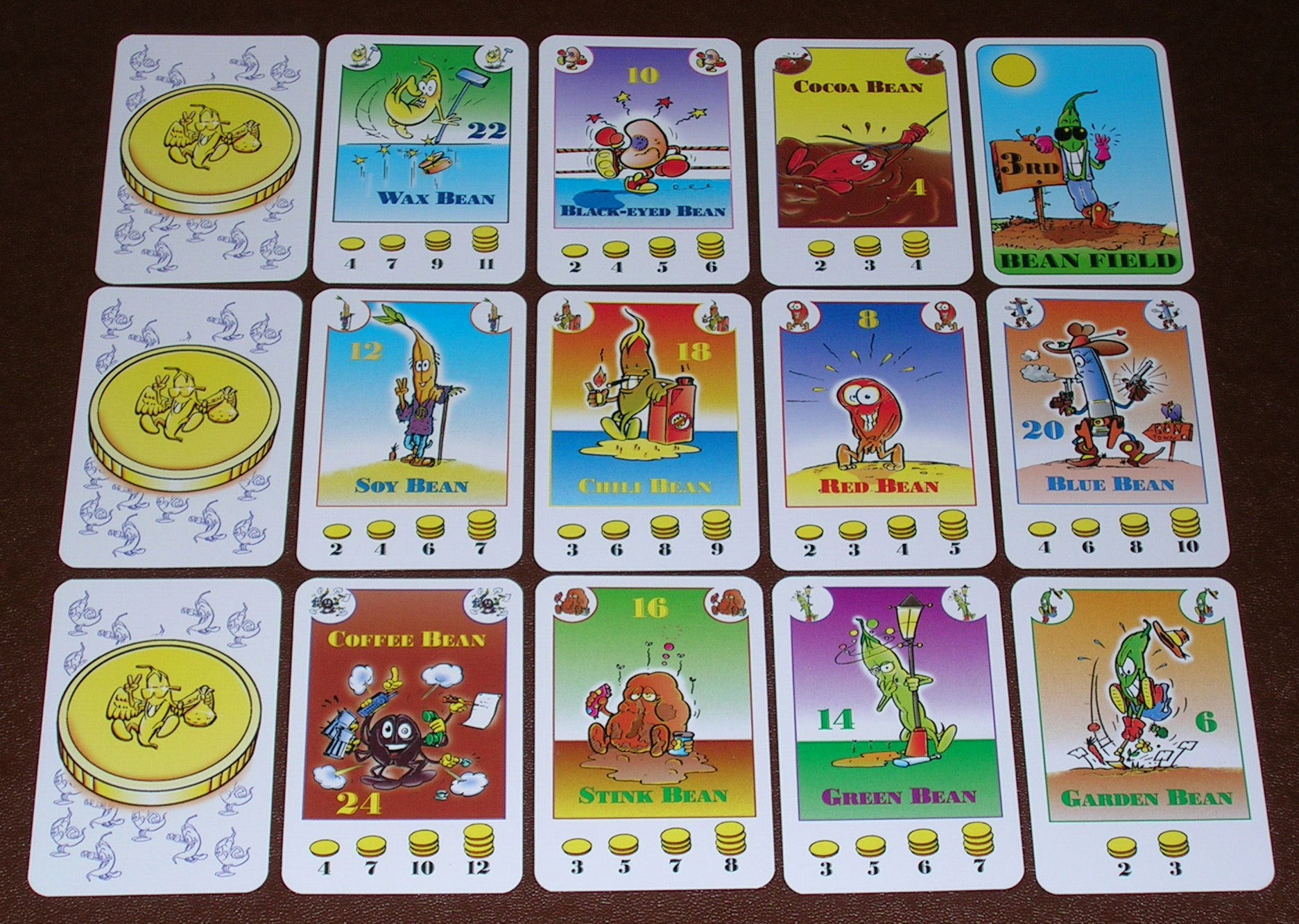
BohnanzaLigretto – a card game for 2 to 12 players where the aim of the game is to get rid of all cards as quickly as possible. The game isn’t made up of turns, but rather, it’s every player at once and every player for themselves! Cards are red, green, yellow and blue and range from numbers 1 to 10. Cards must be discarded in numerical order and according to colour – it’s an extremely fast-paced game and once a player has discarded all cards, he or she yells “Ligretto Stop!” and the game is over. Each game usually lasts between 5-10 minutes, so it is common to play 10 or 20 games in a row!

Ligretto

Categories: Uncategorized | Leave a comment

Christmas Markets: The Origins

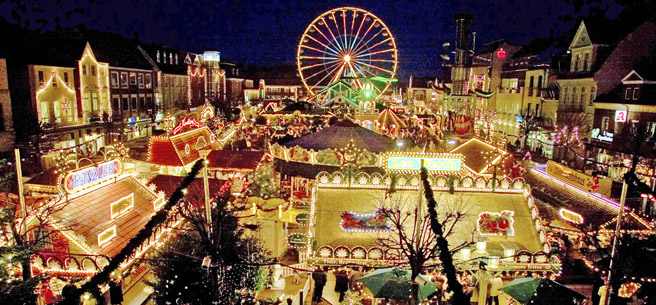
As you may have noticed, we, at the Oktoberfest for Teens, absolutely love the German Christmas Markets. We’ve talked a lot about what they are and where to find the best ones, but, in running with the winter-activity theme of this week’s Infosheet, we thought we would tell you a little bit about how Christmas Markets came to be.

Did someone wake up one morning and decide that having stalls with food and presents before Christmas was a profitable business opportunity, map out a business plan and get to work? Not quite…

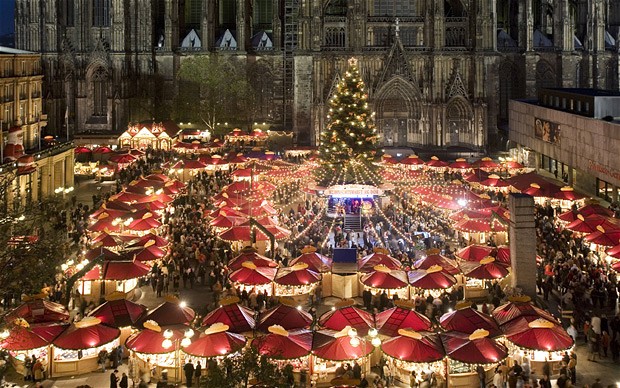
The history of Christmas Markets dates back to the late Middle Ages in Germany. Back in these times it was common to have seasonal markets throughout the year and particularly the markets in the winter months were welcomed among the villagers, as it added some light to the long winter nights. The first Christmas Markets were not much more than the seasonal markets and only lasted a couple of days. Instead of the gorgeous huts and stands which line the modern Christmas Markets, traders would lay out their goods in the street.

Xmas Market1Throughout the years the markets grew, however, only local tradesmen were allowed to sell their goods at the Christmas Markets, which made each market unique as they were filled with local delicacies and traditional products. Although some products are found at all Christmas Markets throughout Germany, this tradition is still upheld and each region’s Christmas Markets have a distinctive character.

Many people have argued that Christmas has only recently become heavily commercialised, and, although this is true to some extent, the main pre-Christmas activity has been gift-buying at Christmas markets since the early 17th century! Initially all Christmas Markets were held around a town or city’s church to attract churchgoers, however, they became so popular that a priest in Nürnberg in 1616 complained that no one attended his afternoon service on Christmas Eve as they were all outside the church enjoying the Christmas Market!
Although the common German name for Christmas Markets is Weihnachtsmarkt, in some regions, particularly in the south, they are referred to as a Christkindlsmarkt (Christ child’s market). This tradition dates back to Martin Luther who suggested that children should receive presents from “the Christ child.”

Xmas Market2Whilst Christmas Markets have come a long way from laying goods out in the streets, the core functions of socialising, eating and drinking and purchasing Christmas presents still remain. Most traditional German handicrafts can be found at all Christmas Markets in the weeks before Christmas, including nutcrackers, wooden figurines and tree ornaments, straw stars, toys and glass ornaments.

Categories: Uncategorized | 2 Comments

City Spotlight: Karlsruhe

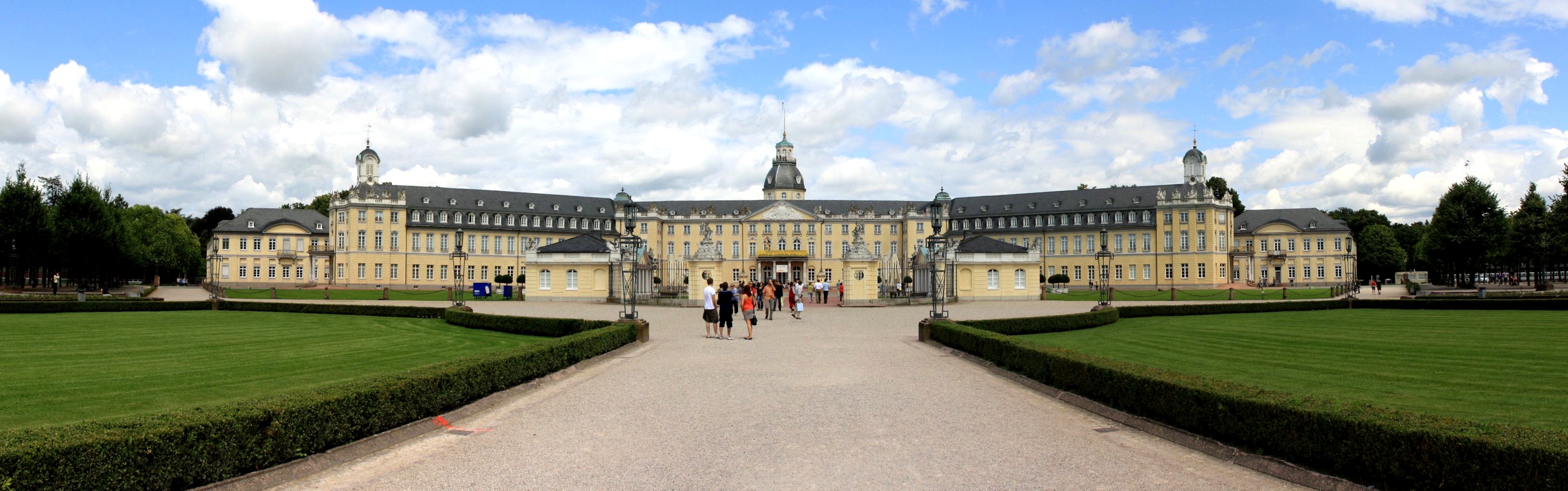
Karlsruhe - PanoramaKarlsruhe is located in the southwest of Germany, in Baden-Württemberg. The city was founded in 1715 by Charles William and is currently the seat of the two highest courts in Germany: the Federal Constitutional Court and the Federal Court of Justice. In addition to this, Germany’s largest oil refinery is found in Karlsruhe and 20% of jobs in the region are in research and development. The Karlsruhe University is the oldest technical university in Germany and home to the Karlsruhe Research Centre, where engineering and scientific research is conducted in the areas of health, earth and environmental science. Karlsruhe also hosts one of the European Institute of Innovation and Technology’s Knowledge and Innovation Communities which focus on sustainable energy.

Karlsruhe - Panorama2Top 3 Tourist Attractions:

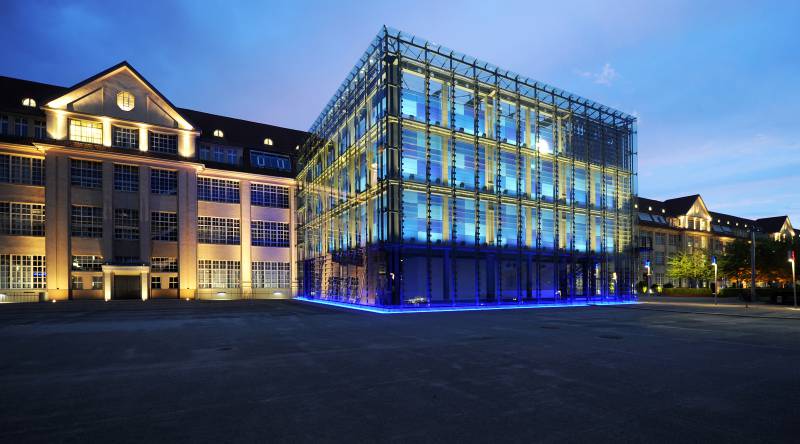
Zentrum für Kunst und Medientechnologie (Centre for Art and Media Technology) – The Centre for Art and Media Technology is a unique cultural institution – the only one of its kind in the world! It’s a house filled with traditional art, such as paintings, sculptures and photography, as well as film, media art, music, dance, theatre and performances. The museum was founded in 1989 with the mission to perpetuate classic arts in the digital age. Recent exhibits have included performances by the Little Giant Chinese Chamber Orchestra, a lecture series about evolution and a conference about the hidden beauty carried by light, information, symmetries and structures in Maxwell’s equations (equations describing the physical phenomenon of light).

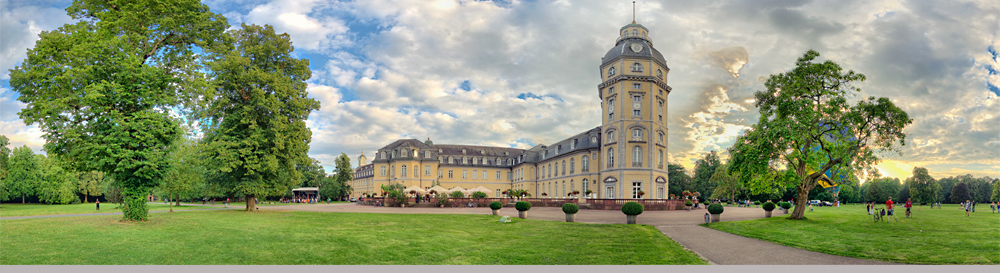
Karlsruhe - ZKMSchloss Karlsruhe (Karlsruhe Palace) – The Karlsruhe Palace was erected in 1715 by Charles III William of Baden-Durlach (yes, the same Charles William who founded the city!) and the city of Karlsruhe has since grown around it. For almost 200 years it served as the residence and seat of government of the margraves, the electoral princes and grand dukes of Baden. It has been home to the Baden State museum since 1921, one of the most active cultural history museums in Germany. The museum contains art and historical living environments from pre- and early history, ancient cultures, the Middle Ages, the baroque period and into the 21st century.

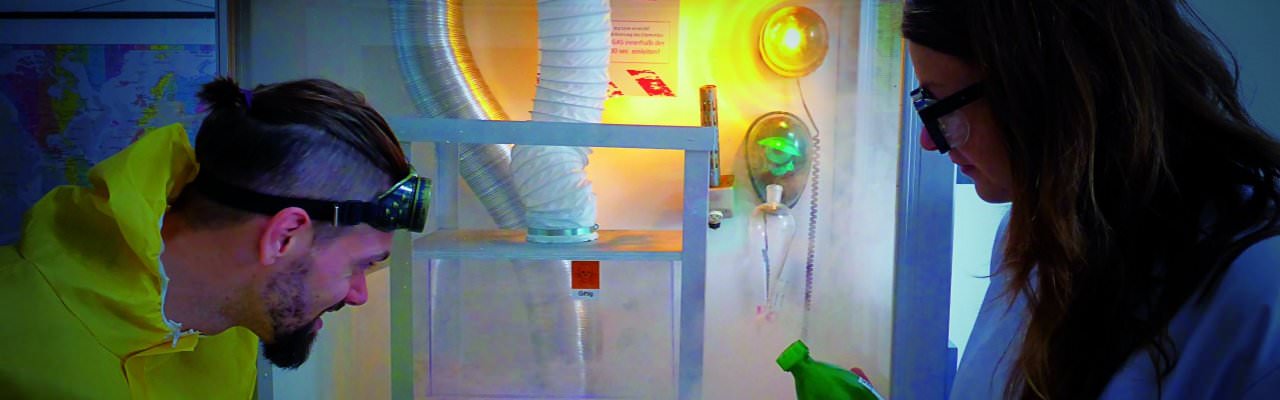
Karlsruhe - SchlossLive Escape Games Karlsruhe – Live Escape Games have become a trend around the world, but just in case anyone isn’t familiar with them, we thought we’d include it in this blog! How does it work? Simple! A group of people enter a room, generally 2-6 individuals, and they have a set amount of time, generally 60 minutes, to follow hidden clues in an attempt to find the key to exit the room before the time runs out! There’s strategy and logic involved, as well as a large amount of team work. In Karlsruhe there are currently two different scenarios available: Project Vakium (see iamge below), where a highly unstable element poses a threat to the whole inner city, and Crazy Office Room – an abandoned office by a journalist filled with crazy objects.

Karlsruhe - Live Escape GameFamous People

  • Automobile inventor Karl Benz was born in Karlsruhe
  • Karl Drais, inventor of the early bicycle, key typewriter and steno-graph was born and died in Karlsruhe
  • Heinrich Rudolf Hertz discovered electromagnetic waves at the University of Karlsruhe
  • Friedrich Hund, a physicist of the pioneering generation of quantum mechanics was born in the city
  • Hedwig Kettler founded Germany’s first girls’ high-school (Mädchengymnasium) in Karlsruhe
  • Gustav Landauer, one of the leading theorists of anarchy in Germany, was born in Karlsruhe
  • Richard Wilstätter, 1915 Nobel Prize for Chemistry winner, was born here
  • Oliver Kahn, Bayern Munich and Germany’s retired goalkeeper, was born in Karlsruhe
Categories: Uncategorized | Leave a comment

Spaghetti-Eis Rezept

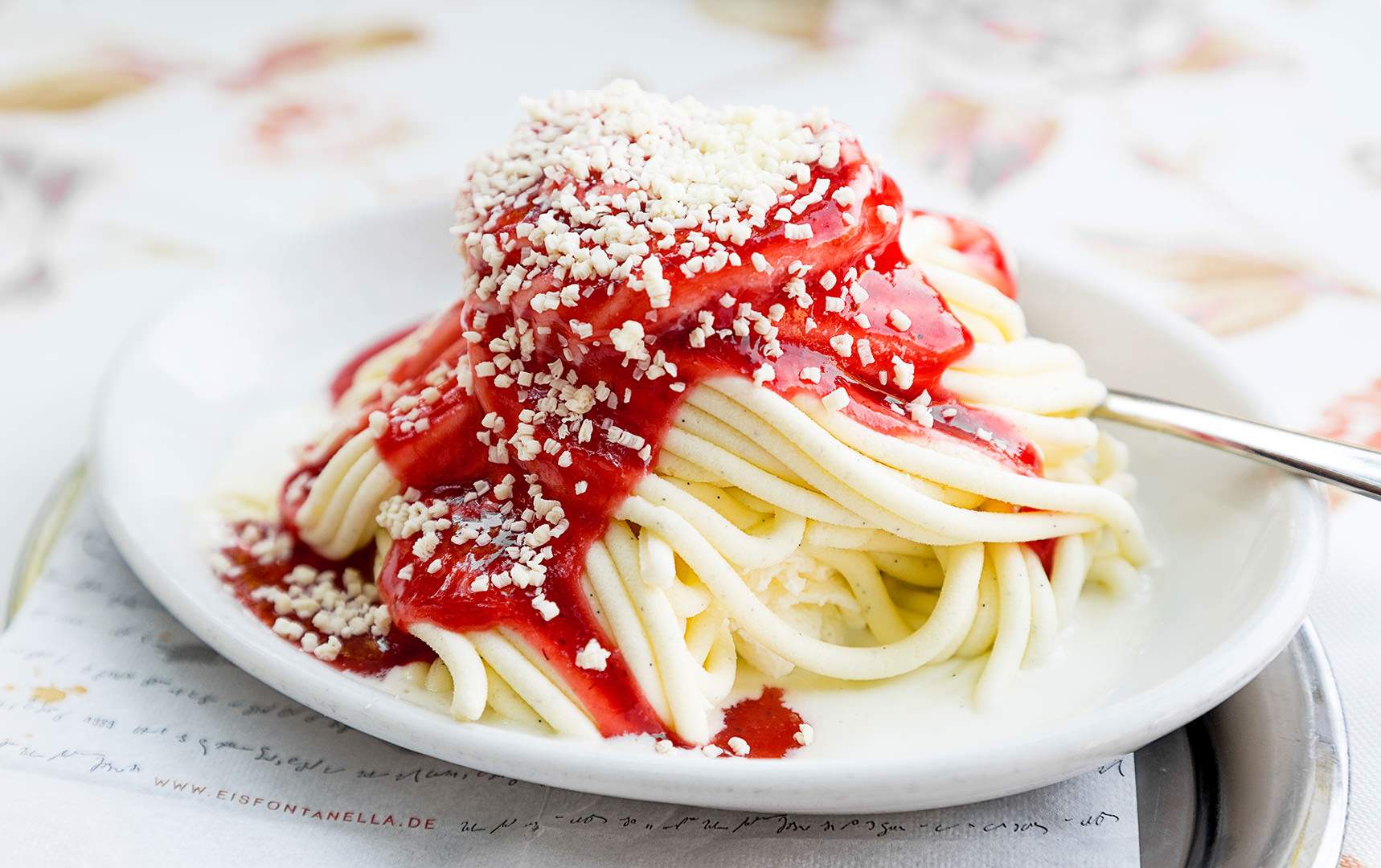
To make your very own Spaghetti Eis (because, let’s face it, vanilla ice cream will always taste better in the form of spaghetti!) you will require a potato ricer (any cheap one will do!), an electric mixer, and, if you are making your own strawberry sauce, a food processor or hand blender.

You’ll also require the following ingredients (makes 4 portions):

  • 900g of vanilla ice cream
  • 2tbsp white chocolate flakes, slivered almonds or desiccated coconut
  • 100g thickened cream
  • 200g fresh strawberries
  • 2tbsp icing sugar
  • Mint leaves (optional)

Note: strawberries and icing sugar may be replaced by store-bought strawberry sauce (although it will always taste better if the sauce is fresh!).

Spaghetti Eis2Before you start, we suggest placing 4 plates and the potato ricer into the freezer for 15-20 minutes, to ensure that the ice cream does not melt immediately. For the sauce, roughly chop up the strawberries and blend them with the icing sugar until they form a sauce-like consistency, cover up and place into the fridge.

Next, beat the cream until it forms a stiff peak. Pipe or spoon and even amount of cream onto the centre of each plate. Then, press the vanilla ice cream onto the plate, fully covering the cream. Finally, spoon an even amount of strawberry sauce on top of the ‘spaghetti’ and garnish with white chocolate flakes, slivered almonds or desiccated coconut and mint leaves (optional). Guten Appetit!

Note: some like to add finely diced strawberries into the strawberry sauce after it has been pureed to imitate tomato chunks.

Spaghetti Eis

Categories: Uncategorized | Leave a comment

City Spotlight: Mannheim

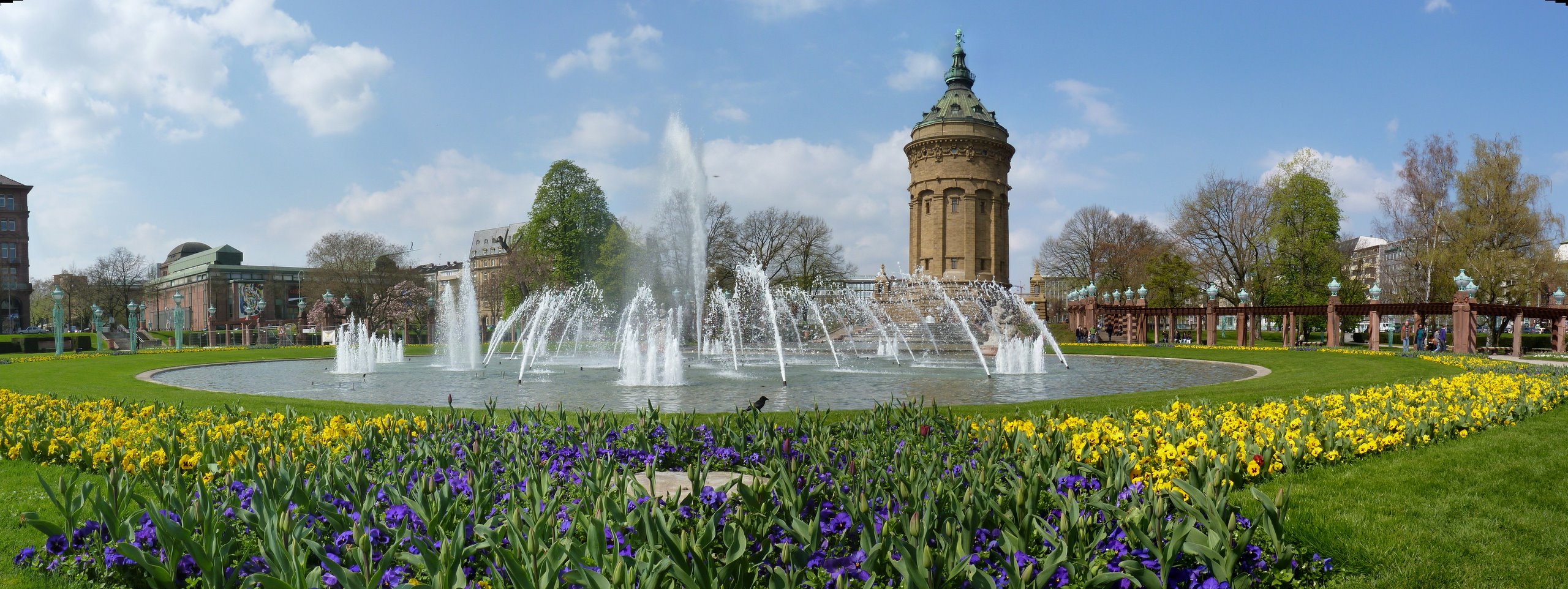
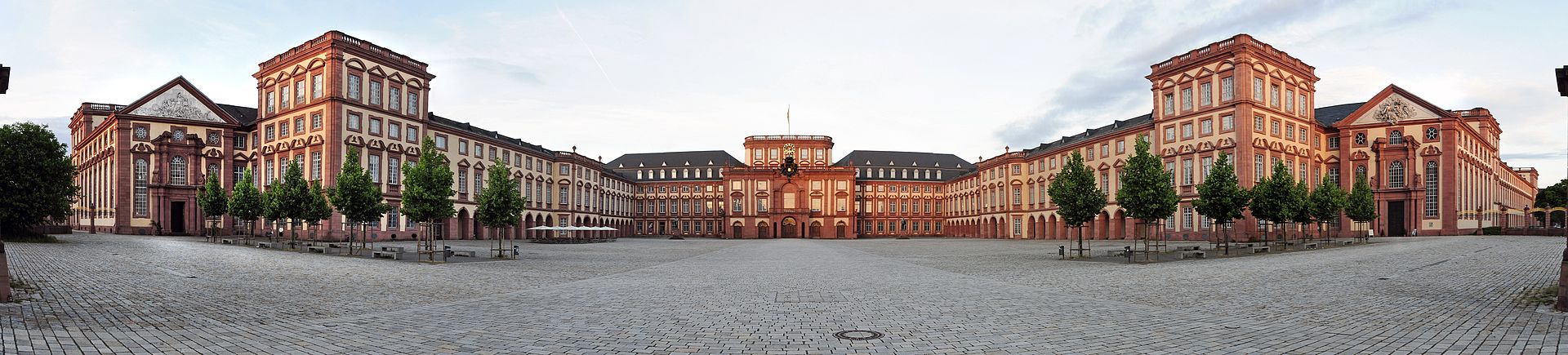
Mannheim - PanoramaMannheim is situated in the state of Baden-Württemberg and is home to almost 300,000 people. The city is located where the Neckar and Rhine converge in the northwest of the state. The city is also known as the ‘Quadratestadt’ (city of squares) as the city centre is laid out in a grid pattern. It is both a student and an industrial city, home to many large companies including Daimler, John Deere, IBM and Siemens. The Mannheim SAP Arena is the home of Germany’s ice hockey champions – the Adler Mannheim. The city has been a part of the UNESCO Creative Cities Network since 2014 and holds the title of “UNESCO City of Music.” In addition to this, Forbes magazine ranked Mannheim as the 11th most inventive city worldwide!

Mannheim - Panorama2Top 3 Tourist Attractions:

Luisenpark – The Luisenpark was built between 1892 and 1903 and was named after princess Luise Marie Elizabeth of Prussia. The park provides visitors with a variety of different activities, including a lake with Gondolettas – a tow boat ride where boats appear to be free floating, but are actually guided by an underwater rope – following a course of almost 2km. The park is also home to an open-air stage hosting a variety of concerts, musicals, operas and plays. Furthermore, the park contains a Chinese garden, complete with a Chinese tea house, all built in cooperation with Mannheim’s twin city Zhenjiang, the Klaus Tschira charitable trust in Heidelberg and the East Asia Institute Ludwigshafen. In addition to this, the park is home to a large greenhouse containing a palm house, butterfly house, bird exhibit and fresh and saltwater aquariums. Finally, towering 205 metres above the park is the city’s telecommunication tower (Fernmeldeturm), including a viewing platform and rotating restaurant at 125 metres above ground, giving visitors a view of the entire city.

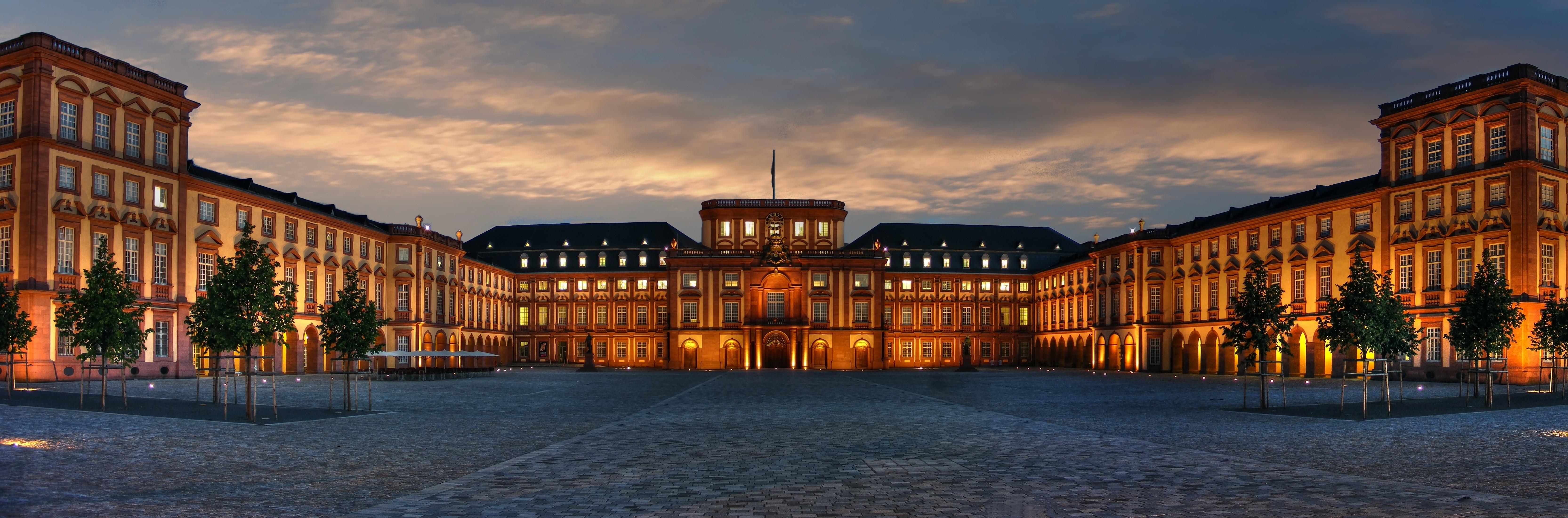
Mannheim - LuisenparkBarockschloss – The Baroque Palace in Mannheim was built in the 1700s and was originally the main residence of the electors of the Electorate of the Palatinate of the House of Wittelsbach. Nowadays it is home to the University of Mannheim – although the university has many buildings throughout the city, the palace is the central building containing most offices, libraries, cafes, the university shop and many large lecture halls and tutorial rooms. The palace offers visitors guided tours through the university, the main salon and museum. The front of the palace is often used for open-air concerts, such as the recent Xavier Naidoo & Söhne Mannheims concert, and the palace’s inner courtyard is used on a weekly basis for large student parties.

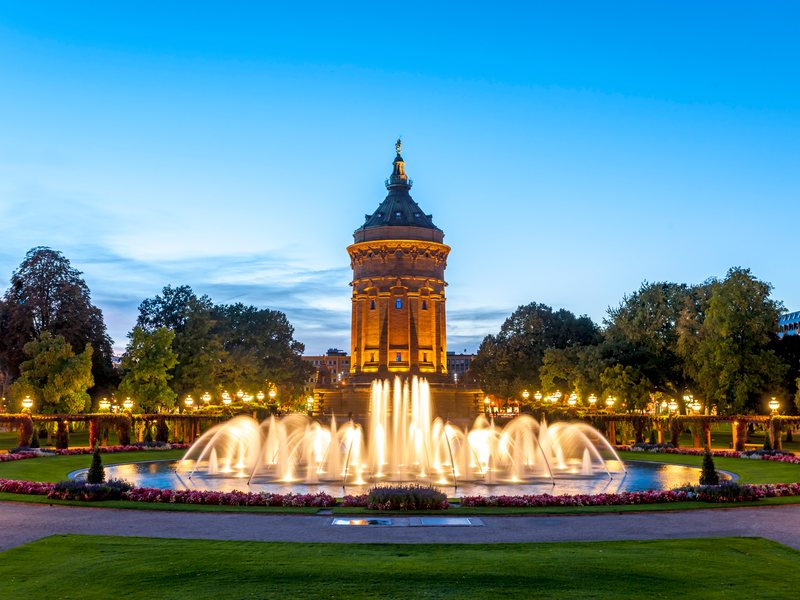
Mannheim - SchlossWasserturm (water tower) – The Mannheimer Wasserturm was completed in 1889 and, along with the Schloss, is a famous symbol of Mannheim. It stands on the Friedrichsplatz surrounded by a rose garden and is the location of Mannheim’s annual Christmas Market. Visitors can enjoy the beautiful sight and, in warmer months, sit in the gardens having a picnic. During spring and summer the flowers surrounding the water tower are in full bloom and there is a fountain which changes pattern and colour throughout the night.

Mannheim - WasserturmMannheimer Inventions

  • The world’s first bicycle invented by Karl Freiherr von Drais in 1817
  • The world’s first motorcar was built in Mannheim by Karl Benz in 1885
  • The first tractor was invented in 1921
  • The first rocket plane was built by Julius Hatry in 1929
  • Spaghetti Eis (see Wednesday’s blog for more info) was invented at Café Fontanella – this café is still there today!
Categories: Uncategorized | Leave a comment

Greetings Throughout Germany

Once you’ve arrived in Germany, you’ll find that Germans have many different ways of greeting each other.

Blog5The formal versions include:

Guten Morgen (Good Morning)

Guten Tag (Good Day)

Guten Abend (Good Evening)

Gute Nacht (Good Night)

The casual versions include:

Hallo (Hello)

Hi

Hey

Sounds simple enough… however, then you have to factor in regional differences!

Three of the most popular greetings include Servus, Grüβ Gott and Moin!

Servus is often used in the southern parts of Germany. The word itself is the Latin word for ‘servant’ and it originated as a shortened version of the phrase ‘at your service.’

Grüβ Gott (other versions include ‘Grüβ Sie’ or ‘Grüezi’) literally means ‘God greets you.’ It is an old fashioned greeting and whilst younger people rarely use the phrase, it is often used by older generations.

Moin is a greeting for the northern part of Germany and is the shortened version of the word ‘Morgen’ which is a shortened version of the phrase ‘Guten Morgen’ (similar to saying ‘morning’ in English instead of ‘Good Morning’).

Have you come across any other greetings?:)

Categories: Uncategorized | Leave a comment

City Spotlight: Bielefeld

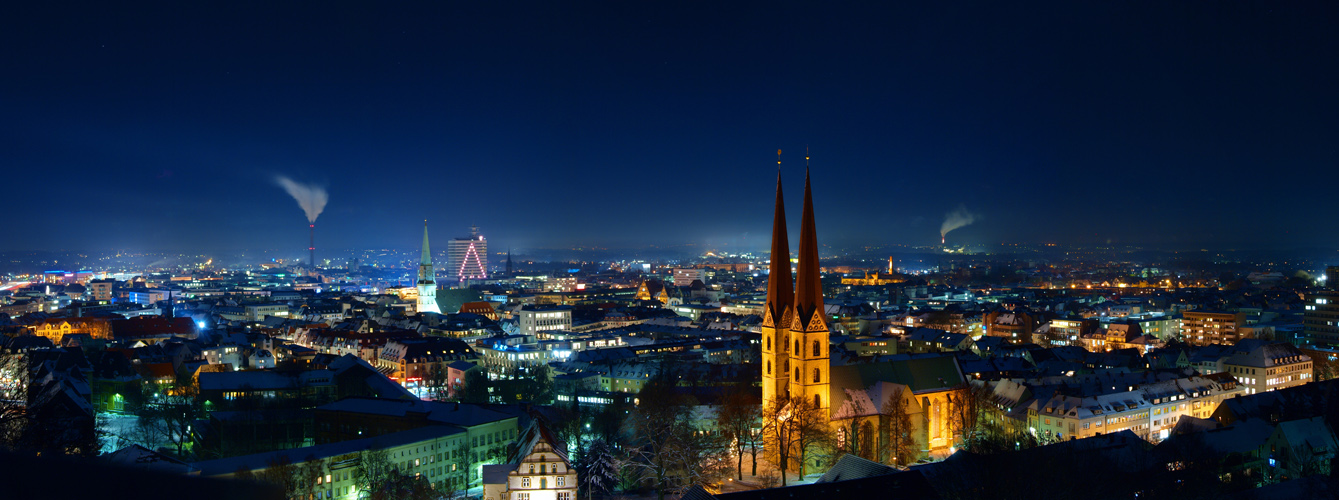
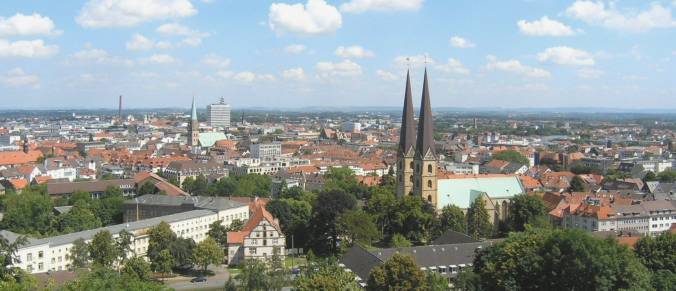
Bielefeld - PanoramaBielefeld is located in the Ostwestfalen-Lippe Region in the north-east of the state of North-Rhine Westphalia. The city has always been an industrial centre; in the 1800s it was known for its spinning mill and by the 1900s, when the first railway station was built, the city began to expand and many cultural centres were opened. It is currently home to many major companies, such as Dr. Oetker, Möller Group and Seidensticker, as well as a large university and many museums and concert halls.

Bielefeld - Panorama2Top 3 Tourist Attractions:

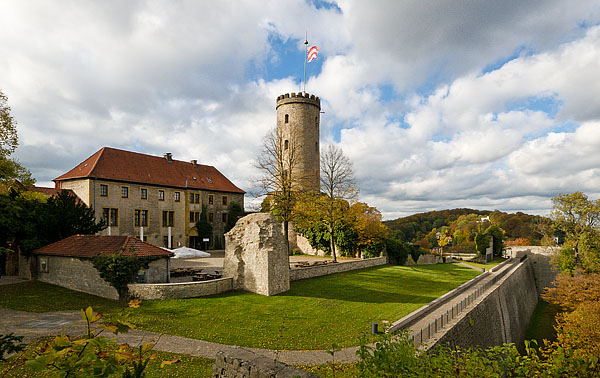
Sparrenburg (Sparrenberg Castle) – This castle is a restored fortress in the heart of Bielefeld. It was originally built sometime before 1250 and guarded the Bielefeld Pass over the Teutoburg Forest (it is guessed to have been built in 1200, although its first mention in historical records was in 1256). In addition to this, it acted as the ruling seat of the counts of Ravensberg and as protection for the city. The castle was heavily damaged in World War II, however, has been restored since and in 2014 a new visitor’s centre was opened. The castle can be visited all year-round free of charge, however, the underground parts are only available for viewing from April until October. In addition to this, the castle transforms into the backdrop for a large historical festival for three days in July, where visitors are able to enjoy a journey back into the middle ages.

Bielefeld - SparrenburgHeimat-Tierpark Olderdissen – The Heimat-Tierpark in Bielefeld is the city’s zoo – a popular destination for all visitors to the city. The zoo boasts over 90 species with more than 450 individuals and, in addition to being open all year-round, it is open 24 hours a day and is completely free! Whilst visitors are able to view many exotic species, the zoo also offers an open area with wild animals found in Germany, such as deer, where guests can even walk through the exhibit.

Bielefeld - TierparkBotanischer Garden (Botanical Garden) – The botanical garden in Bielefeld is a municipal garden located on the southeast edge of the city. The garden was originally established in 1912 on 1ha, however, by 1925 it had grown to over 2.5ha containing more than 500 plant species and by 1952 the garden boasted over 3,000 species! Today, the garden is home to over 2,500 species of plants with highlights including collections of rhododendrons (evergreens) and azaleas (flowering shrubs). Other collections include an alpine garden, a medicinal and herb garden, heather garden and a timber house dating back to 1823.

Bielefeld - Botanischer GartenBielefeld Conspiracy

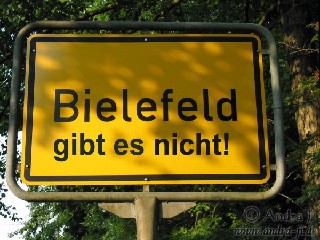
For the past 21 years there has been an ongoing German joke in the internet claiming that the city of Bielefeld doesn’t exist. This makes it one of the longest living pranks on the internet! In May 1994 a rumour was released simply stating that the city doesn’t exist.

It was phrased as:

  • Do you know anyone from Bielefeld?
  • Have you ever been to Bielefeld?
  • Do you know anyone who has ever been to Bielefeld?

If the answer to all three questions was ‘no’ then it was claimed that the theory was true. If the answer to the third question was a ‘yes’ it was claimed that the person was a part of the conspiracy.

Whilst no one is entirely sure how this theory started, the city started a campaign in 1999 claiming that ‘Bielefeld gibt es doch!’ (‘Bielefeld does exist’), however, the city is still most famously known for not existing.

Bielefeld - Conspiracy

Categories: Uncategorized | Leave a comment

How to Germanise Yourself

Germanise - HausschuheStep 1: Put on your Hausschuhe (house shoes/ slippers)

Purchase a pair of Hausschuhe and wear them around your house. When you go to bed, they should be placed next to your bed, where you can slip them on first thing in the morning, and when you leave the house they should be placed next to the front door so you can change into them as soon as you get back home.

Step 2: Respect the Ampelmann (traffic lights)Germanise - Ampelmann

Regardless of whether it is the middle of the day and the streets are full of people and cars, or whether it is 2am and there is no car in sight, you must not cross the road until you are given the green light, otherwise the guardians of the traffic lights will come and get you (well, not really, but it is highly frowned upon and people will give you filthy looks if you do jay walk!).

Germanise - VersicherungStep 3: Get versichert (insured)

Are you alive? Get health insurance. Have a house? Insure it. Buy a new car? Insure it…. This all seems pretty standard, but do you have your explosion insurance? Volcano insurance? Have you insured your bike? What about your favourite chair? Make sure you spend a large amount of your income after tax on insurance. Whatever you have, insure it, just to be safe!

Step 4: Love and respect the Natur (nature)Germanise - Natur

Nature is important in so many ways and Germans have definitely accepted and embraced this. Make sure you go hiking as often as possible – it’s not only good for your health, but also good for your soul. In fact, whenever you have time, don’t waste it watching Netflix or playing video games, instead, go outside. In addition to this, make sure you only buy Bio products (organic), ensure that you never litter. Ever. No really, never ever litter. Which brings us to our next step…

Germanise - RecycleStep 5: Recycle, recycle, recycle.

In Germany the waste disposal system is a little more complex than one bin for recycling and one bin for general waste (and a compost heap in the backyard, if you’re lucky). There’s a paper bin, yellow bin (for recycling empty tins and plastic packaging), brown bin (for organic waste) and black bin (for any residual waste). Batteries must be collected and disposed of separately and recycling bins for glass can be found in every village and city (of course the glass must be further separated into brown glass, green glass and white/ clear glass). Ensure that you recycle everything properly – if you move into a new house your neighbours will most likely check out your trash cans to make sure that you recycle accordingly before they decide whether to welcome you or not (ok… we may have made this last bit up, but you get the point – we love our recycling!).

Step 6: Pfand!Germanise - Pfand

Pfand is a fantastic thing! You generally pay a few cents more per plastic or glass bottle when you go shopping, you then collect these bottles in a reusable bag and once the bag is full you return them to the store. When you return them you have the choice of receiving the Pfand back as a store voucher (i.e. you save that amount on your next grocery shop) or you can choose to donate it to charity.

Step 7: Get to the Punkt (point)

Germans are not big on small talk. If you go to the grocery store the cashiers will be friendly and greet you, but don’t expect them to ask how you are, that’s private and even if they did ask, you’d probably just reply ‘fine’ anyway. If you need a favour from a colleague just ask them. Don’t spend 10 minutes asking them about the weather. Be polite, but if you need help or have a question, just come right out and ask.

Step 8: Make it a SchorleGermanise - Schorle

Germans love everything carbonated. Why drink plain tap water when you can drink sparkling mineral water? Why drink apple juice, when you can drink an Apfelschorle (apple juice and carbonated water)? Why drink flavoured flat water, when you can make it a flavoured Schorle? If you’re not into carbonated drinks you may have a problem…. (just kidding, there are plenty of non-sparkling options!).

Germanise - BroetchenStep 9: Get your Brötchen

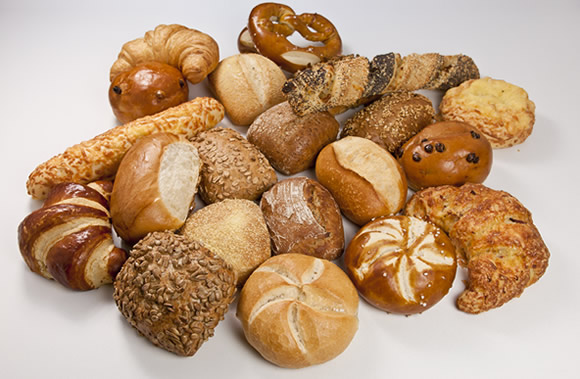
Why sleep in on Sunday morning when you could get to the bakery super early and make sure that you get your favourite bread rolls? Even if you want to sleep in, many bakeries are open until midday or later on Sundays (remember that all other shops are closed on a Sunday – i.e. do your grocery shopping on Saturday!). If there is one thing Germans love more than their Schorle, it’s their Brot and Brötchen and with thousands of types of breads and bread rolls in the country there is something for everyone!

Categories: Uncategorized | Leave a comment

City Spotlight: Bonn

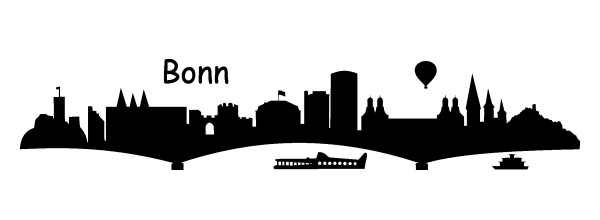
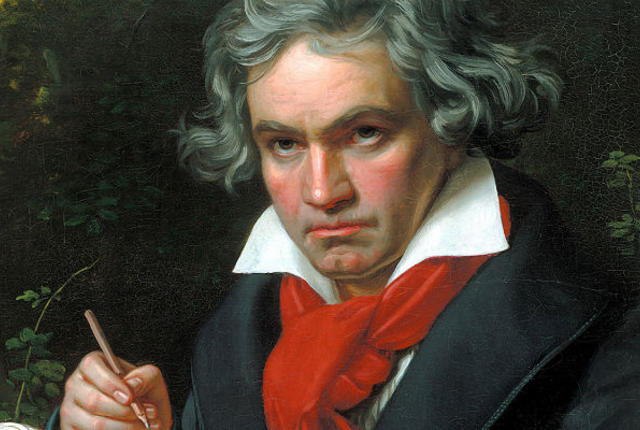
Bonn - Panorama1Bonn is one of North Rhine-Westphalia’s largest cities with around 311,000 inhabitants. The city’s history dates back to Roman times; approximately 11BC the Roman army stationed a small unit in the area which is currently the historical centre of the city. In 1949 Bonn became the de facto capital of the newly formed Federal Republic of Germany for 41 years until the reunification in 1990 which saw Berlin become the capital city of Germany again. Whilst most of the departments have moved back to Berlin, 8,000 of the 18,000 federal officials have remained in Bonn. Bonn is the second official seat to the President and Chancellor of Germany, as well as the Bundesrat (Federal Council). Two of Germany’s largest companies, Deutsche Post DHL and Deutsche Telekom currently have their headquarters in Bonn. The city is also home to 19 United Nations Institutions and the University of Bonn. It is also famously known as the birthplace of Ludwig van Beethoven.

Bonn - PanoramaGerman National Museum of Contemporary History – This museum focuses on German history from 1945 onwards. It takes visitors on a journey through the post-World War II era and the events leading up to the division of Germany into the Federal Republic of Germany and the German Democratic Republic. The museum offers its visitors free Audio guides in a variety of languages, however, the majority of the exhibits are in German. Museum visitors rave about the museum saying “This is a superb museum, which rivals any historical museum in the world” and “This museum… was by far the best museum I have ever been to.” [Reviews are excerpts from TripAdvisor]

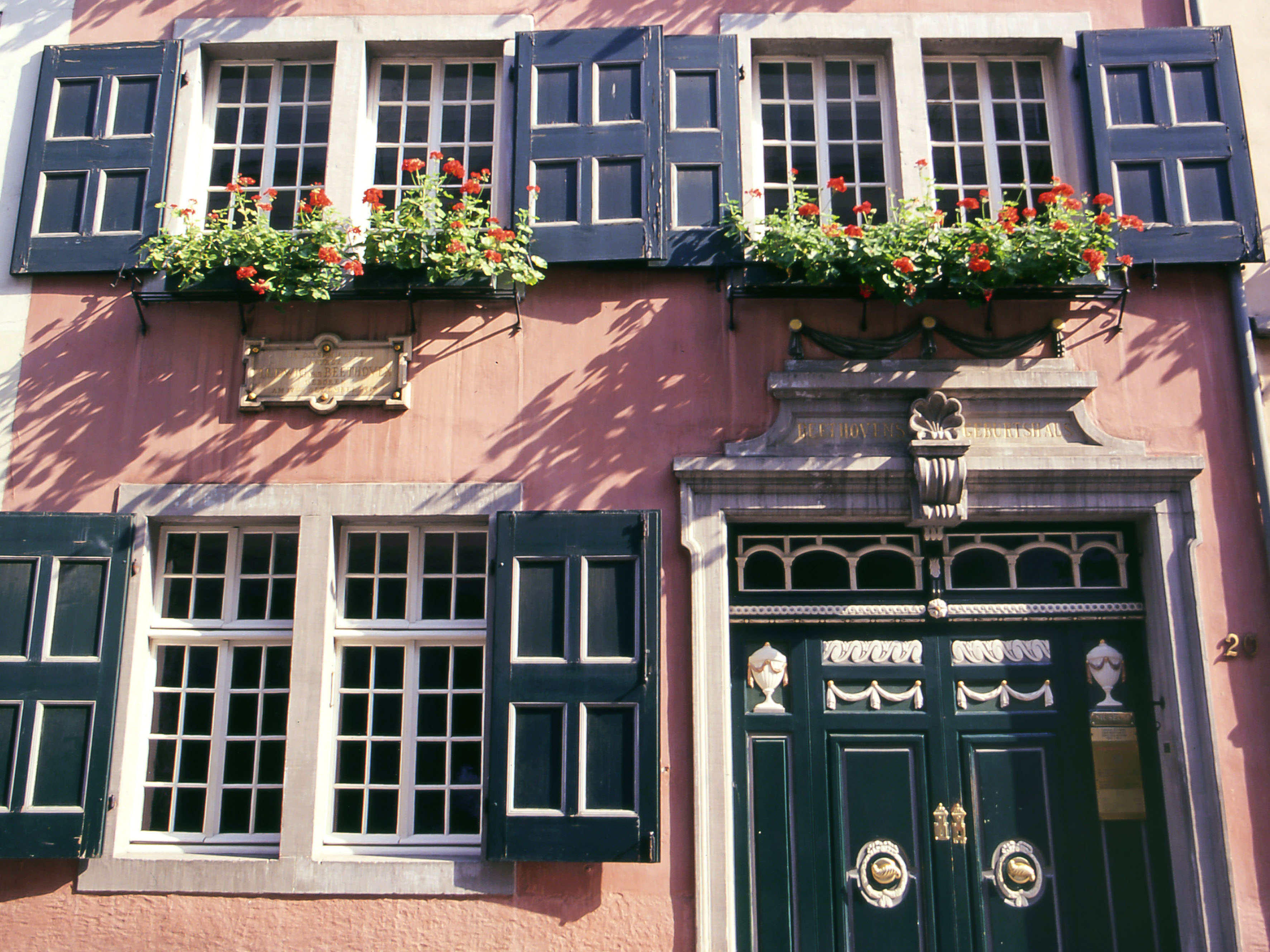
Bonn - German National Museum of Contemporary HistoryBeethoven Haus – The Beethoven House, established in 1889, is the birthplace of Ludwig van Beethoven and has been turned into a museum. The permanent exhibition takes visitors back to Beethoven’s time. It is made up of twelve rooms which offer a deeper insight into Beethoven’s thoughts and emotions and their influence on his works. The exhibit also contains more than 150 original documents from Beethoven’s time in Bonn and Vienna. The museum is one of Bonn’s most famous landmarks, along with the Beethoven Monument, a large bronze statue, found on the Münsterplatz in the heart of the city.

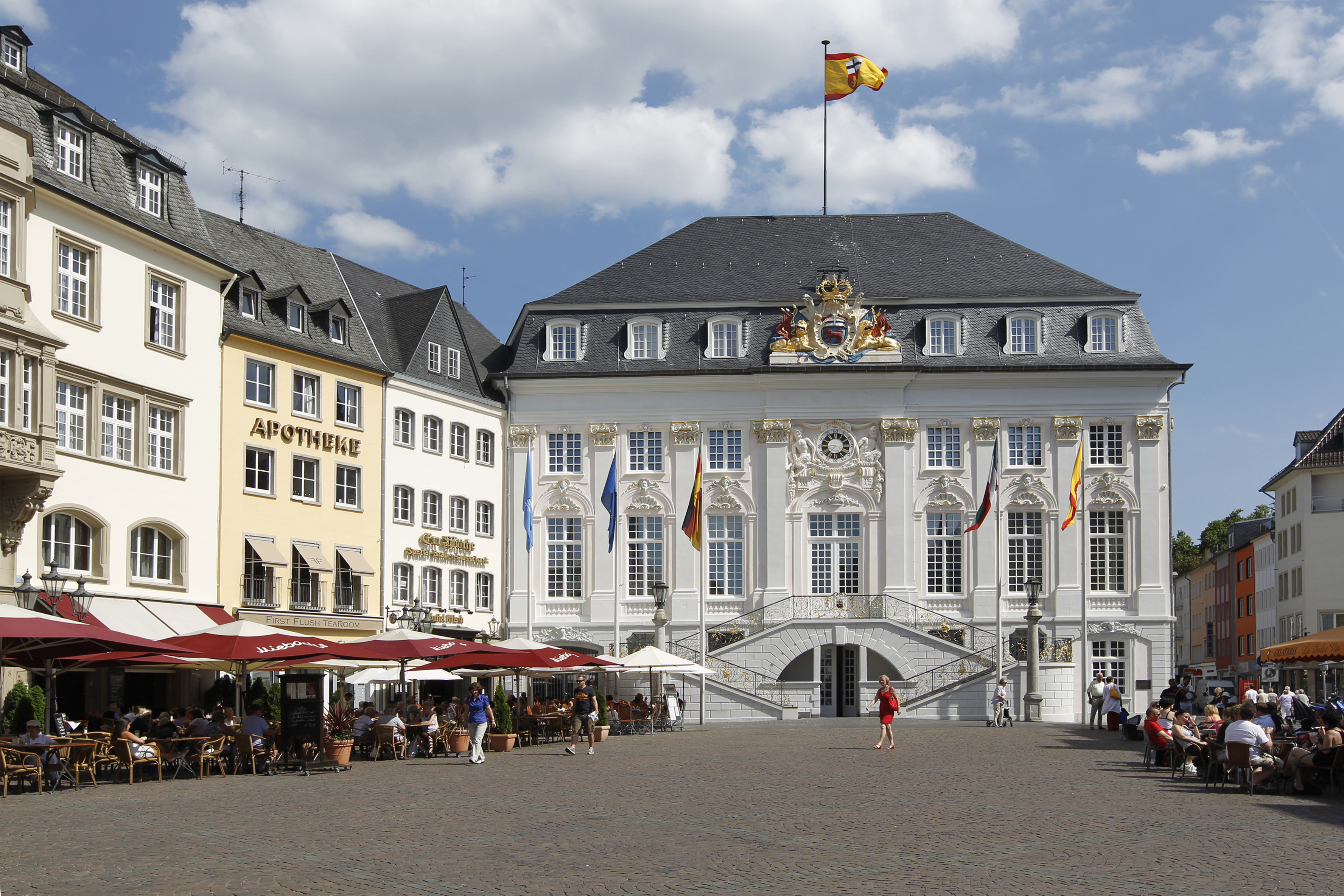
BeethovenhausAltes Rathaus (Old Town Hall) – Bonn’s Old Town Hall is situated in the marketplace. The foundation stone of the building was placed by Clemens August, Cologne’s elector and archbishop from 1723 to 1761, in April 1737. After an airstrike in 1944 only the outer walls of the building remained and it was rebuilt in 1949. Over time the building has been visited by many notable people, such as Bill and Hillary Clinton, Nelson Mandela and even Mother Theresa.

Bonn - Old Town Hall

Beethoven Fun Facts:

  • Beethoven would end performances if he heard anyone in the audience talking
  • He often dipped his head into a bucket of cold water before composing
  • Beethoven was born in 1770, but no one knows the exact date (he was baptised on the 17th of December)
  • After moving to Vienna, Beethoven took lessons from Joseph Haydn, father of the symphony!
  • Beethoven suffered from a variety of illnesses throughout his life, including deafness, colitis, rheumatic fever, typhus, skin disorders, chronic hepatitis and cirrhosis of the liver
  • He hated giving piano lessons unless his student was exceptionally talented or an attractive young woman
  • Beethoven’s father lied about his son’s age (claiming Beethoven was born in 1772) to make him appear more advanced for his age
  • His father would also discourage his compositions at a young age, claiming that if he did not follow the sheet music given to him he’d never amount to anything… how very wrong he was!

Bonn - Beethoven

Categories: Uncategorized | Leave a comment

City Spotlight: Wuppertal

Wuppertal - PanoramaWuppertal is located in North Rhine-Westphalia and is Germany’s seventeenth largest city. With approximately 350,000 residents it is the largest city in the ‘Bergisches Land’ (literally meaning mountain land) – a low mountain region. The city is well known for its woodlands and park; two thirds of the total municipal area of Wuppertal is green space! Wuppertal is also a major industrial centre known for its textile, chemical, pharmaceutical, electronic, automobile, rubber and printing equipment production. Wuppertal, as it is known today, has only been established since 1929 when the industrial cities and towns of Barmen, Elberfeld, Vohwinkel, Ronsdorf, Cronenberg, Langerfeld and Beyenburg combined to form Wuppertal.

Wuppertal - Panorama2

Top 3 Tourist Attractions:

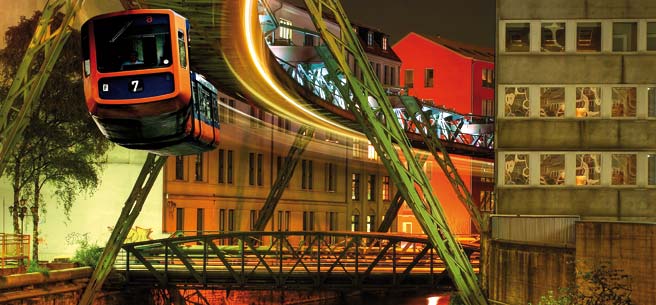
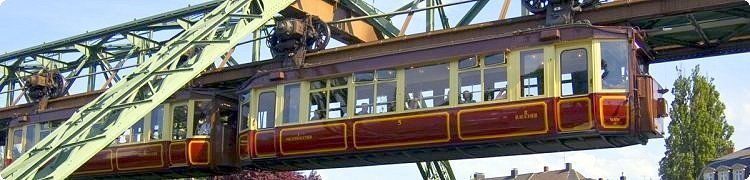
Wuppertaler Schwebebahn (suspension railway) – The suspension railway in Wuppertal is the oldest electric elevated railway with hanging cars in the entire world. The first track was opened in 1901 and was originally designed to sell to the city of Berlin. The railway is made up of cars which are suspended from a single railway built underneath a supporting steel frame. Nowadays the suspension railway carries up to 82,000 passengers every day. The railway is also home to the Kaiserwagen (Emperor’s car), the car originally used by Emperor Wilhelm II during a test ride in October 1900; this car is still used for special events and charter events.

Wuppertal - SchwebebahnHistorische Stadthalle Wuppertal (historic town hall) – The historic town hall in Wuppertal was completed in 1900 and stands on a green hill overlooking the city. The town hall caters for many events and its historical charm has now been combined with the latest technology. It is also home to ‘The Great Hall’ – one of Europe’s best acoustic concert halls. It has been referred to as a ‘magical place for music’ and the famous Vienna Philharmonic felt right ‘at home’ here.

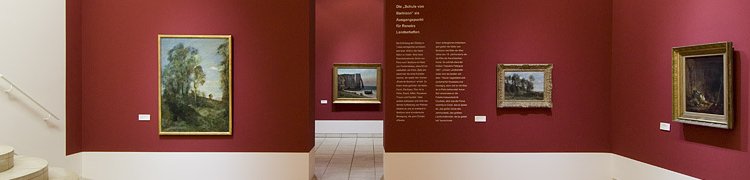
Wuppertal - StadthalleVon der Heydt Museum – The Von der Heydt Museum in Wuppertal is home to works by artists from the 17th century until the present time. The museum was originally the town hall of Elberfeld, which was converted into a municipal museum in 1902, named after the Von der Heydt family. Notable artists include Umberto Boccioni, Caspar Netscher and Paul Cézanne. In addition to its permanent exhibitions, the museum rotates through many other exhibits per year.

Wuppertal - Von der Heydt Museum

Did you know…

The Bayer AG, a German multinational chemical and pharmaceutical company, was founded in Barmen, which is now Wuppertal. The company’s first and best known product was aspirin, followed by many other inventions, such as the first antibiotic and birth control pill. Top-selling products from 2014 included Trasylol, a trypsin inhibitor to control bleeding during major surgery, Nexavar, a kinase inhibitor used to treat liver cancer, kidney cancer and some types of thyroid cancer, and Kogenate, used to clot blood in haemophiliacs with type A haemophilia.

Wuppertal - Bayer AG

Categories: Uncategorized | Leave a comment

Create a free website or blog at WordPress.com.