Uncategorized

Oktoberfest Brisbane 2014 Fun Facts

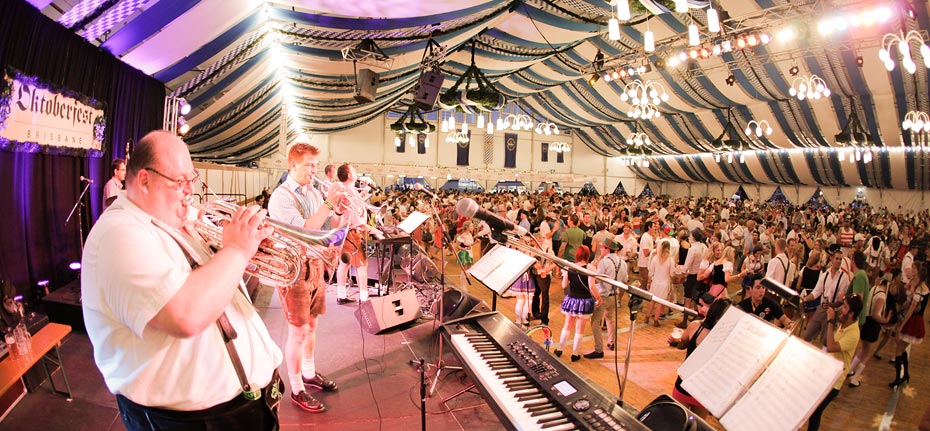
The Oktoberfest Brisbane is now the largest and most authentic German festival in Australia – something we’re extremely proud of! There’s nothing we enjoy more than sharing our love for German culture with Brisbane locals and visitors! Here are just a few fun facts about our festival in 2014.

Blog 2 OFB

155,632 dollars raised for Brisbane charity, Youngcare, since 2008

37,000 visitors ‘embraced their inner German’ at the 2014 Oktoberfest Brisbane

25,794 sausages savoured

13,976 Facebook friends

13,500 pretzels eaten (including 3,500 giant pretzels)

3,760 pork knuckles devoured

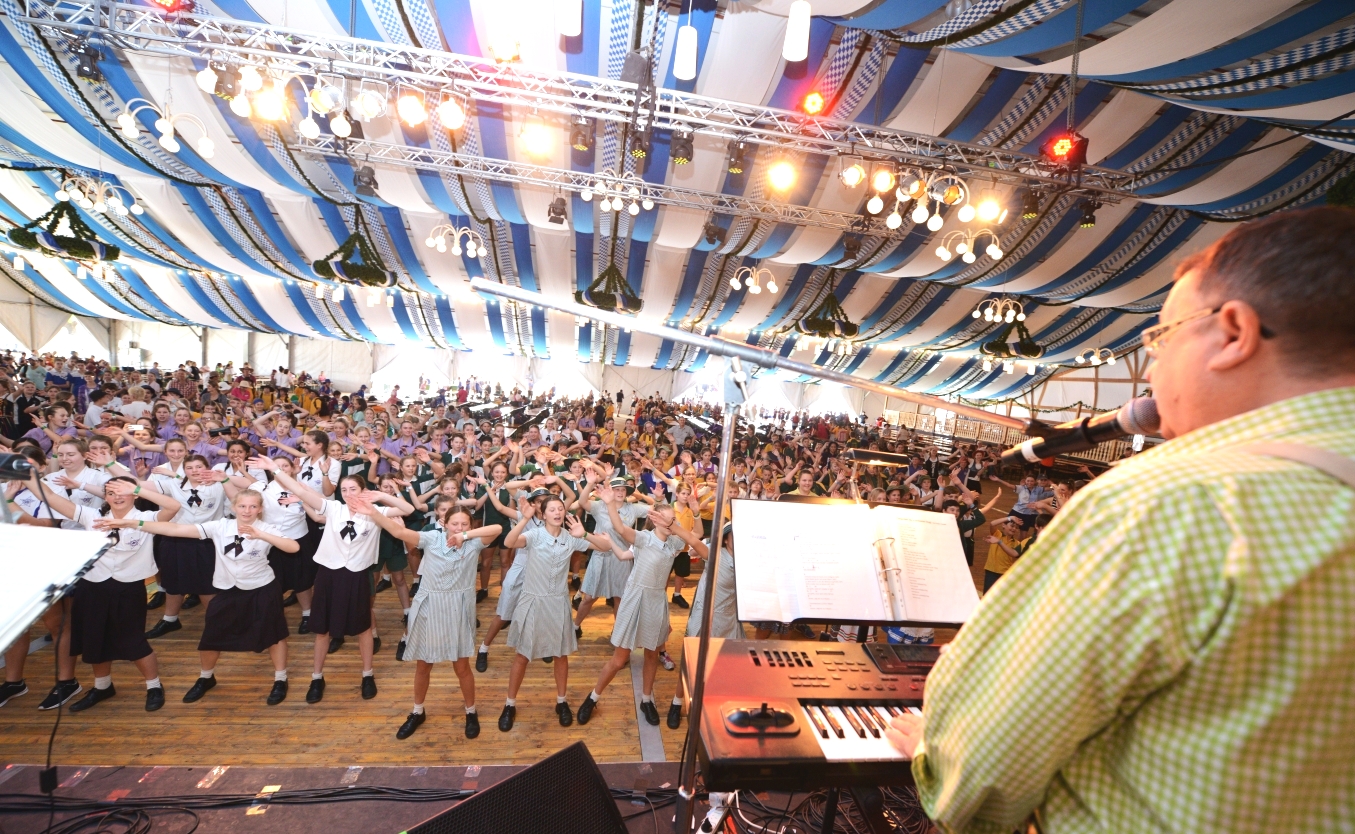
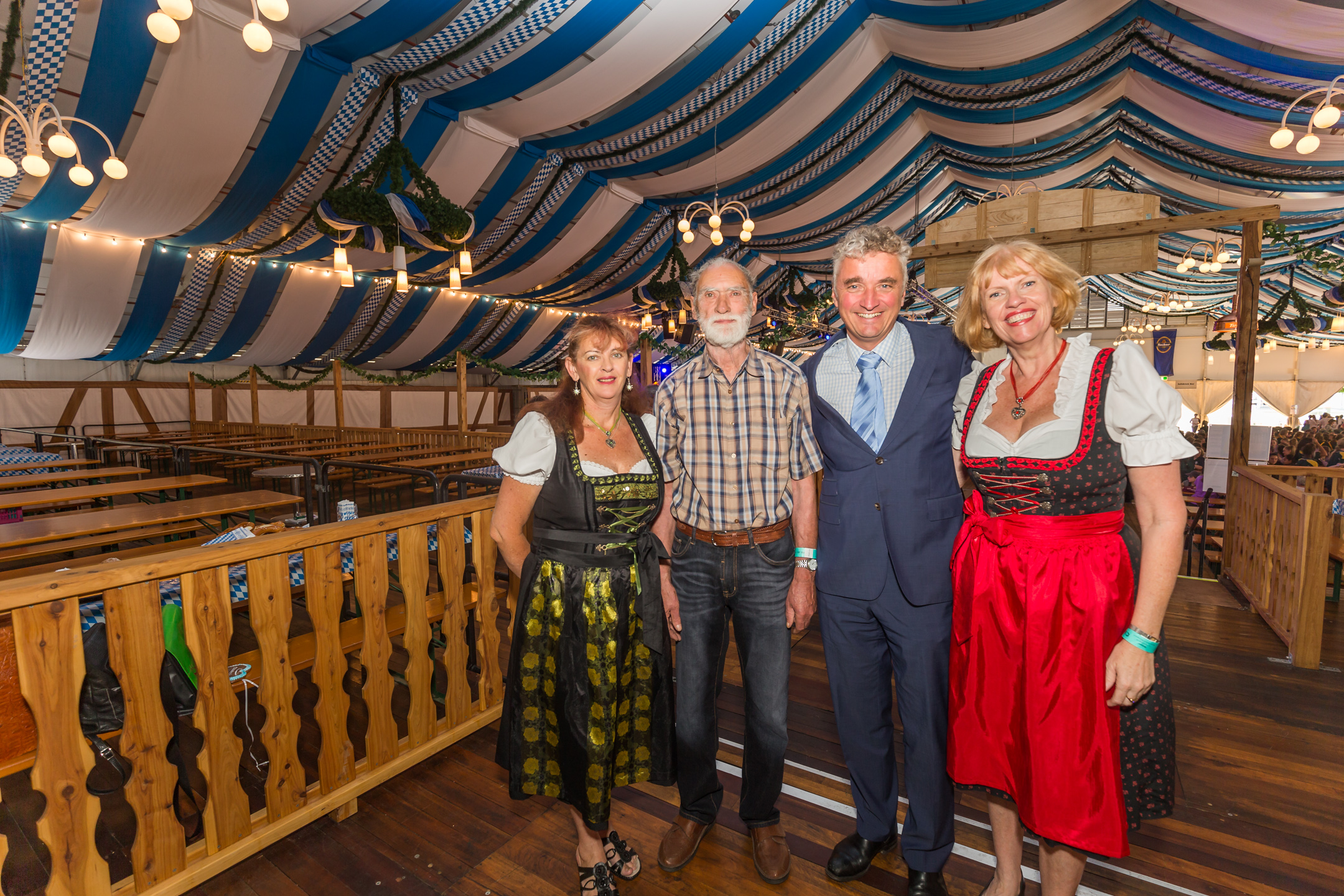
3,222 metres of Bavarian white/blue ceiling bunting used to decorate the Oktoberfest Tent

2,500 schnitzel burgers sizzled and munched

2,195 school students and teachers at the Oktoberfest for teens

490 table & bench sets – exactly the same ones at Munich’s Oktoberfest

395 years combined age of the classic Porsches & Mercedes at the Autofest show

204 years since the first Oktoberfest in Munich

143 years the six Oktoberfest Band members have played folk music in Germany (how many years is that per band member? You do the math!)

7 years of Oktoberfest Brisbane

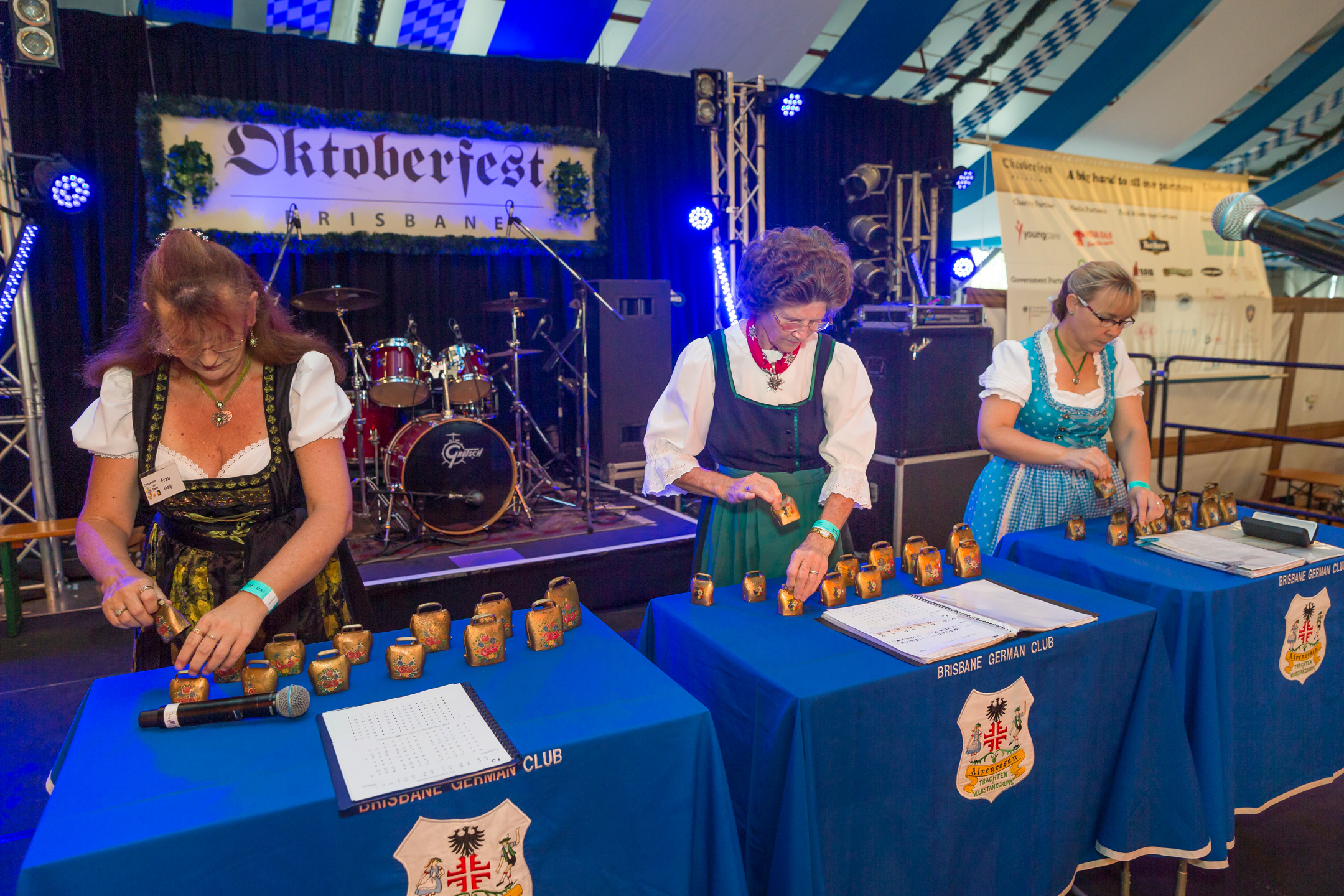
6 years old was the youngest Alpenrosen dancer

2 German-Australian families organise Oktoberfest Brisbane

1st place as Australia’s largest Oktoberfest & largest German festival

Categories: Uncategorized | 3 Comments

City Spotlight: Munich

We all know that Munich is home to the Oktoberfest, but the city has so much more to offer throughout the year…
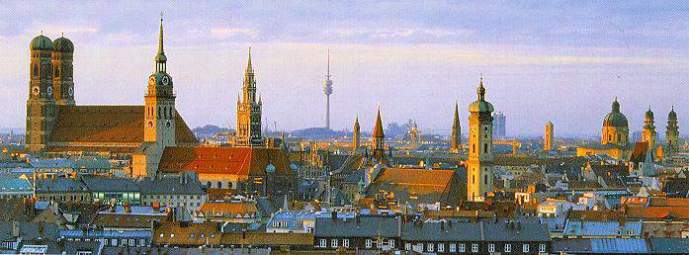
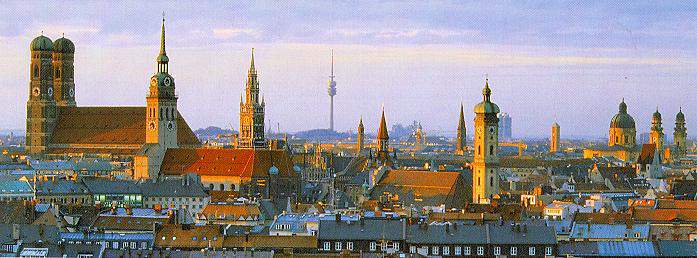
Munich - PanoramaMunich is the capital of Germany’s largest state, Bavaria, and with a population of almost 1.5 million people it is Germany’s third largest city. The city’s name derives from the old German term ‘Munichen’, which means ‘by the monks’. The city’s first records date back to 1158, which is assumed to be its foundation date and was officially granted city status in 1175. Nowadays Munich is home to many major universities, museums and theatres, as well as many international sporting events, exhibitions, conferences and, of course, the Oktoberfest. In 2006 the city changed its motto to “München mag dich” which means “Munich likes you”. The city was ranked fourth in the world by the Mercer Quality of Living Survey, as well as ranking 15th in the world for economic and social innovation, thus, it is no surprise that it is one of Germany’s fastest growing cities.
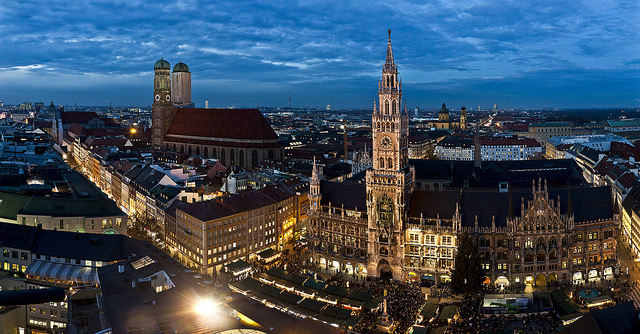
Munich - By nightTop 3 Tourist Attractions:

Englischer Garten – The English garden is a large public garden in the heart of Munich. With an area of 3.7km2, it is one of the world’s largest urban public parks, larger than New York’s famous Central Park. The park has many sights and attractions available throughout the year. The Japanese teahouse and Japanese garden were added into the park in 1972 to celebrate the Summer Olympics that year which were held in Munich. The Schönfeldwiese (Schönfeld’s meadow) is a large open space where nude sunbathing has been permitted since the 1960s. There is also an artificial stream flowing through the garden on which people can go surfing (yes, you read that right – surfing in the middle of a large city!). There are many other temples and towers found throughout the garden, such as the Chinese Tower. There is also a large lake, the Kleinhesseloher See, a Hall to honour the garden’s founder and even a grazing area for sheep. With so much to do, it is easy to spend an entire day in the park, just remember to bring plenty of food, water and sunscreen (if you’re lucky enough to catch a day of sunshine in Germany!).

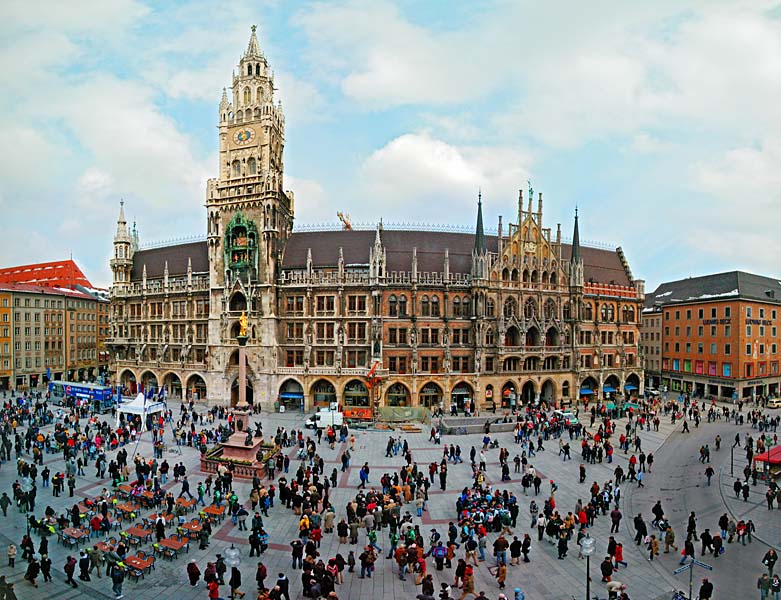
Munich - English GardenMarienplatz – The Marienplatz, or Mary’s Square, is the central square in Munich and has been since 1158. In the centre of the square stands a Mariensäule (Marian column) erected in 1638 to celebrate the end of Swedish occupation and is topped by a golden statue of the Virgin Mary. During the middle ages, the city’s square hosted many markets and tournaments. Nowadays it is dominated by the New City Hall. The Glockenspiel in the new city tower was inspired by these medieval tournaments and attracts millions of tourists each year. The Old City Hall is located on the East of the city square. The surrounding area of the city square is a crowded area filled with shops, cafes and restaurants. The Marienplatz S-Bahn and U-Bahn station, a very important transportation hub, is located below the city’s square. One tip from us – if you’re visiting Munich in summer, take the time to sit in one of the many cafes in the Marienplatz and enjoy a wonderful ice cream creation.
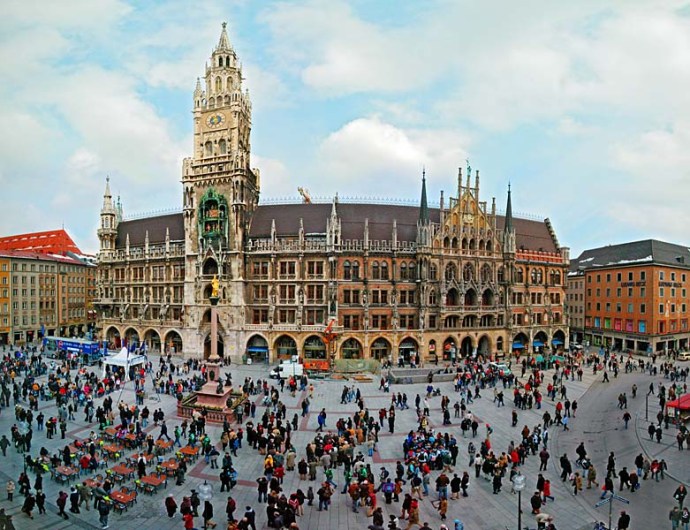
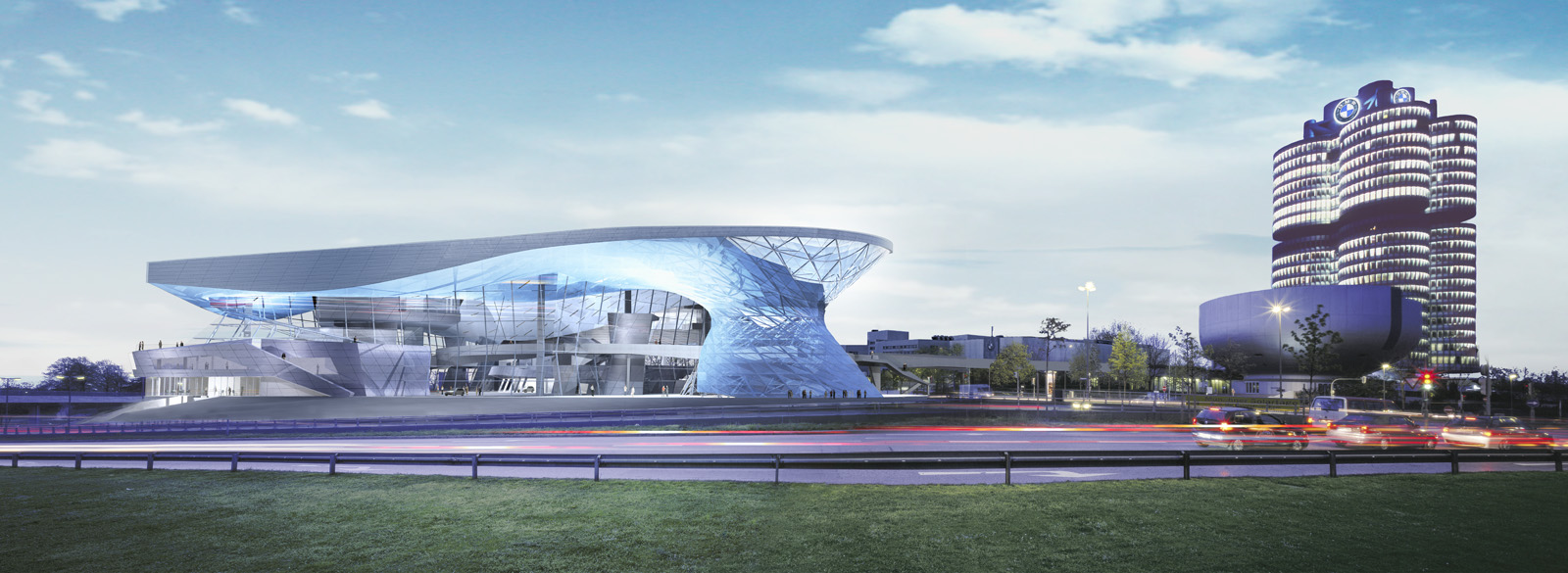
Munich - MarienplatzBMW Museum – The BMW museum, as the name suggests, is a large automobile museum in Munich which shows the history of automobile manufacturer BMW. The museum shows the technical development from engines to aircrafts, cars and motorcycles. The museum’s information is available in both English and German as it takes visitors through the past, present and future of the BMW brand. It was founded in 1973 as one of the first ever brand museum and was redesigned and expanded in 2008.

Munich - BMW Museum & Welt

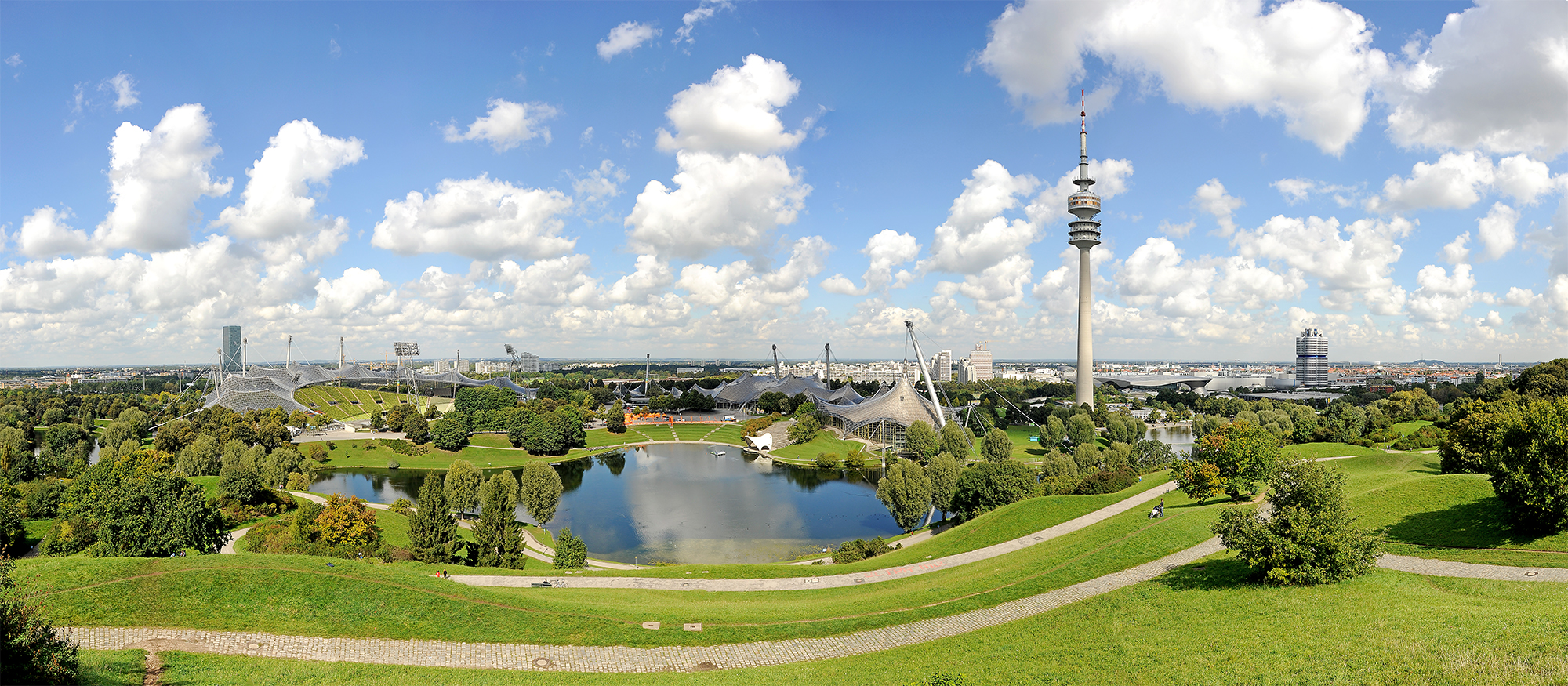
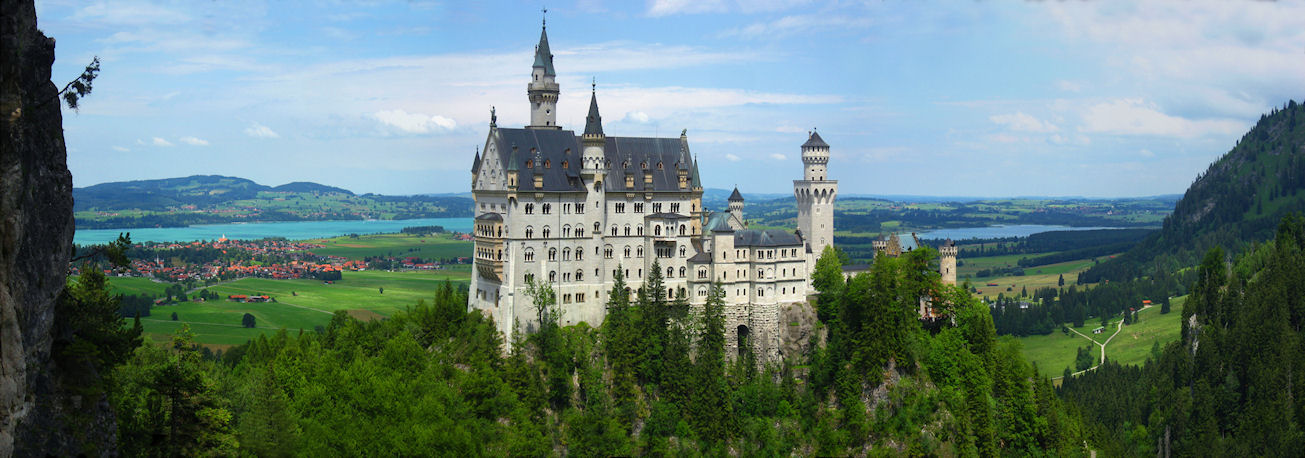
Whilst these are some of Munich’s top attractions, there is so much more to see including the Frauenkirche and Asamkirche, the Deutsches Museum, Tierpark Hellabrunn, Schloss Nymphenburg, the Viktualienmarkt, the Munich Botanical Garden, the Starnberger See, Olympiapark and a day trip to Schwangau to visit Schloss Neuschwanstein (the inspiration for Disney’s Cinderella Castle).


Fun Facts:

  • Munich is home to the Bavarian Film Studios which are the biggest and most famous film production studios in Europe
  • Munich has the lowest unemployment rate of any German city
  • The Deutsches Museum is the world’s largest science and technology museum with more than 50 exhibition areas and 1.5 million visitors per year
  • Munich is home to 61 theatres, 36 museums and 4 symphony orchestras
  • The most expensive retail space in Germany is located on Munich’s Kaufingerstrasse
  • Munich is known as the second largest publishing centre worldwide with approximately 250 publishing houses in the city
  • The Weisswurst (white sausage) is a Munich specialty served with sweet mustard and freshly baked pretzels
  • There are over 60 beer gardens in Munich
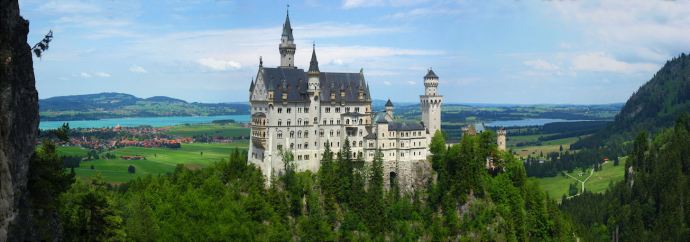
Munich - Neuschwanstein
Categories: Uncategorized | Leave a comment

Top 4 Reasons to Learn German

Blog 1So you’re learning Deutsch? That’s awesome! Learning languages should be a fun experience, but there are some additional benefits to learning this fantastic language.

German is spelled phonetically

Aside from a few exceptions (because there always has to be SOME kind of exception to the rule!), German is pronounced the way it is spelled and spelled the way it is pronounced. Once you know how to pronounce letters and letter combinations, you’ll be able to read just about anything – so even if you have no idea what you’re actually saying, at least you’ll be saying it correctly! 🙂


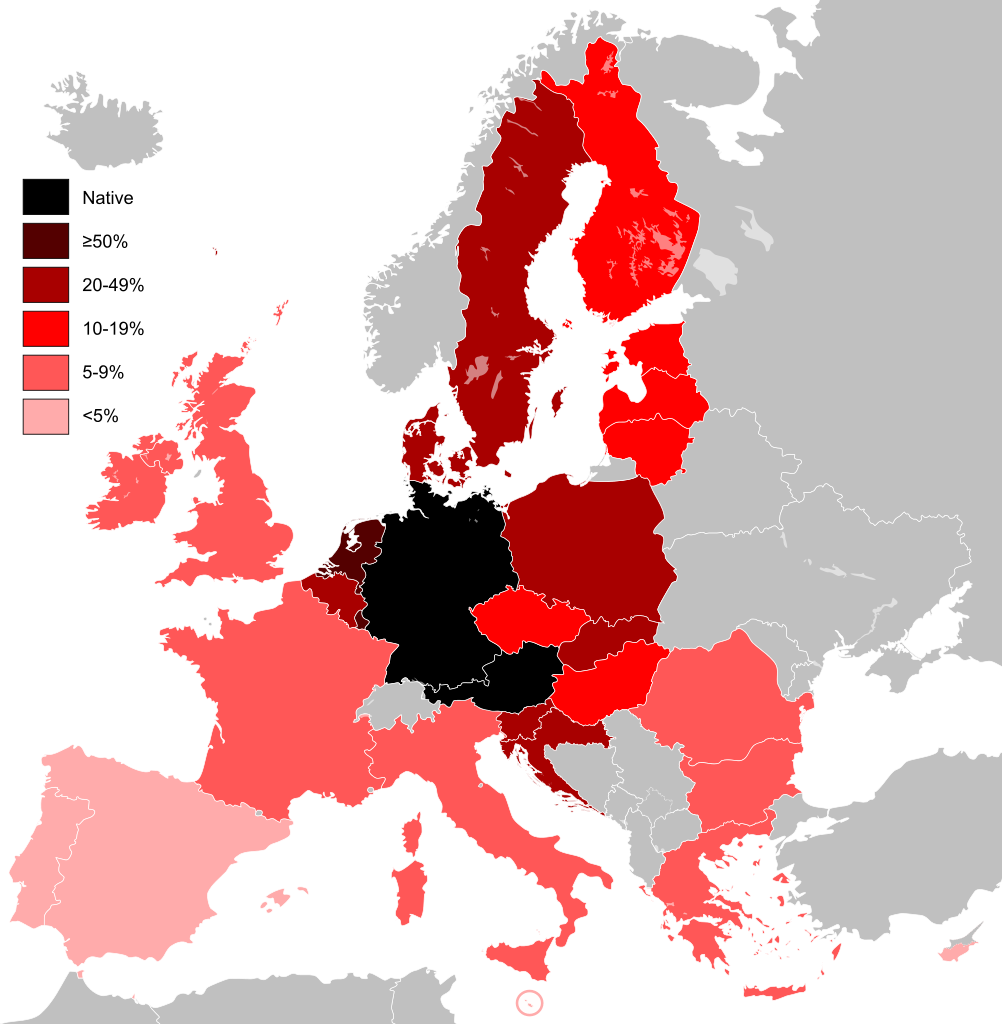
German is the most widely spoken language in Europe

Europe has a population of over 742 million people – that’s massive! Whilst Germany, Austria and Switzerland have almost 100% German speaking populations, German is also the most widely spoken mother tongue in the European Union. Whilst speaking fluent English will get you quite far in Europe, speaking German will get you even further and speaking both… well, the possibilities are endless!

Blog 1 German

Germany has a rich culture
With people such as Albert Einstein, Ludwig van Beethoven, Johann Sebastian Bach, Karl Marx and Johann Wolfgang von Goethe (just to name a few!), it is clear that Germany has a very rich culture, whether it is science, literature or music. With so many notable inventions it is not surprising that many books and journals have ­never been translated into English. By learning German you are opening a door to all kinds of literature and information which you may not have had access to beforehand!

Student Scholarships

The DAAD (Deuscher Akademischer Austauschdienst: German Academic Exchange Service) grants more than 60,000 scholarships PER YEAR (yes, you read that right). With this, it claims to be the largest academic exchange organisation in the world. There are short and long term scholarships available for everything from study abroad to summer courses, thesis research and internships!

Blog 1 DAAD

Most Common German Words:

When learning German, it is often helpful to make sure that you know what the most common words are, as this will help you to understand German much quicker than learning a random vocabulary set. The top 10 common German words are: das, ist, du, ich, nicht, die, es, und, Sie & der. For a full list of the 1,000 most common German words head to http://www.languagedaily.com/learn-german/vocabulary/common-german-words

Blog 1 WORDS

Categories: Uncategorized | Leave a comment

City Spotlight: Freie und Hansestadt Hamburg

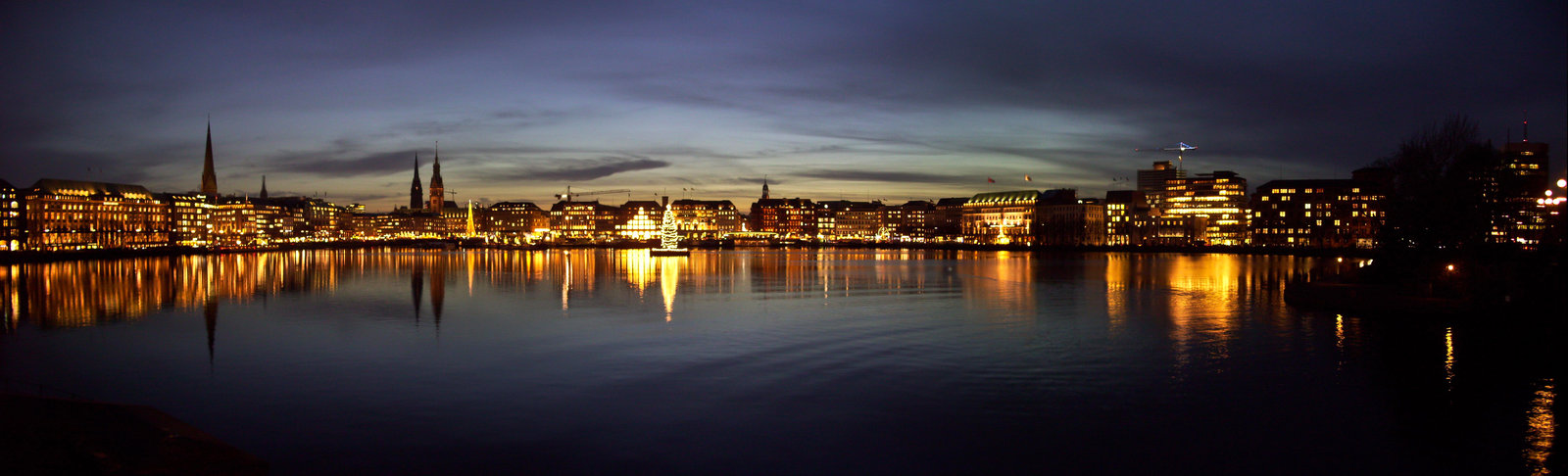
Hamburg panoramaWith a population of roughly 1.8 million, Hamburg is Germany’s second largest city, and what a city it is! Hamburg is home to the largest sea harbour in Germany (second largest in Europe) and has been called the commercial centre of Northern Europe. Whilst the city is vital to the country and all of Europe’s economy, the city has much more to offer. It was voted Germany’s most attractive and hippest city and is home to more than 40 theatres, 60 museums and 100 music venues and clubs.

Hamburg HafenTop 3 Tourist Attractions:

1. Miniatur Wunderland (our personal favourite!!) – the miniature wonderland is the largest model railway in the world! Rather than telling you about this extraordinary exhibit, you can see parts of it in this YouTube video:

https://www.youtube.com/watch?v=ACkmg3Y64_s

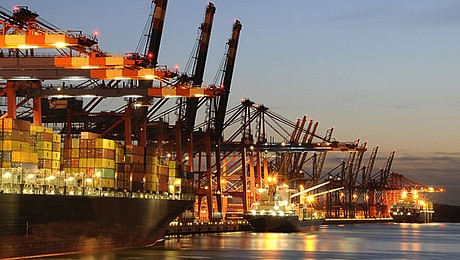
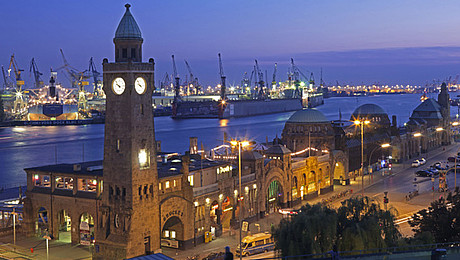
2. Hamburger Hafen – the Port of Hamburg is located on the river Elbe, 110km away from the mouth of the river which opens up to the Nordsee (North Sea). The port is also referred to as “Gateway to the World” and it is the busiest port in Germany. The port is almost as old as Hamburg itself, founded in May 1189 by Frederik I for its strategic location. The port is one of Hamburg’s largest attractions, both as an industrial and logistic centre and as a backdrop for modern culture with museum ships, bars, restaurant hotels and even a floating boat church.

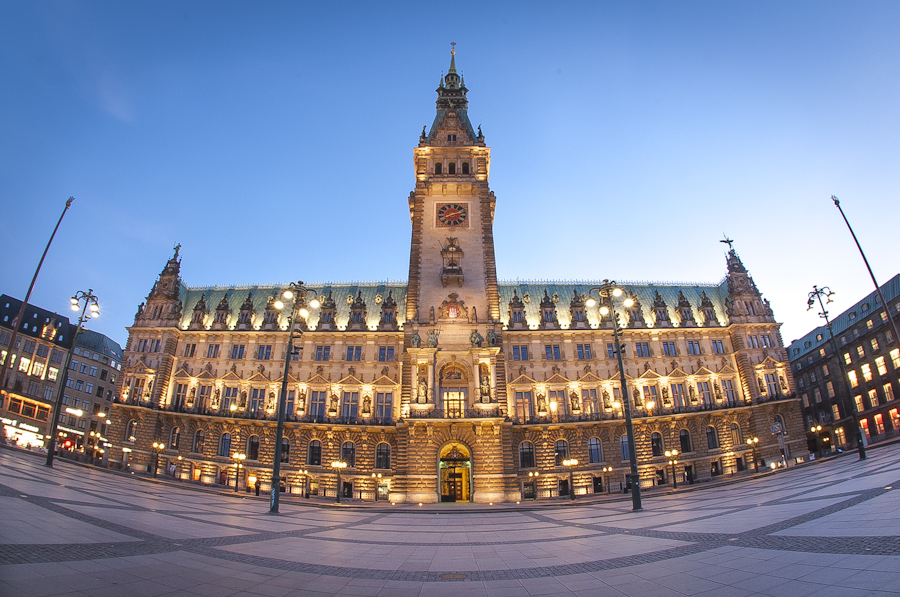
Hamburg Hafen 23. Hamburg Rathaus (town hall) – the city hall or town hall of Hamburg is the seat of the government, located in the Altstadt quarter in the city. The building was constructed from 1886 to 1897, after the old city hall was destroyed in the great fire of 1842, and nowadays still houses its original governmental functions with the office of the First Mayor of Hamburg and the meeting rooms for Hamburg’s parliament and senate. The lobby of the city hall is a public area used for concerts and exhibitions, whilst the hall on the first floor is used for official presentations. The balcony of the city hall has the Latin inscription “Libertatem quam peperere maiores digne studeat servare posteritas” which means “May the freedom won by their forebears be preserved with dignity by future generations.”

Hamburg RathausFun Facts:

  • Hamburg has more than 2,300 bridges (not as many as Berlin but still more than Venice and Amsterdam combined)
  • 14% of the city area is made up of green spaces and recreational areas
  • Hamburg’s town hall has 647 rooms
  • Hamburg is home to the biggest Japanese garden in Europe
  • The Miniatur Wunderland features just over 12,000 metres of train tracks
  • The Hamburger Zoo was the first zoo with no cages (the open enclosures are surrounded by moats rather than cages, so visitors can see animals in more natural environments)
  • Hamburg has the oldest opera in Germany
  • Hamburg is home to more millionaires than any other German city

Hamburg FotoHamburger Sport-Verein (HSV)

HSV, or commonly known as Hamburger SV, is Hamburg’s sport club, most known for its football team. The current HSV was founded in 1919, although it officially traces its origin back to 1887. The HSV is the most unique football team in Germany as it is the only team to have played continuously in the 1. Bundesliga (top tier of the German football league system) since the end of World War I and it is the only team to have played every season of the Bundesliga since its foundation in 1963. HSV has won the German national championship 6 times, the DFB-Pokal 3 times and the League Cup twice.

Hamburg HSV

Categories: Uncategorized | Leave a comment

City Spotlight: Berlin

This year we have decided to take you on a virtual tour of some of Germany’s largest cities – we’ll be introducing you to a new city every week with information, top attractions and much more! This week we’ll be starting with Germany’s capital and one of our very favourites: Berlin!

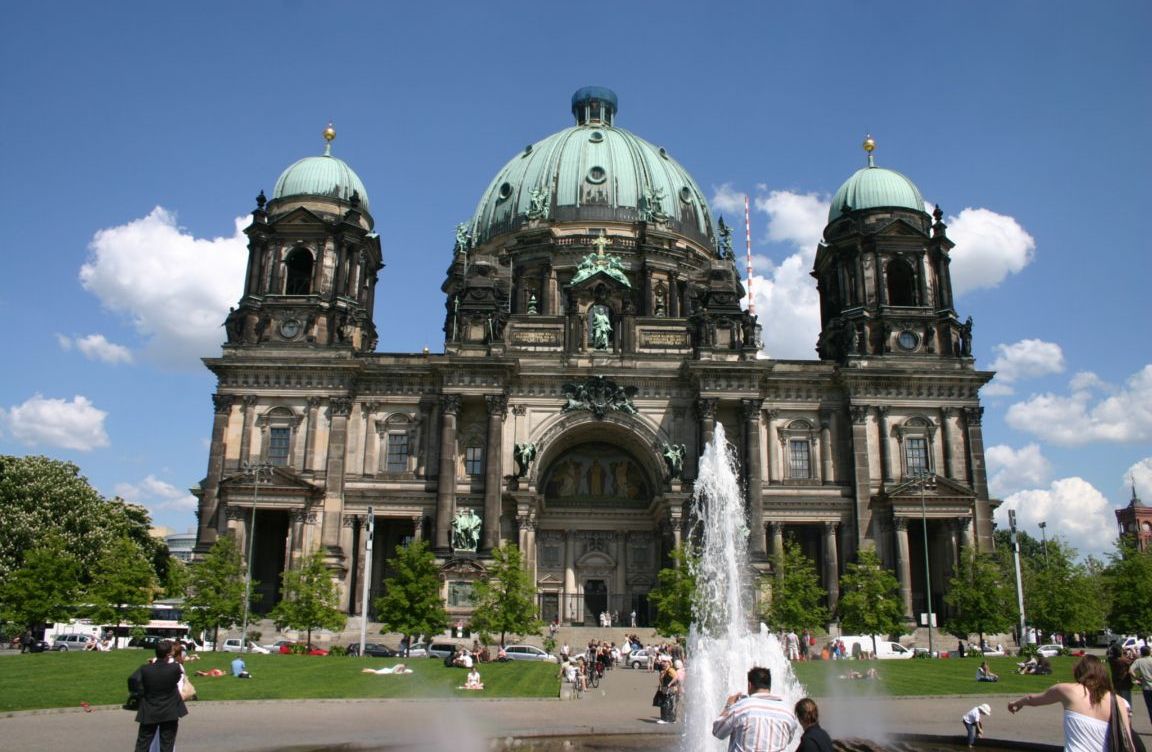
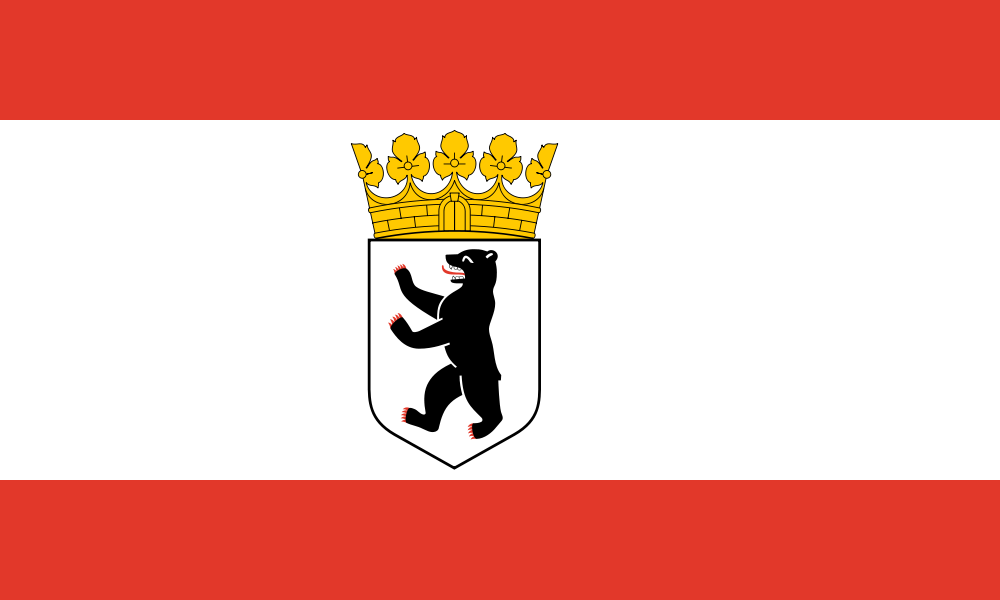
Berlin - DOMWith 3.5 million inhabitants from 184 different nations, Berlin is Germany’s largest city. The flag of Berlin has three stripes, two red and one white, with a bear (civil flag) or the coat of arms of Berlin (state flag – see below). The bear on the flag is apparently a pun on the city’s name (Berlin = Bär – lin) and this has been the official flag of Berlin since the reunification in 1990.

Berlin - FlagTop 3 Tourist Attractions:

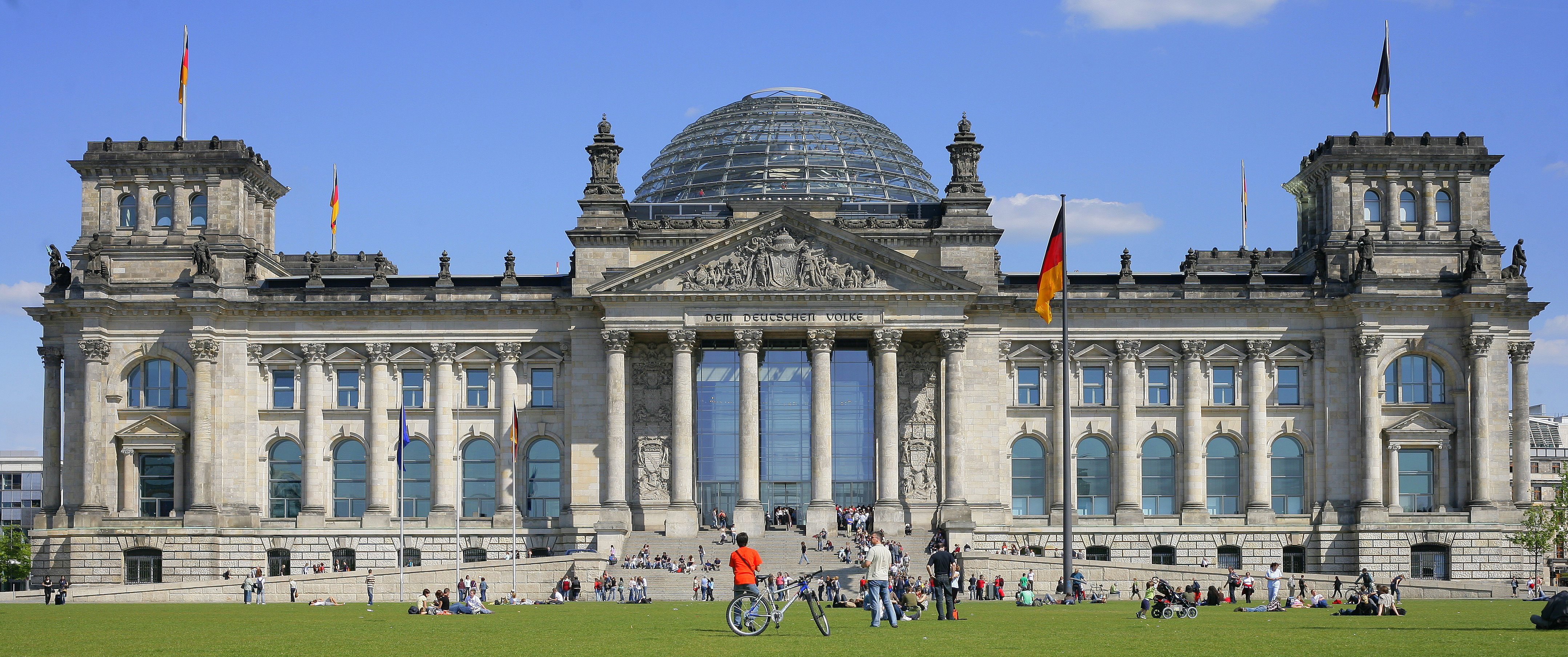
Reichstag – the Reichstag was completed in 1894 following German national unity and the establishment of the German Reich in 1871. During World War II the Reichstag suffered damage and destruction and due to a fire and other damage, the original dome was demolished in 1954. After its restoration in 1961, the building was used as a venue for parliamentary committee meetings. Many momentous events in German history have taken place in the Reichstag with one of the most notable ones being the official reunification of Germany on October 2, 1990. Today, the Reichstag is a visitor must – visitors can register online and then visit the Reichstag for free, including a lift to the top of the building and an audio-guide as visitors walk up the glass dome with a view of the entire city – from the Tiergarten to the Fernsehrturm.

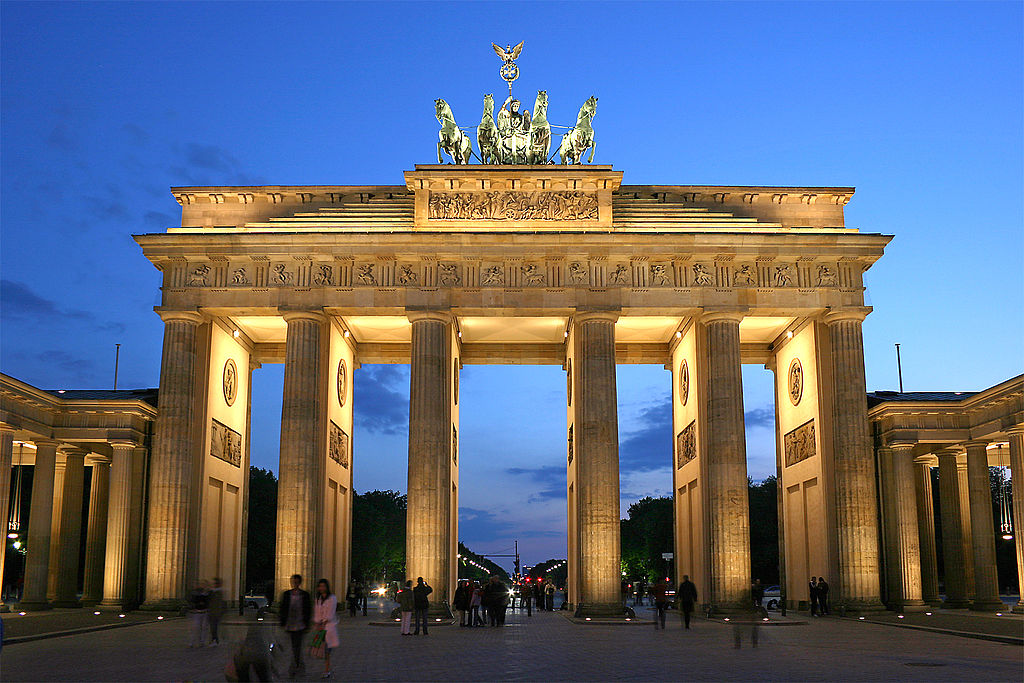
Berlin - ReichstagBrandenburger Tor – the Brandenburg Gate is an 18th century neoclassical triumphal arch at the junction of Unter Den Linden and Ebertstraβe. It was commissioned by King Frederick William II of Prussia as a sign of peace and was completed in 1791. Whilst the gate suffered considerable damage during World War II it was fully restored from 2000 to 2002. Today it is considered as a symbol of the vast German history, but also as a symbol of European unity and peace.

Berlin - Brandenburger TorBerlin Wall – the Berlin Wall divided Berlin into East Berlin and West Berlin between 1961 and 1989. The wall was 155km long and 3.6m high with more than 300 watchtowers, 20 bunkers, thousands of soldiers, guard dogs, alarms and ditches to trap vehicles. Whilst there are no exact figures, estimates show that approximately 5,000 people were successful in crossing the wall, whilst more than 130 people died trying. Nowadays there are some remains of the Berlin wall covered in graffiti at the original site (the East Side Gallery) and scattered across the city and there is a brick outline of the entire length of the wall throughout the city.

Berlin - Berlin WallFun Facts:

  • Berlin is NINE times larger than Paris
  • Berlin has around 1,700 bridges – FOUR times as many as in Venice
  • With the new Berlin Hauptbahnhof, the city has become a proper central rail hub for the first time in its history – and the largest in Europe
  • The first set of traffic lights in Europe were put into place in the Potsdamer Platz in 1924
  • Berlin is Germany’s biggest university city with 4 universities, 4 art schools, 10 technical colleges, ~130 non-university research facilities and over 134,000 students
  • With 175 museums, Berlin is said to have more museums than rainy days
  • Berlin is the most multi-cultural city in Germany (out of 3.5 million inhabitants over 470,000 residents have foreign passports)

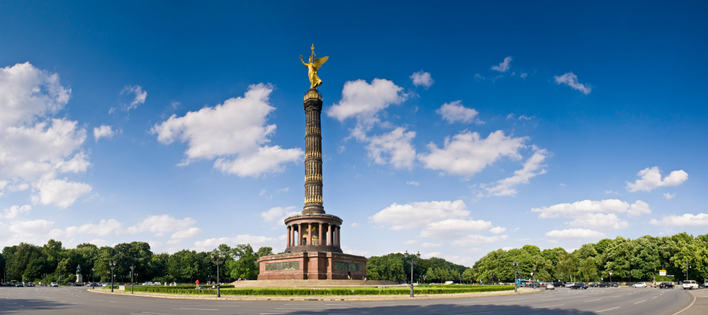
Berlin - SiegessauleAs Jean Paul said in 1800:
Berlin ist mehr ein Weltteil als eine Stadt” (“Berlin is rather a part of the world than a city”).

If you’ve visited Berlin, we hope you love it as much as we do, and if you haven’t, we hope that one day you’ll have the chance to visit this truly remarkable city. 🙂

Categories: Uncategorized | 2 Comments

Back to Schule!

We hope you’ve all enjoyed your Ferien as much as we have, but now it’s time for Schule again!

FerienendeWe wish you every success in the next school year and hope you all continue learning German 🙂

If you’d like to get ahead with your German (and really impress your teacher with your vocabulary!), here is a great site to check out:

http://www.transparent.com/word-of-the-day/today/german.html

The website uploads a new German word every day including its pronounciation and a sample sentence!

Viel Spass und Erfolg im neuen Schuljahr wünscht euch euer Oktoberfest for Teens Team! 🙂

Categories: Uncategorized | 2 Comments

Frohe Weihnachten

… und einen guten Rutsch ins neue Jahr!

We hope that you have all had a wonderful Advent season. We’ve been busy baking Plätzchen, putting up the Weihnachtsbaum and, of course, lighting a candle on our Adventskranz every Sunday.

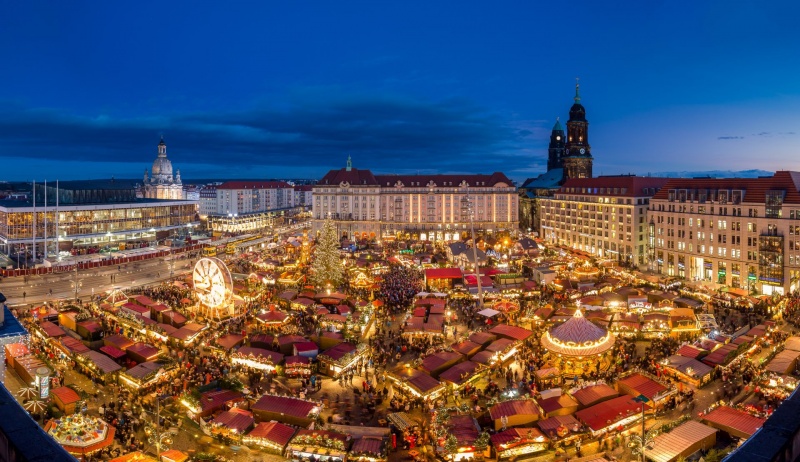
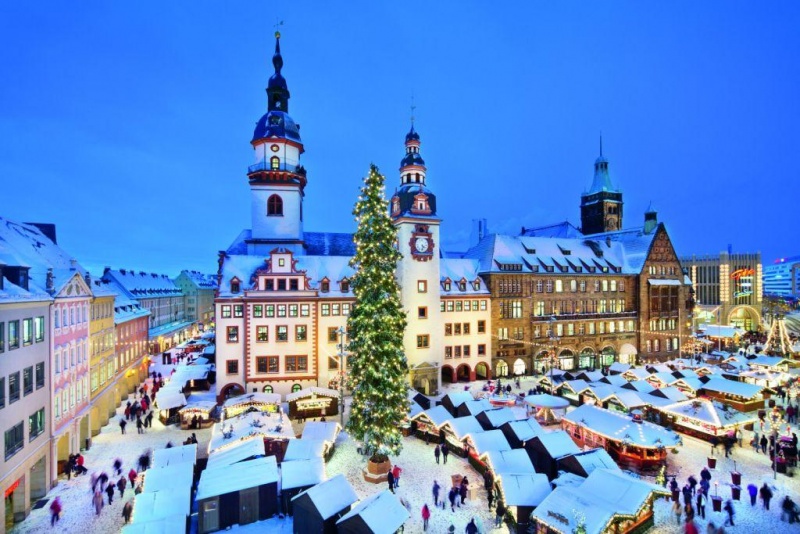
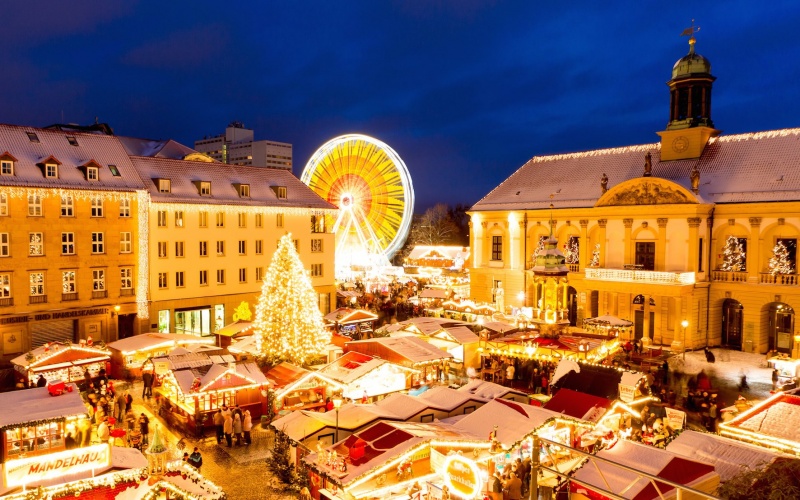
Germany is famous for its Christmasmarkets (Weihnachtsmärkte), here are a few of this year’s favourites:

Mannheim

MannheimDresden

DresdenChemnitz

chemnitzMagdeburg

MagdeburgWe wish you and your families a magical Christmas and wish you all the very best for 2015.

See you in 2015! 🙂

Categories: Uncategorized | Leave a comment

Das war so ein schöner Tag!

We hope that you had as much fun at the 2014 Oktoberfest for Teens as we did!

Thank you for your enthusiasm and participation – we loved seeing your smiling faces throughout the day!

Band at OFTWe yodelled along with Heidi…

Heidi at OFT… and watched in awe as the bell-ringers played some all-time favourites.

Alpenrosen at OFT

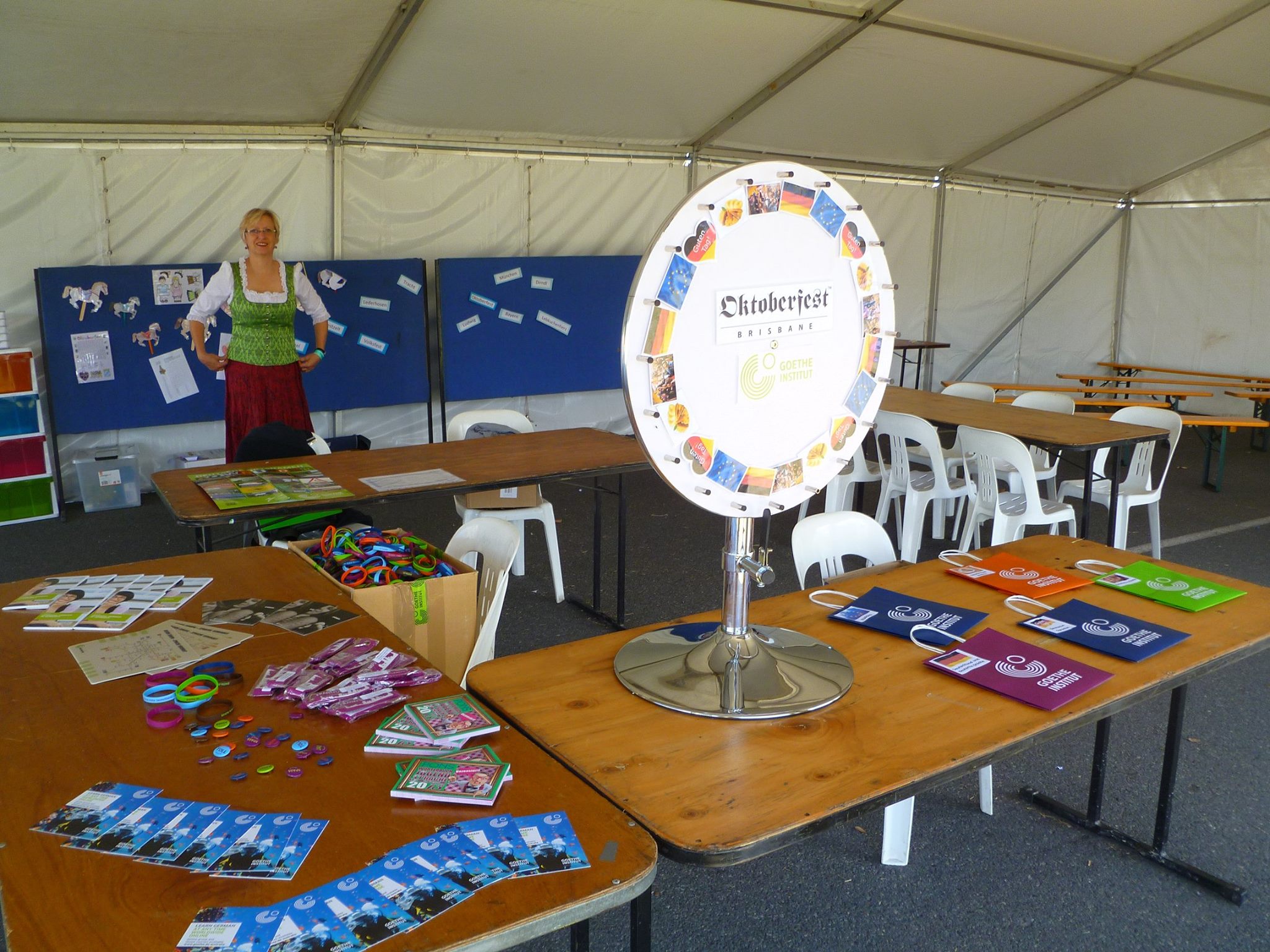
This year we also had a new feature – the Goethe tent – filled with lots of fun German-filled activities from our friends from the Goethe Institut in Sydney!!

14_16Th_GI_0

One of the highlights of this year’s event was the visit from Ludwig Leichhardt, the great-great-great-nephew of Ludwig Leichhardt, the famous German explorer (pictured below with Professor Michael Schütz, the German Honorary Consulate in Brisbane and Paula Hay and Louise Moeller, your Oktoberfest for Teens organisers).

14_16Th_TU_07A special Leichhardt Forum gave students the opportunity to ask Ludwig questions about his ancestor and find out lots of interesting family insights. Another exciting moment within this Forum was the official launch of the world’s first Leichhardt mobile app. which was created by very enthusiastic students from John Paul College with the support of their teacher, Amanda Kuhnemann. Professor Michael Schütz was presented with a USB containing the software from the students. and this app. should be available in early 2015. More photos and details on the app. and the launch can be found here.

Whilst we have said goodbye for now, we’ll be working very hard throughout the year for Oktoberfest for Teens 2015.

Bis zum nächsten Jahr! 🙂

Categories: Uncategorized | Leave a comment

ONE more sleep!

In just 19 hours we’ll be opening the doors to the 2014 Oktoberfest for Teens! It’s going to be BIGGER than ever and we have lots of new games and other fun activities that will keep you entertained throughout the day! 🙂

We’d like to send out a HUGE thank-you to Bianca from the Organic Cotton Candy Company who is supplying many of your YUMMY prizes.

BiancaSo make sure you get a good night’s sleep because you’ll need a whole lot of energy tomorrow to sing along, dance, compete, eat, drink and go on our fantastic rides!!

Bis morgen!! 😀

Categories: Uncategorized | Leave a comment

Tag der Deutschen Einheit!

October the 3rd 1990 – Germany is finally unified.

Deutsche VereinigungPrior to 1871, the area that we know today as Germany was split into many different kingdoms and principalities. In 1871 one Empire was founded, but no official unification day was celebrated. By 1919 Germany had finally agreed upon a national holiday celebrated on the 11th of August, however, just a few years later Germany was split up into East and West Germany when the Nazis took power.
Germany, and many countries of the world, suffered through years of war. The Berlin Wall was erected in 1961 which completely cut off East to West Berlin. On the 9th of November 1989 the first parts of the wall were finally torn down and over the next days and weeks people came to the wall with sledgehammers and created many unofficial border crossings.

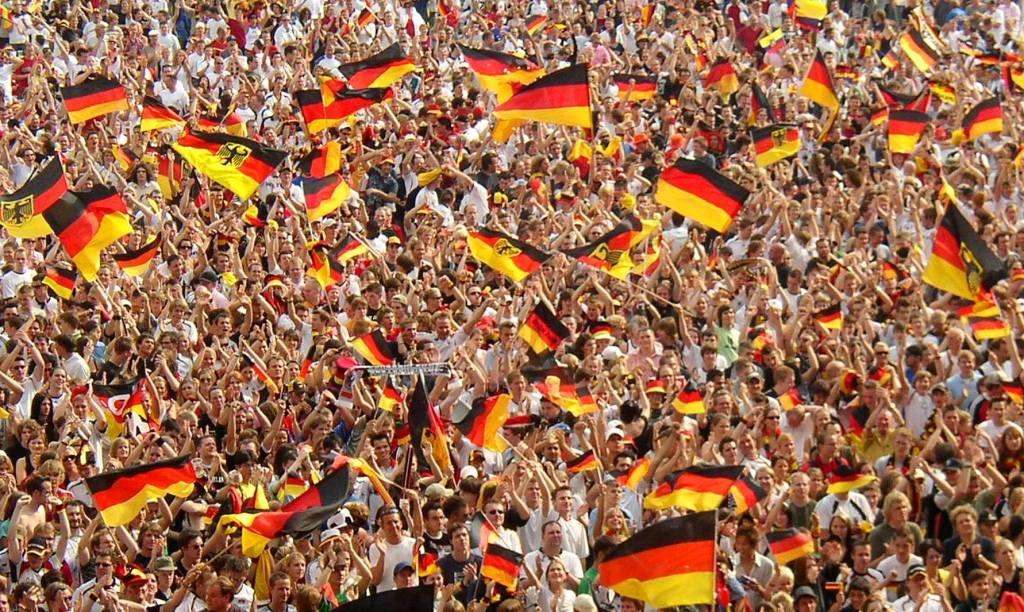
Tag der Deutschen EinheitToday, the Tag der Deutschen Einheit (German Unity Day) is a public holiday in Germany which commemorates the unification of Germany. Throughout the country people celebrate with their friends, family, colleagues, neighbours and anyone else who wants to join! It’s a day where all Germans can stand together proudly as one and celebrate their country!

Wir wünschen euch einen schönen Tag! 🙂

Categories: Uncategorized | 1 Comment

Blog at WordPress.com.