Uncategorized

City Spotlight: Dresden

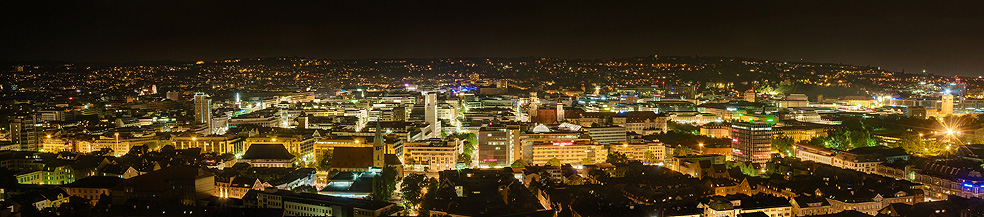
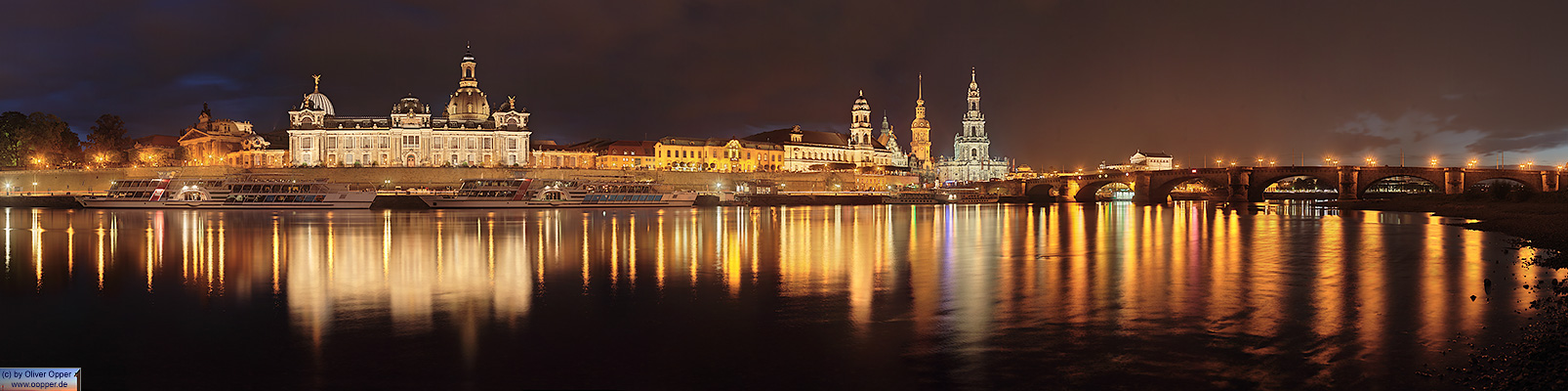
Dresden - Panorama

Dresden is the capital city of the state of Saxony and is located on the river Elbe, close to the Czech border. The area where Dresden stands today was settled in the Neolithic area, approximately 7,500BC! Dresden officially became a city in 1206 and recently celebrated its 800th birthday. The city became the seat for the dukes of Saxony in 1485 (the last king of Saxony abdicated in 1918) and in the 1700s it started to make a name for itself as a leading European city in technology and art. Dresden suffered severe damage by Allied bombing in 1945; 75% of the city’s historical centre was destroyed. Since then the city has been rebuilt and has become a very popular tourist destination, as visitors often stop in Dresden between their trip from Berlin to Prague (or vice versa). The city is filled with beautiful sights, particularly in spring and summer when all of the flowers are in bloom or in winter when everything is covered in a blanket of white snow.
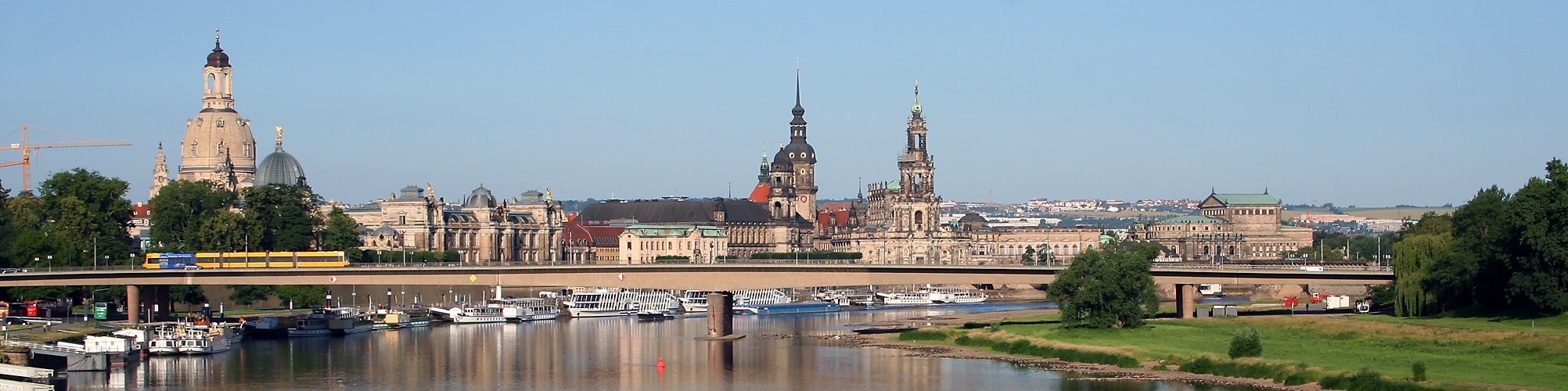
Dresden panorama2

Top 3 Tourist Attractions:

Dresdner Zwinger (Zwinger Palace) – The Zwinger is one of Germany’s most impressive baroque palaces. The palace features many pavilions and galleries and is surrounded by stunning gardens. The palace also contains a courtyard where many festivals and special events are held. The gallery is home to one of the most famous paintings in the world – Raphael’s Sistine Madonna. Whilst many are unfamiliar with the whole artwork, the two angels featured at the bottom are recognised by most.
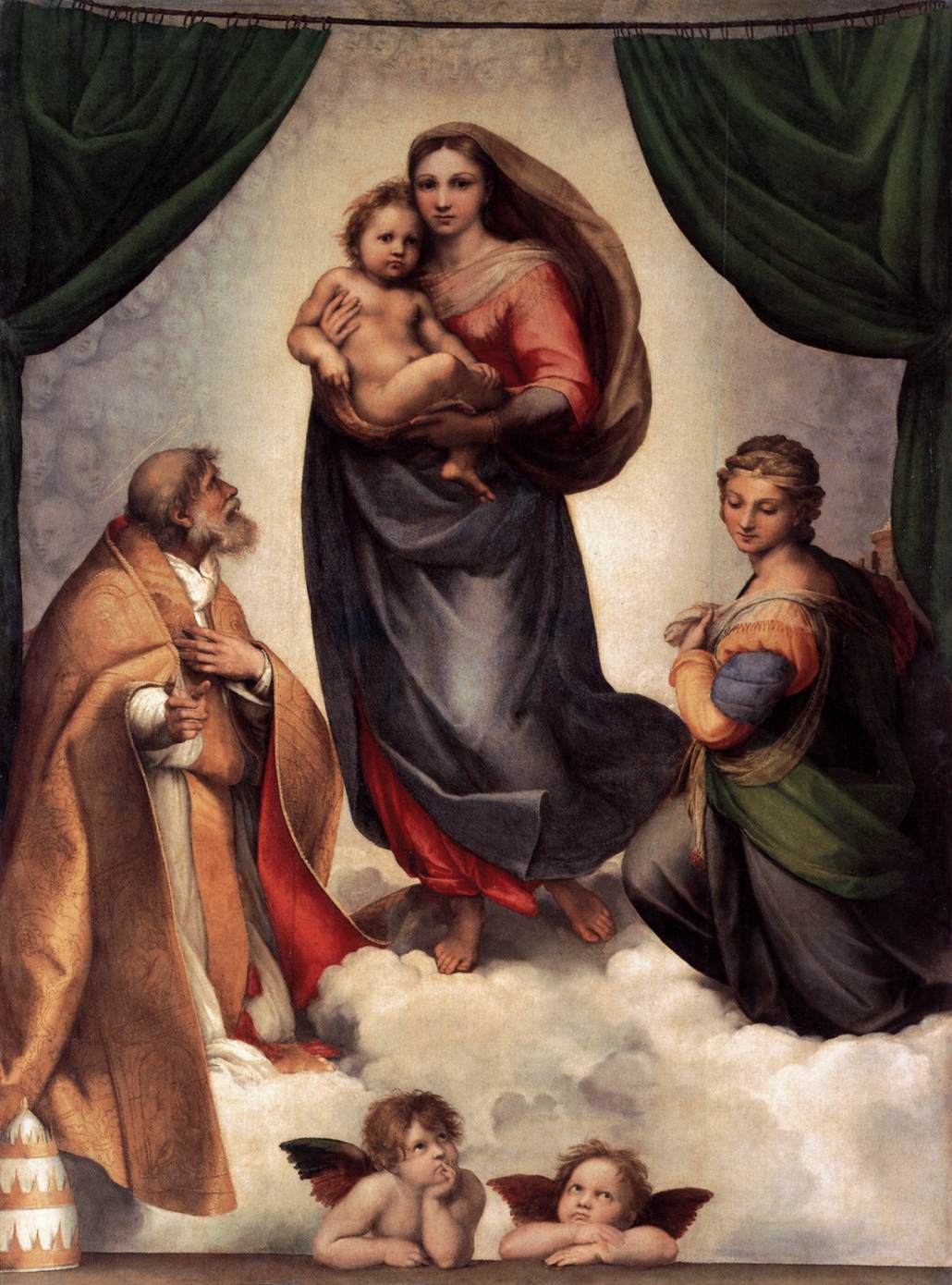
Dresden - Sistine Madonna
Semperoper (Semper Opera House) –
The Semperopera is the opera house of the Saxon State Opera and the concert hall of the Saxon State Orchestra, as well as home to the Semperoper ballet. The opera house is located in the historical centre of Dresden and was originally built in 1841 by Gottfried Semper, however, a large fire in 1869 destroyed the building and the reconstruction was completed in 1878. The opera has been home to the premier of many famous operas, including three by Wagner, nine by Richard Strauss and many more! Aside from viewing concerts of ballet performances, the opera gives daily tours in both English and German.
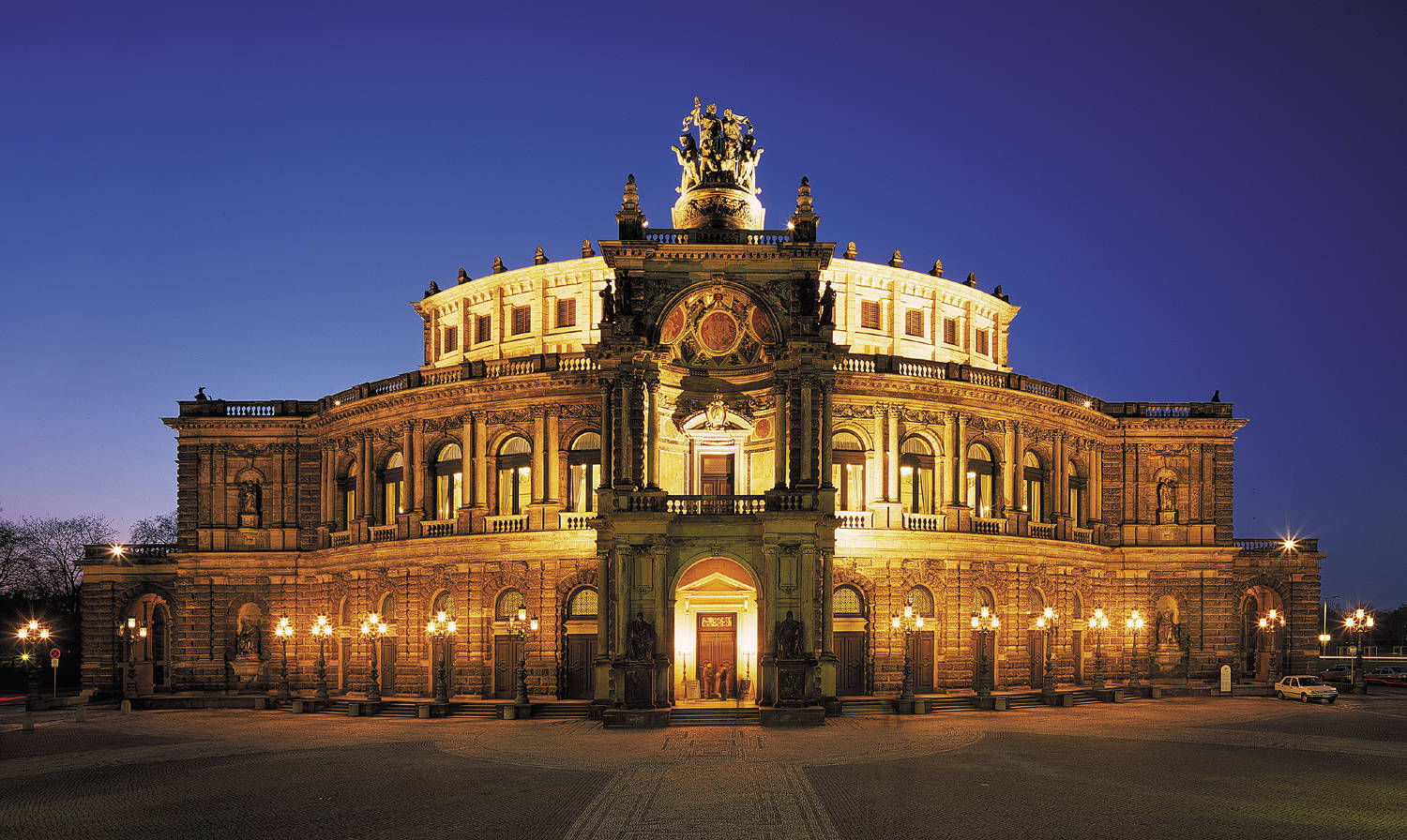
Dresden - Semperoper

Filmnächte am Elbufer – In Summer the grassed area by the Elbe turns into Germany’s largest outdoor cinema, now attracting around 150,000 visitors each year. Every night approximately 5,000 visitors bring out their picnic blankets and watch a movie on the large screen. Whilst the main attraction are the movies, each year there are one or two concerts which take place at this venue, which have included R.E.M. and Nelly Furtado, as well as German bands Die Ärzte and Die Fantastischen Vier. Since 2004 the film nights at the Elbe has had the largest movie screen in the world – a whopping 448 metres squared (32m by 14m)!

Dresden - Filmnacht Elbufer

Did you know… that toothpaste was invented in Dresden? European porcelain was also invented in Dresden (find out more at http://www.meissen.com/en/world-meissen-couture/maison-meissen-couture/300-years-heritage).

Find out more about Dresden:
Categories: Uncategorized | Leave a comment

City Spotlight: Bremen

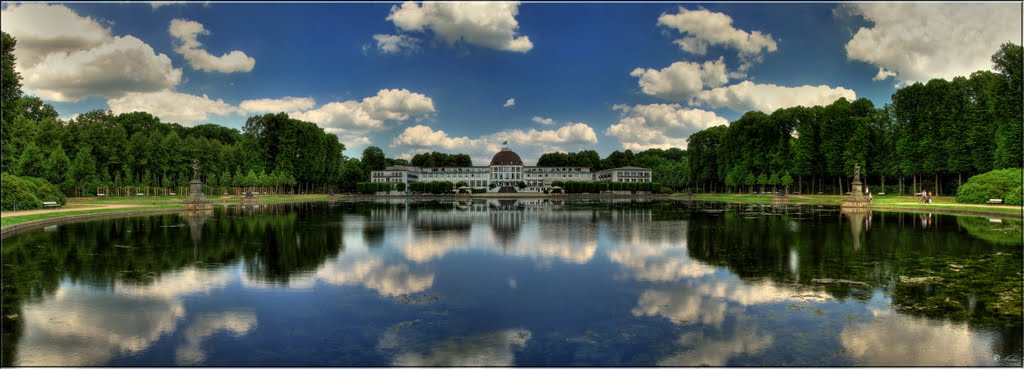
Bremen - panoramaThe city of Bremen, Germany’s tenth most populated city, is also the smallest of Germany’s 16 states. The city is home to the second largest port in Germany and is a commercial and industrial centre trading in cotton, wool, tobacco and copper. The city produces many goods including ships, aircrafts, steel, machinery, textiles and foodstuffs (particularly roasted coffee). It is believed that the marshes and moraines near and where Bremen stands today have been settled since approximately 12,000 BC! Today, almost one quarter of Bremen’s population are of non-German origin, with the highest non-German populations being Turkish, Polish and Bulgarian. The city has much to offer, from its historical old town (and its world-famous Town Musicians from the Brothers Grimm fairytale… but more about that later), to its interactive exhibitions and science centres, museums and the monthly fairs, markets, concerts and plays.

Bremen - panorama2Top 3 Tourist Attractions:

Universum Science Centre – Universum is a large science centre that opened in 2000 and turns science into a big adventure. The building itself resembles a silver whale or a giant silver mussel and contains approximately 250, mostly interactive, exhibits. The exhibits predominantly focus on mankind, the Earth and the cosmos. Some of the interactive exhibits include experiencing a tornado or discovering how obstacles can affect a man-made waterway. In recent years an outdoor EntdeckerPark discovery zone was added which features many interactive stations on the theme of movement. The museum is popular with all ages from 3 and up, so whether you’re six or sixty, this museum is for you!

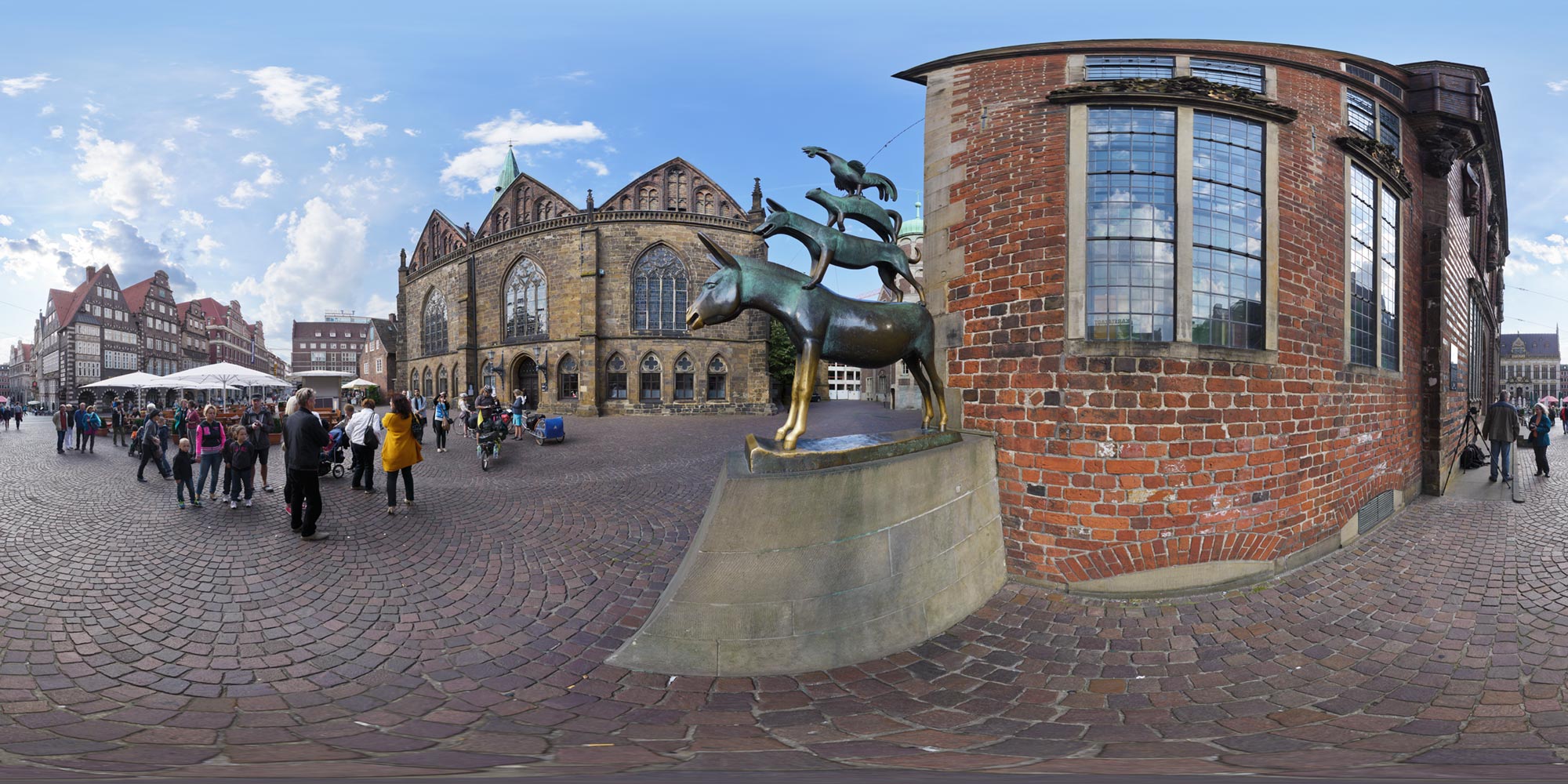
Bremen - UniversumBremer Stadtmusikanten – The Bremer Stadtmusikanten (Town Musicians of Bremen) is a Germany fairytale by the brothers Grimm and despite their name, the musicians never actually make it to Bremen. The tale follows a donkey, a dog, a cat and a rooster that have become too old to be useful to their farmers and decide to leave their homes before they are discarded by their owners… but we won’t spoil the ending for you! There is currently a bronze statue in Bremen which was erected in 1953 and if you visit it, you will notice that the donkey’s front hooves have become very shiny, as touching them is said to make a wish come true. Below are some links to this beloved fairytale:

Fairytale (German): http://www.grimmstories.com/de/grimm_maerchen/die_bremer_stadtmusikanten

Fairytale (English): http://www.bremen-tourism.de/the-bremen-town-musicians

Full movie – 1.5 hours (German): https://www.youtube.com/watch?v=fGBeckfxeuI

Cartoon – 20 minutes (English): https://www.youtube.com/watch?v=eq4iZvP9EsY

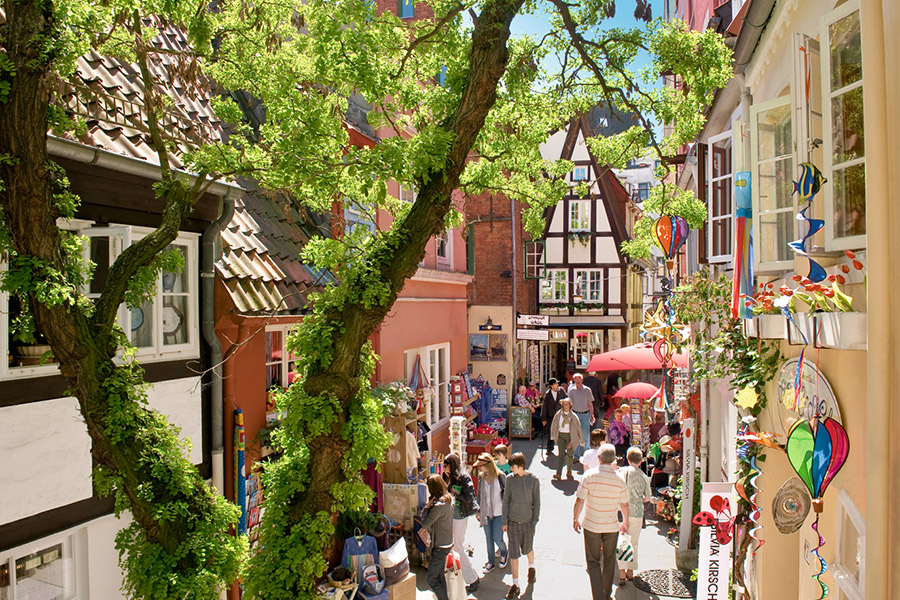
Bremen - StadtmusikantenSchnoorviertel – The Schnoor neighbourhood is the only area in Bremen which has preserved its medieval character. The oldest buildings in the area date back to the end of the Middle Ages. There are two theories about how the area received its name: the word Schnoor is very close to the German word Schnur, meaning string. Some have suggested that the area was named Schnoor as the houses are very close together, like pearls on a string, however, the most widely accepted theory is that this part of the town used to be the old fishermen’s quarter, where the rope makers used to live and thus received the nickname Schnoor. The area is perfect for an afternoon of shopping, strolling in the sun and grabbing a bite to eat at one of the many restaurants and cafes, ranging from traditional German restaurants, to Irish, Italian and Spanish pubs and restaurants.

Bremen - Schnoorviertel 

Fun Facts:

  • The Bremer Stadtmusikanten has been interpreted many times and can now be found not only as a book, but as audio, movie, cartoon and even as a musical
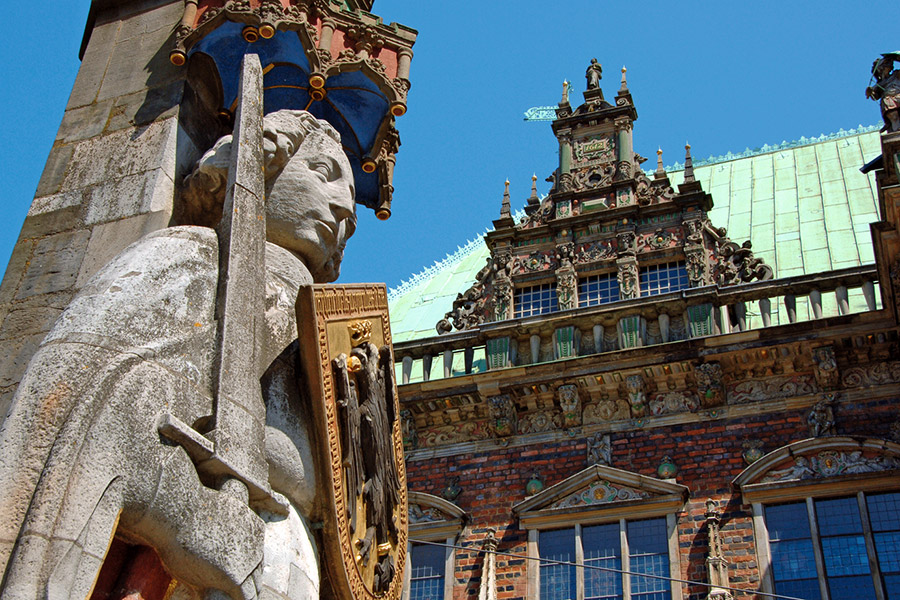
  • Bremen’s town hall and Roland statue are included on UNESCO’s World Heritage List
  • The port of Bremen accounts for 20% of jobs in the area
  • Only 15% of the area is unaffected by annual floods (the entire city is secured by dikes and draining mechanisms)
  • The city’s coat of arms features a silver key on a red background – a symbol of the apostle Peter, the patron saint of Bremen’s cathedral
  • Although Bremen is considered as one city/state, it is actually made up of two major districts: Bremen and Bremerhaven

Bremen - Roland statue

Categories: Uncategorized | Leave a comment

City Spotlight: Essen

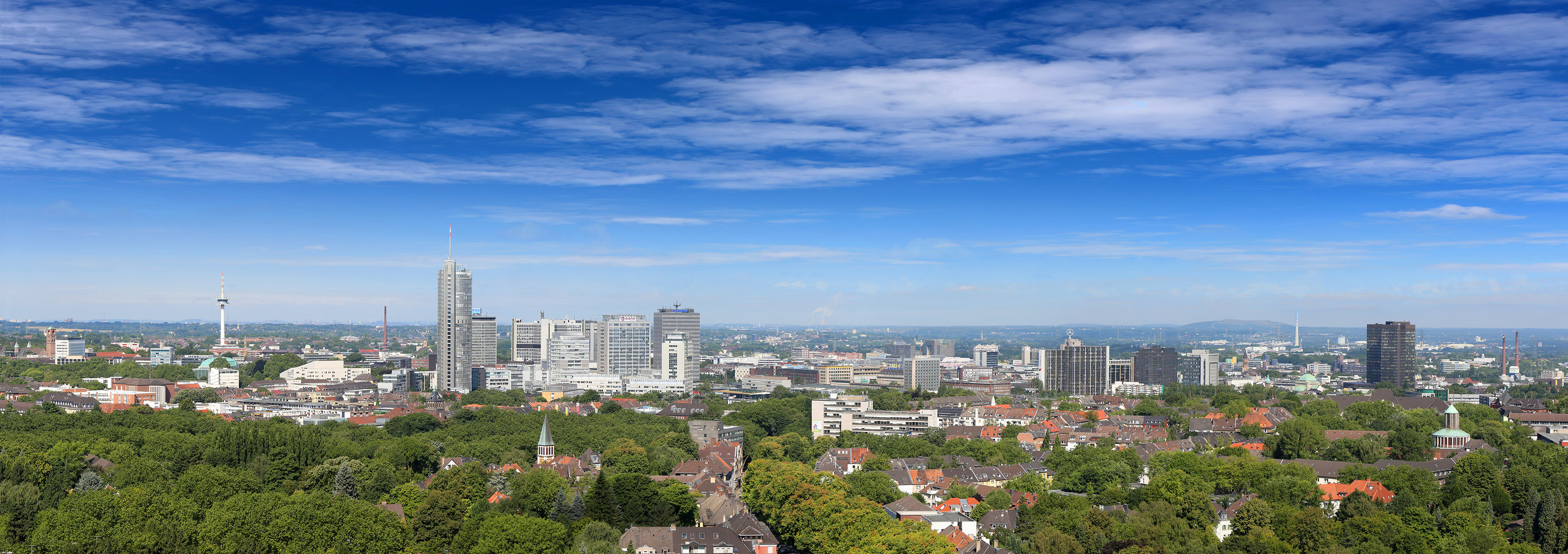
Skyline Essen vom ehelmaligen Ruhrgas Gebäude in Huttrop; Aufnahmedatum: 08. August 2012; ©Foto: Peter Wieler, Essen Marketing GmbH.

Essen is a city located in North Rhine-Westphalia and is situated between the Rhine-Herne Canal and the Ruhr River. Founded in 852, Essen was originally the seat of an aristocratic convent, and is still represented by the Münsterkirche which was completed in the 15th century. The 19th stimulated Essen’s rapid growth from a small town to the largest industrial city in the Ruhr coalfield through the development of ironworks, steelworks and coalmines. The city was occupied by the French between 1923 and 1925 and suffered heavy damage during World War II. Since then the city has been rebuilt, but all of the coal mines have closed. The Zollverein coal-mine complex, once the largest in the world, was declared a UNESCO World Heritage site in 2001. Essen is now the industrial hub of the Ruhr, as well as a retail trade centre, a rail junction and business service centre. Essen is also home to many museums, including art, natural history and cultural collections, a philharmonic orchestra and many forests and parks (in the southern part of the city).

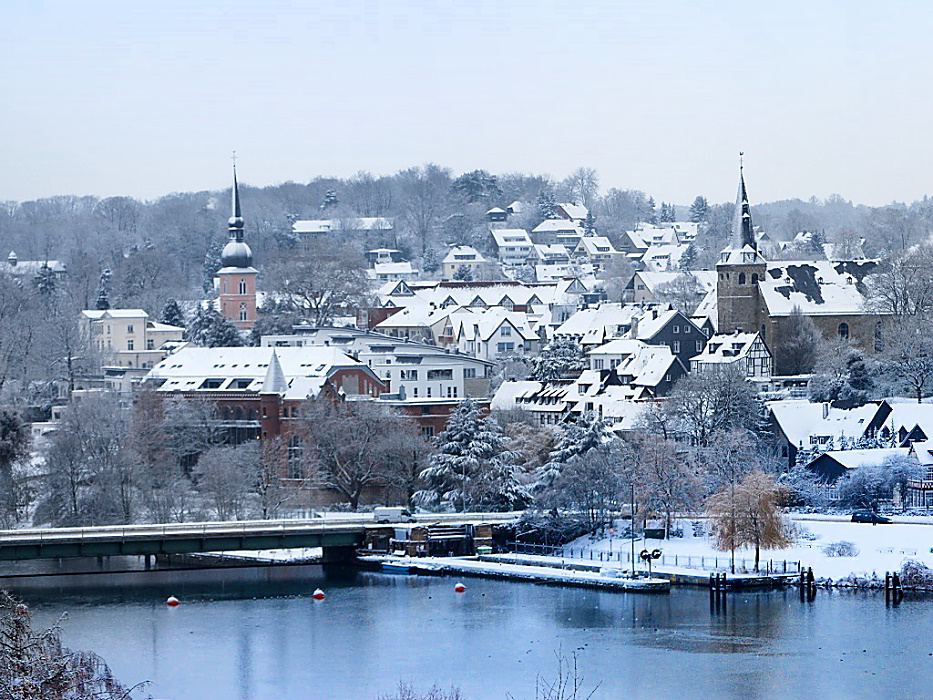
Essen - WinterTop 3 Tourist Attractions:

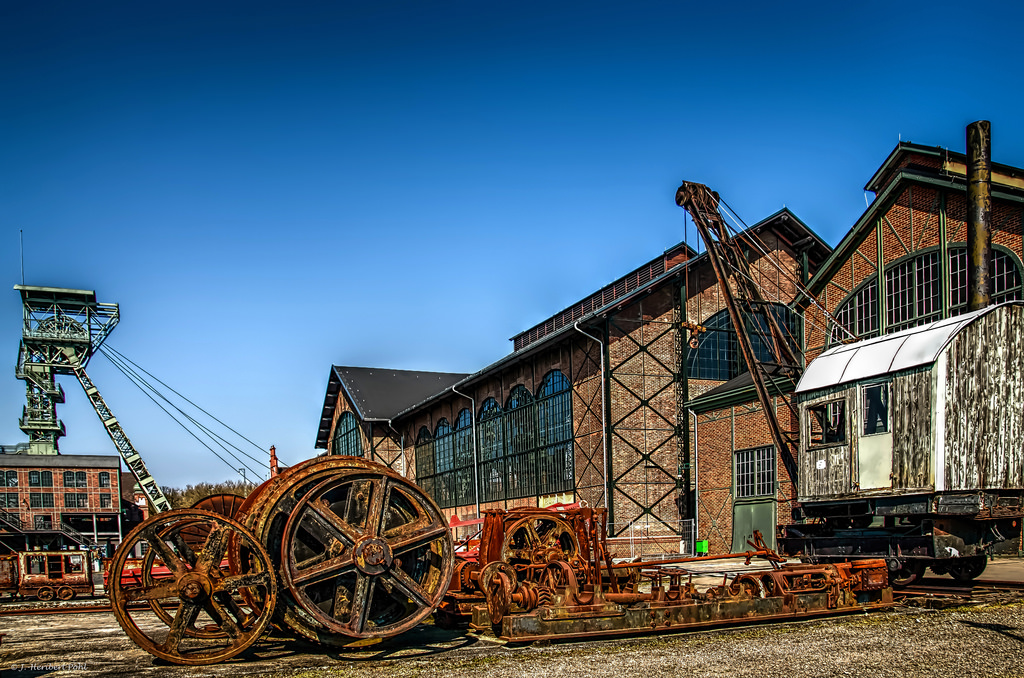
Zeche Zollverein (Zollverein Coal Mine Industrial Complex) – The Zollverein coal mine is a former industrial site in Essen. The first coal mine on the premises was created in 1847 and mining activities were undertaken between 1851 and 1986. The coal mine was originally founded by Franz Haniel who required coke (a very pure and carbon-rich fuel, usually made from coal) for steel production and test drillings concluded that there was a very rich layer of coal found in the Katernberg region (a suburb of Essen). The coal mine was named Zollverein after the German Customs Union, founded in 1934. Almost 100 years later, in 1937, the coal mine was employing almost 7,000 people and had an output of 3.6 million tons of coal. The mine survived World War II with only minor damages and became one of the most productive coke plants worldwide. However, by 1983 the coal mine was no longer profitable enough and parts of it were shut down. The state of North Rhine-Westphalia bought the coal mine territory and declared it a heritage site, which would ensure the preservation of the site. By 2000, the entire site was declared an official heritage site and was listed as a UNESCO World Heritage site in December 2001. Visitors are now able to go on a guided tour of the coal mine which includes a look at the technical processes, architectural features and a full explanation of the mine’s historical background. The Zollverein also hosts a variety of different events throughout the year including festivals and educational events.

Essen - ZollvereinVilla Hügel – The Villa Hügel was built between 1870 and 1873 by Alfred Krupp and was intended as a residence for his family. The villa boasts 269 rooms with 8,100 square metres of useable floor space and is situated with 28ha of park. Alfred, his wife Bertha and son (and heir) Friedrich Alfred moved into the villa in 1873. The Krupp family is one of Essen’s most famous and influential families and owners of the Krupp AG, now ThyssenKrupp AG – a multinational conglomerate corporation based in Duisburg and Essen. The company is one of the world’s largest steel producers and further provides components and systems for the automotive industry, elevators, escalators, material trading and industrial services. The Krupp AG was originally founded by Friedrich Krupp in 1810. His son Alfred Krupp (creator of the Villa Hügel) took over the responsibility at just fourteen years of age after his father died in 1826. The company struggled for many years, but started to take off in 1841 and by 1847 Alfred produced his first cannon made of cast steel. Alfred would later be known as “the Cannon King”. In 1887 after Alfred’s death, his only son Friedrich Alfred took over the company and carried on the work. Throughout the 1900s the company was further passed down the line of Krupps (including Gustav who married into the family but took on his wife’s last name) and in 1999 Krupp merged with Thyssen (a major steel producer founded by August Thyssen in 1891), now known as ThyssenKrupp AG. This is only a brief history of the long Krupp history and the Villa thus represents not only the Krupp family’s residence, but is a symbol of German industrialisation.

Essen - Villa

Museum Folkwang – The Museum Folkwang is home to a large collection of 19th and 20th century art. It was established in 1922 through the merging of the Essener Kunstmuseum (art museum) founded in 1906 and the private Folkwang Museum owned by Karl Ernst Osthaus, established in 1902. The name ‘Folkwang’ derives from the name of the afterlife meadow of the dead, Fólkvangr, from the Norse mythology (mythology of the North Germanic people stemming from Norse paganism). The museum contains 19th and 20th century art including works by Vincent van Gogh and Pierre-Auguste Renoir, modern art, photography, prints, drawings, as well as containing the German Poster Museum. The German Poster Museum (Deutsches Plakat Museum) contains more than 340,000 posters from politics, economics and culture ranging from the first posters produced to modern posters. Sachs (American businessman and museum director) described the museum as “The most beautiful museum in the world.” In addition to its permanent fixtures the museum hosts many special exhibits for limited periods. Current exhibits include ‘Photography in China’, ‘Conflict, Time, Photography’ and ‘Books and Films – Robert Frank.’

Goethe-Institut, Kunst; Farocki; Videos; Eine Einstellung zur Arbeit

Categories: Uncategorized | 3 Comments

City Spotlight: Dortmund

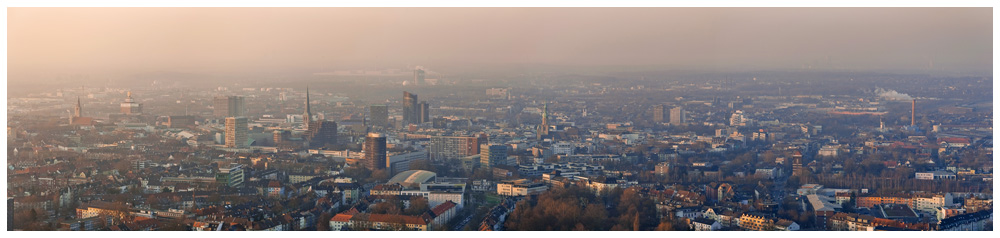
Dortmund - PanoramaDortmund is another large city in the state of North Rhine-Westphalia. It has a population of just over half a million, making it Germany’s eighth largest city. It is also known as Westphalia’s “green metropolis” as almost half of the region is made up of waterways, forests, agricultural and other green spaces. The city was first mentioned in 882. It was then destroyed by a fire and rebuilt in 1152 by the Holy Roman Emperor Frederick I. Throughout the next few hundred years parts of the cities were destroyed by natural disasters and by the war (98% of the inner city was destroyed in World War II). Nowadays the city has much to offer, including rebuilt churches (dating back to the 1300s), six castles, museums, an opera, a major stadium, educational facilities and much more!

Dortmund - Panorama 2Top 3 Tourist Attractions:

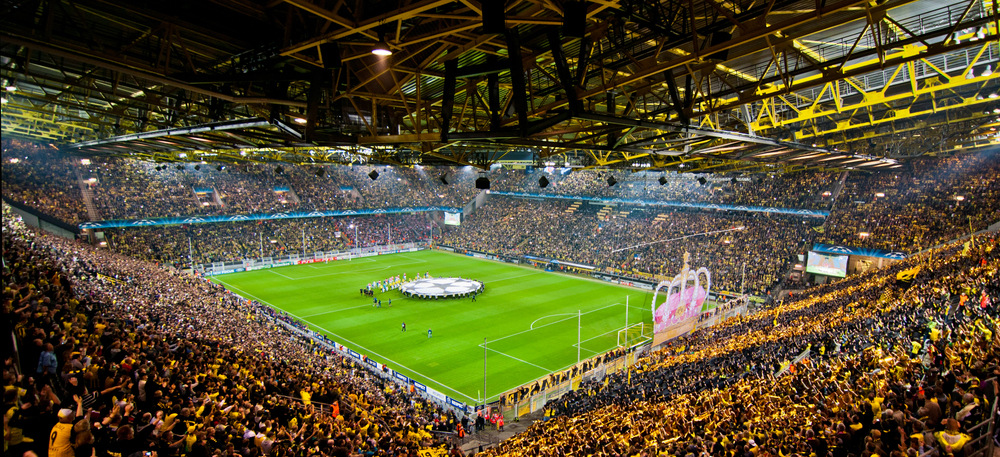
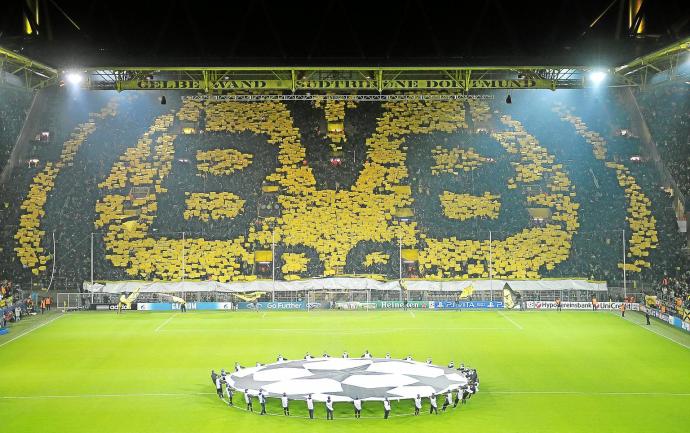
Westfalenstadion – The Westfalenstadium (now named Signal Iduna Park until 2021 under a sponsorship agreement) is the home stadium of the Borussia Dortmund football team in the German Bundesliga. The stadium hosted matches in the 1974 and the 2006 FIFA World Cup, as well as hosting the 2001 UEFA Cup Final. Its original capacity in 1974 was 53,872 and has now increased to 81,264, making it Germany’s largest football stadium. If you happen to be in Dortmund during the football season, make sure you watch a game there and enjoy the incredible atmosphere, if not, the stadium gives tours all year long. The stadium tours include the dressing rooms, the tunnels, VIP areas and the club museum

Dortmund - WetfalenstadionIndustrienmuseum – The museum of industry is the largest industrial museum in Germany and is spread over eight former industrial sites: three collieries, one blast furnace plant, a ship lift, a textile factory, a brickworks and a glassworks. The buildings and machines have been restored, since they closed at the end of the Industrial Revolution, and form the heart of the museum. Visitors are taken on a journey through the city’s industrial heritage and are able to weave textiles, shape bricks and blow glass through a glassmaker’s blowpipe as a part of the experience. The eight sites each offer very different exhibitions and host hundreds of events each year including piano recitals, trade fairs, choral concerts, markets, art shows and much more. Find out more about these events at http://www.lwl.org/LWL/Kultur/wim/portal/termine

Dortmund - IndustriemuseumOpernhaus – After the old opera house was destroyed in the second World War, the new opera house was opened in 1966. The first opera shown in the new opera house was Richard Strauss’ Der Rosenkavalier. The new house was build to facilitate not only operas, but also ballet and other concert performances. The new opera house is a beautiful venue and a must-see for all visitors to Dortmund!

Dortmund - Opernhaus

Fun Facts about Borussia Dortmund:

  • Dortmund’s stadium is the largest in Germany and sixth biggest in Europe
  • It has a long rivalry with Bayern Munich, known as “Der Klassiker” (The Classic)
  • Dortmund is the largest sports club, by membership, in Germany
  • The team was bankrupt in 1929, however, a local supporter covered the team’s shortfall out of his own pocket
  • It was the first club to be publicly traded on the German Stockmarket
  • Dortmund has the highest average attendance of any football club in the world

Dienstag 04.12.2012, UEFA Champions League, Saison 12/13 - in Dortmund, BV Borussia Dortmund - Manchester City FC 1:0, Fans des BV Borussia Dortmund Foto: DeFodi.de +++ Copyright Vermerk DeFodi.de -- DeFodi Ltd. & Co. KG, Wellinghofer Str. 117, D- 44263 D o r t m u n d, sport@defodi.de, Tel 0231-700 500 44, Fax 0231-700 54 90, C o m m e r z b a n k D o r t m u n d, Kto: 36 11 76 100, BLZ: 440 400 37 // BIC COBADEFF440 // IBAN: DE74 4404 0037 0361 1761 00 // Steuer-Nr.: 315/5803/1864 , USt-IdNr.: DE814907547 - 7% MwSt.


Categories: Uncategorized | Leave a comment

City Spotlight: Düsseldorf

Duesseldorf - PanoramaDüsseldorf is the capital city of Germany’s state Nordrhein-Westfalen (North Rhine-Westphalia) and has a population of approximately 600,000 people. What is now one of Germany’s largest cities, started off as a small village surrounding the church of St. Lambert and was granted its town charter in 1288. In 1380 the Earls von Berg were granted dukedom and moved into the city. In the early fifteenth century their residence was developed into a castle which was destroyed by a fire in 1872 – the castle’s tower was the only part to survive the fire which is currently a prominent symbol of the city. The city’s town hall was completed in 1573 and is still a popular attraction in the city. The opera house and the art gallery were built next in the mid 1600s. The famous Hofgarten, Germany’s first public park, was completed in the 1700s and has remained a public botanic garden. In the early 1900s the Ehrenhof was built near the Hofgarten which is now home to many museums, performance venues and the Tonhalle, the city’s concert hall (originally built as a planetarium in 1926). The city is currently an international business and financial centre. It is also well known for its fashion and trade fairs, its cabaret, its theatres, museums (e.g. Goethe-Museum and Hetjens Museum), art and history institutes, gardens and sports facilities.

Duesseldorf - Panorama2Top 3 Tourist Attractions:

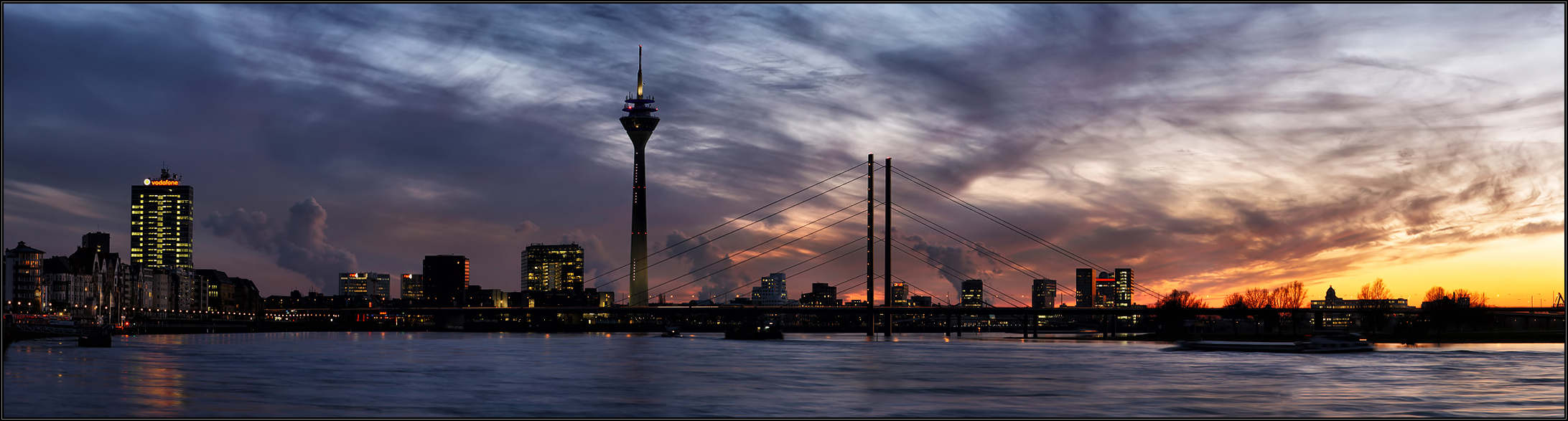
Rheinturm – the Rhine Tower is a 240.5m high telecommunications tower in Düsseldorf. It was completed in 1981 and is the tallest building in the city. Visitors are able to take a lift up to height of 170m (the lift travels at 4m per second!) and enjoy a spectacular view from the revolving restaurant and observation deck. The windows in the restaurant and observation deck run from the floor to the roof and are tilted so that visitors are able to look straight down at the base of the tower. On a clear day, visitors are not only able to view the city, but a large proportion of North Rhine-Westfalia – even all the way to Cologne!

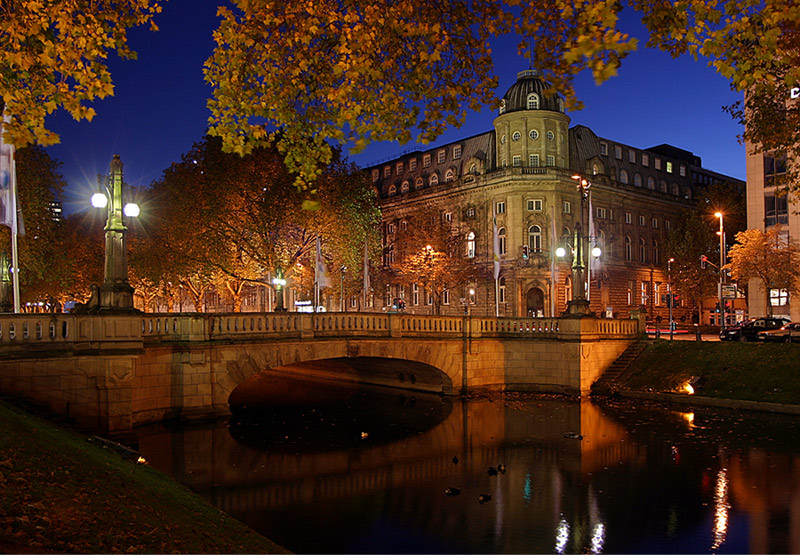
Dusseldorf - RheinturmKönigsallee – the Königsallee (or King’s Avenue) is a famous avenue in Düsseldorf. It is known for being the luxury retail centre of the city, as well as for the canal which runs along its centre. It is approximately 1km long and starts at the Hofgarten. The canal and boulevard were completed in 1804 and the boulevard was originally named Kastanianallee (chestnut avenue, as the canal is lined by chestnut trees), however, it was renamed in 1848 after King Friedrich Wilhelm IV visited the avenue and had horse manure thrown at him (the avenue was renamed as a gesture of reconciliation). Düsseldorf is currently one of the world’s fashion capitals and the Königsallee is home to many famous luxury brands, such as Bulgari, Cartier, Chanel, Gucci, Louis Vuitton, Prada, Tiffany & Co. and Swarovski.

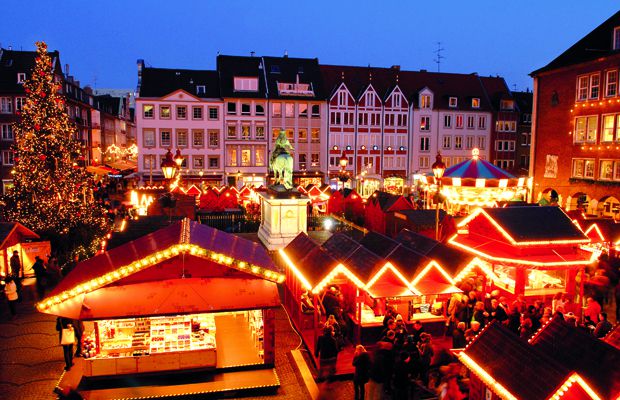
Dusseldorf - KonigsalleeAltstadt – the Altstadt is the city’s Old Town. It is home to countless restaurants, cafes and pubs as well as most of the city’s cultural venues. The Burgplatz is in the heart of the Altstadt and currently holds the remains of the castle which once stood there. The Altstadt is lined with beautiful architecture is transformed into a winter wonderland during December when it holds the city’s main Christmas market (see below).

Dusseldorf - Altstadt

Fun Facts:

  • Düsseldorf has a longstanding rivalry with Cologne (including football, ice hockey), particularly as Cologne was determined to become the state’s capital city
  • The custom of doing cartwheels was started by the children in Düsseldorf and dates back to 1288 (sculptures of a cartwheeler can be found throughout the city and on many souvenirs)
  • More than 1,000 trains stop in Düsseldorf’s Hauptbahnhof every day
  • There are more than 400 advertising agencies found in the city, including three of the largest ones in Germany
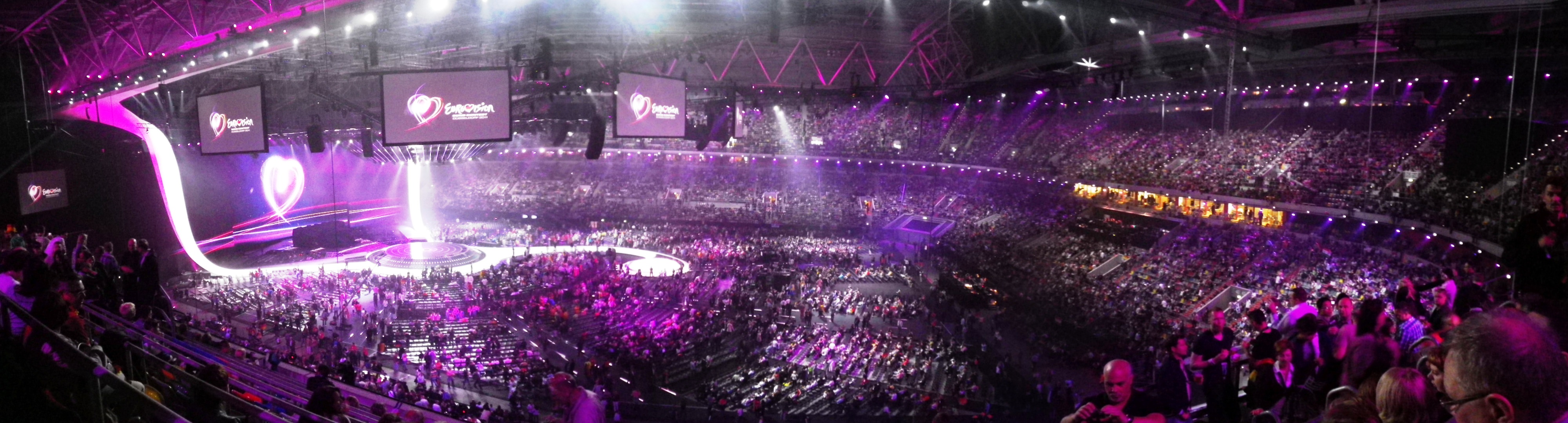
  • Düsseldorf was the host city for the 2011 Eurovision Song Contest (see picture below)
  • A large part of one of Germany’s most famous soap operas ‘Verbotene Liebe’ (Forbidden Love) takes place in Düsseldorf

Dusseldorf - Eurovision

Categories: Uncategorized | Leave a comment

German Proverbs Literally Translated into English

Germans have many popular proverbs, however, literally translating them is another matter…

blog 4 - 1German: “Nur die Harten kommen in den Garten.”
Translation: Only the strongest survive.
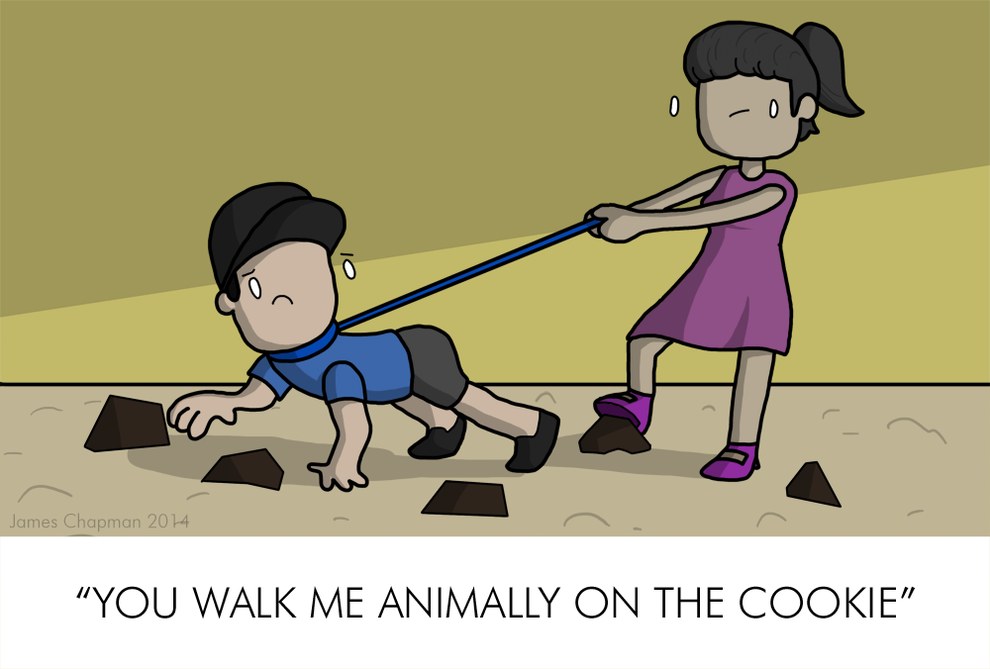
Blog 4 - 2German: Du gehst mir tierisch auf den Keks.

Translation: You’re driving me crazy.

Blog 4 - 3German: Zu viele Köche verderben den Brei.

Translation: Too many cooks spoil the broth.

Blog 4 - 4

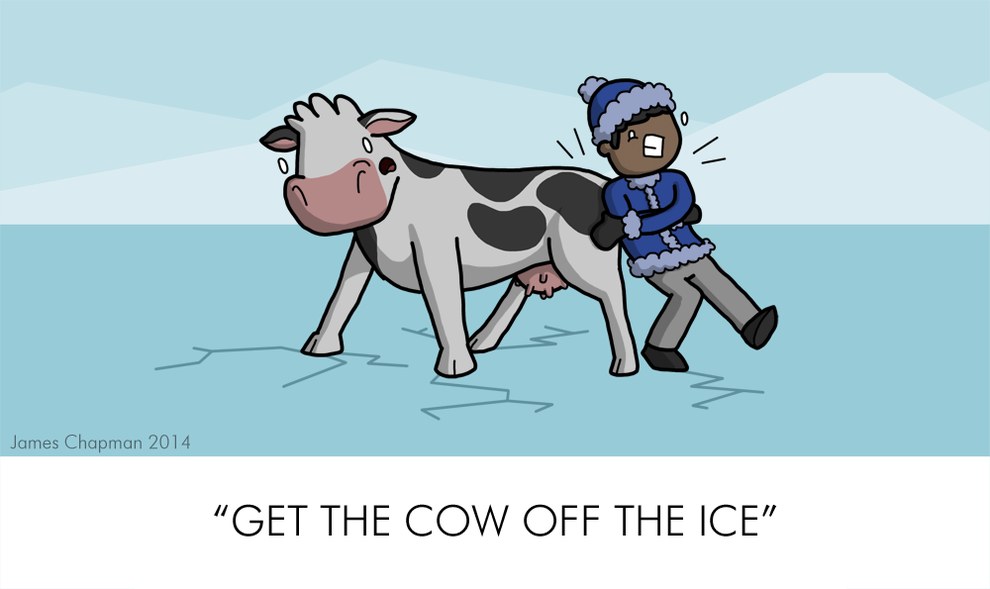
German: Die Kuh vom Eis holen.

Translation: Escape a risky situation. (Well, trying to get a cow off thin ice would be a rather risky situation!)

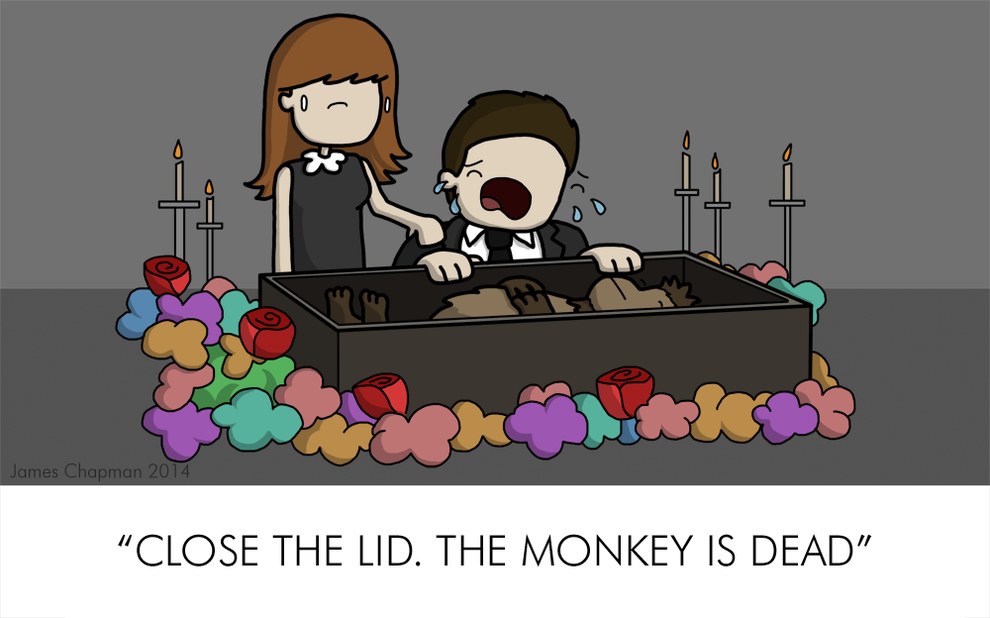
Blog 4 - 5Note: The literal translation is actually “Lid closed, monkey dead.”

German: Klappe zu, Affe tot.

Translation: Let’s put an end to this.

Blog 4 - 6

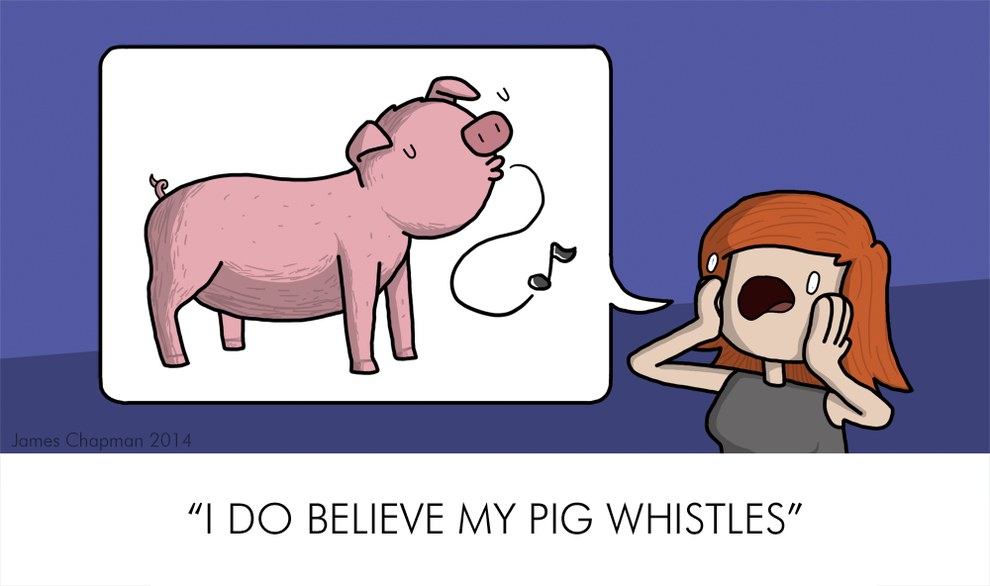
German: Ich glaub, mein Schwein pfeift.

Translation: I don’t believe it.

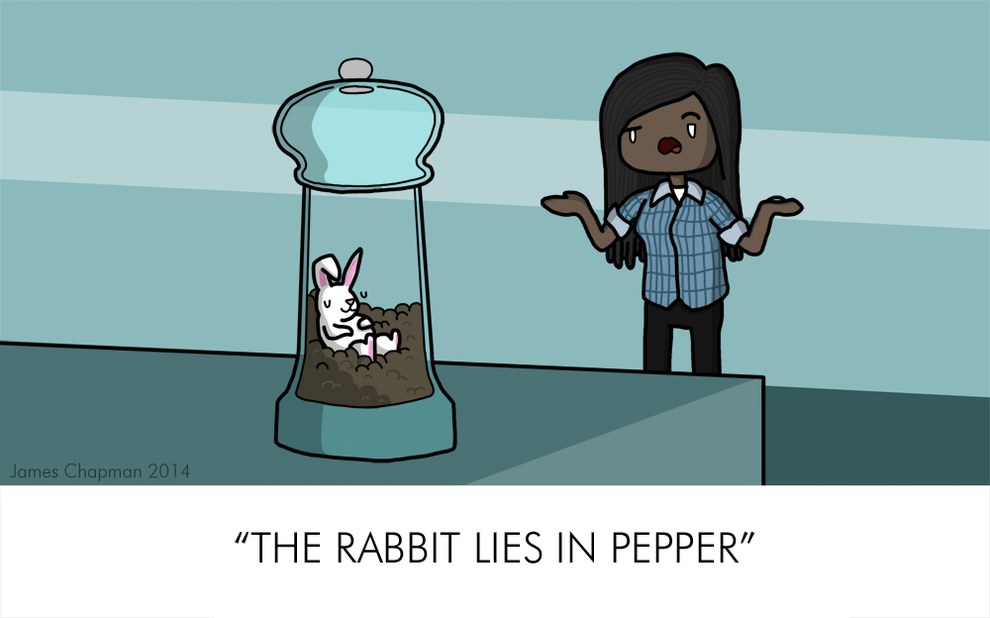
Blog 4 - 7German: Da liegt der Hase im Pfeffer.

Translation: This is the cause of that/ That’s the problem.

Blog 4 - 8

German: Alles hat ein Ende, nur die Wurst hat zwei.

Translation: All good things must come to an end.

blog 4 - 9German: Kleinvieh macht auch Mist.

Translation: Small amounts can add up (to something bigger).

Adapted from http://www.buzzfeed.com/lukelewis/german-proverbs-translated-literally-into-english#.vmol13zgpl

Categories: Uncategorized | Leave a comment

City Spotlight: Stuttgart

Stuttgart - PanoramaStuttgart is the capital city of Germany’s third largest state, Baden-Württemberg. Contrary to many of Germany’s large cities, Stuttgart is made up of both densely populated areas, as well as large hillsides, vineyards and parks. The city of Stuttgart is further divided up into 23 city districts: 18 outer districts and 5 inner districts (Central Stuttgart and Stuttgart-North/ South/ East/ West). The most famous outer district is Bad Cannstatt, home to Europe’s second largest mineral spas, the Wilhelma Zoo, the Mercedes-Benz Museum, the Porsche Arena and the Cannstatter Wasn (Stuttgart’s famous Spring Festival).

Stuttgart’s history dates back to the first century AD when the Romans established a fort on the banks of the Neckar river. The Romans were then pushed back from Stuttgart in the 3rd century by the Alemanni (a confederation of German tribes), after which there is a gap in Stuttgart’s history until the seventh century. Stuttgart as we know it today was established around the year 950 during the Hungarian invasion of Europe. Many years later in 1803, Stuttgart was elected as the capital of the Electorate of Württemberg and after Napoleon broke up the Holy Roman Empire, Stuttgart became the capital of the Kingdom of Württemberg in 1805. Fast forward another few years to the early 1880s and, with Gottlieb Daimler’s invention of the automobile, the city’s population was rapidly increasing. In 1949 Stuttgart, along with Frankfurt, was a serious contender to become Germany’s capital city, but in the end, Bonn succeeded. In 1952 the states of Baden and Württemberg merged together to create what we now know as Baden-Württemberg. Throughout this entire time Stuttgart has remained the state’s capital city.

Stuttgart - Panorama2Top 3 Tourist Attractions:

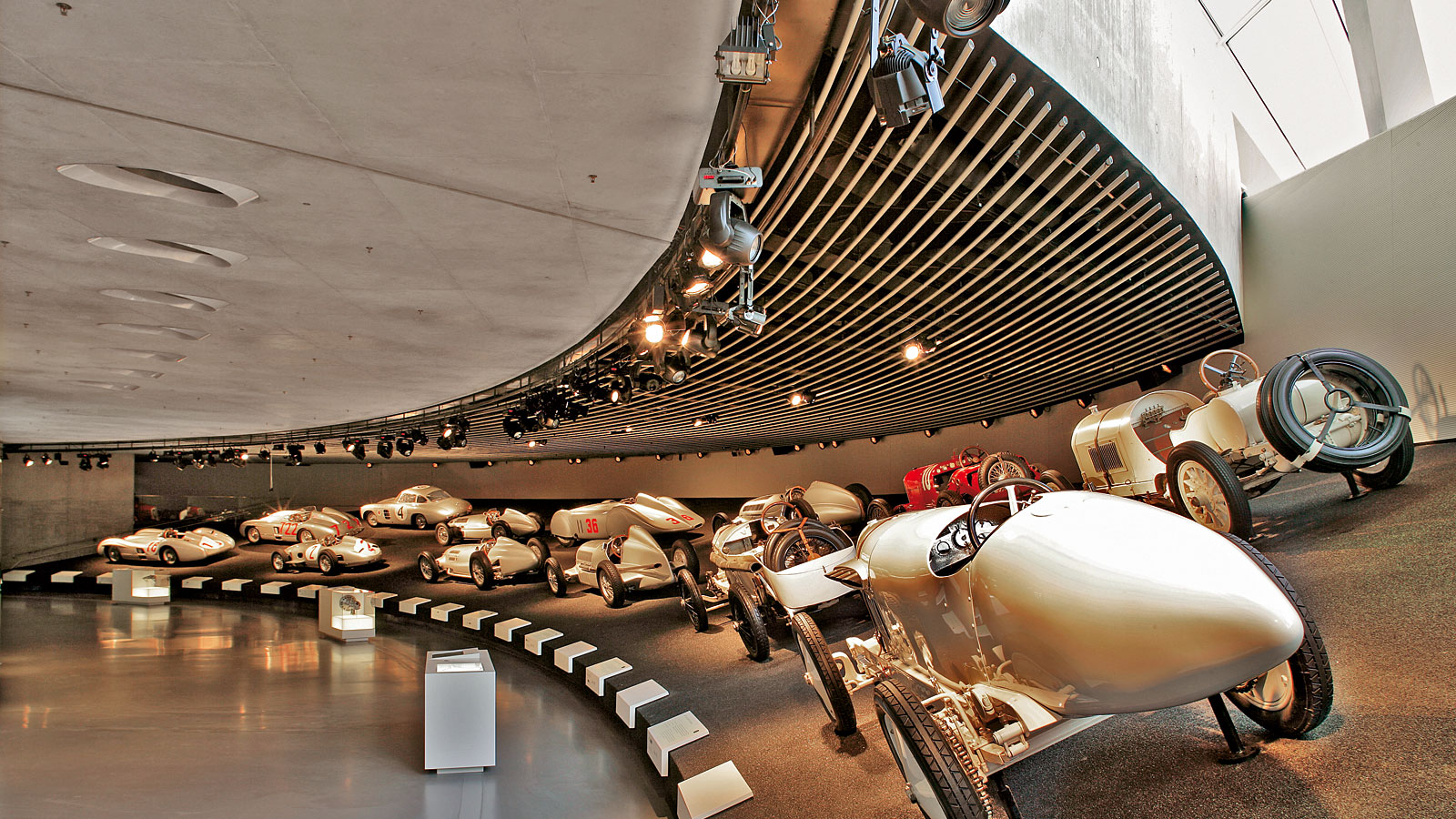
Mercedes-Benz Museum & Porsche Museum – both are equally as fantastic! The Mercedes-Benz museum is the only museum in the entire world that can document all 125 years of automobile industry from its very beginnings to the present day. The museum’s 1,500 exhibits are distributed over 9 floors, including 160 vehicles. Visitors are transported to the top of the museum and back in time to 1886 and then work their way down until the present day.

The Porsche museum is Stuttgart’s second most popular attraction displaying over 80 racing and sports cars, including some very unusual prototypes. The museum cost over 100 million Euro to build and is a must-see for any Porsche fan!

Stuttgart - Mercedes-Benz MuseumWilhelma – The Wilhelma was originally built as a royal palace for the Swabian king, King Wilhelm I, and now houses a zoo and botanical garden. It is home to over 8,000 animals representing over 1,000 different species, as well as over 7,000 species of plants. The animals range from gorillas to sea lions, zebras, brown bears, elephants, jellyfish, crocodiles, rhinoceroses, butterflies, sloths, leopards, anteaters, ostriches, wolves and so much more. The Wilhelma also has a strong focus on conservation and preservation. For example, the zoo is a part of the European Endangered Species Programme, it makes annual donations to the Okapi wildlife reserve in the Congo, it runs special guided tours for schools and participates in various projects to release animals back into the wild, provided the new habitat offers enough food, shelter and protection from poachers. The park receives over 2 million visitors every year from Stuttgart, all over Germany and neighbouring European countries. Whilst closing times depend of the month (earlier in winter, later in summer), it opens its gate at 8:15am every day of the year!

To find out more about this spectacular zoo head to http://www.wilhelma.de/nc/en/home.html

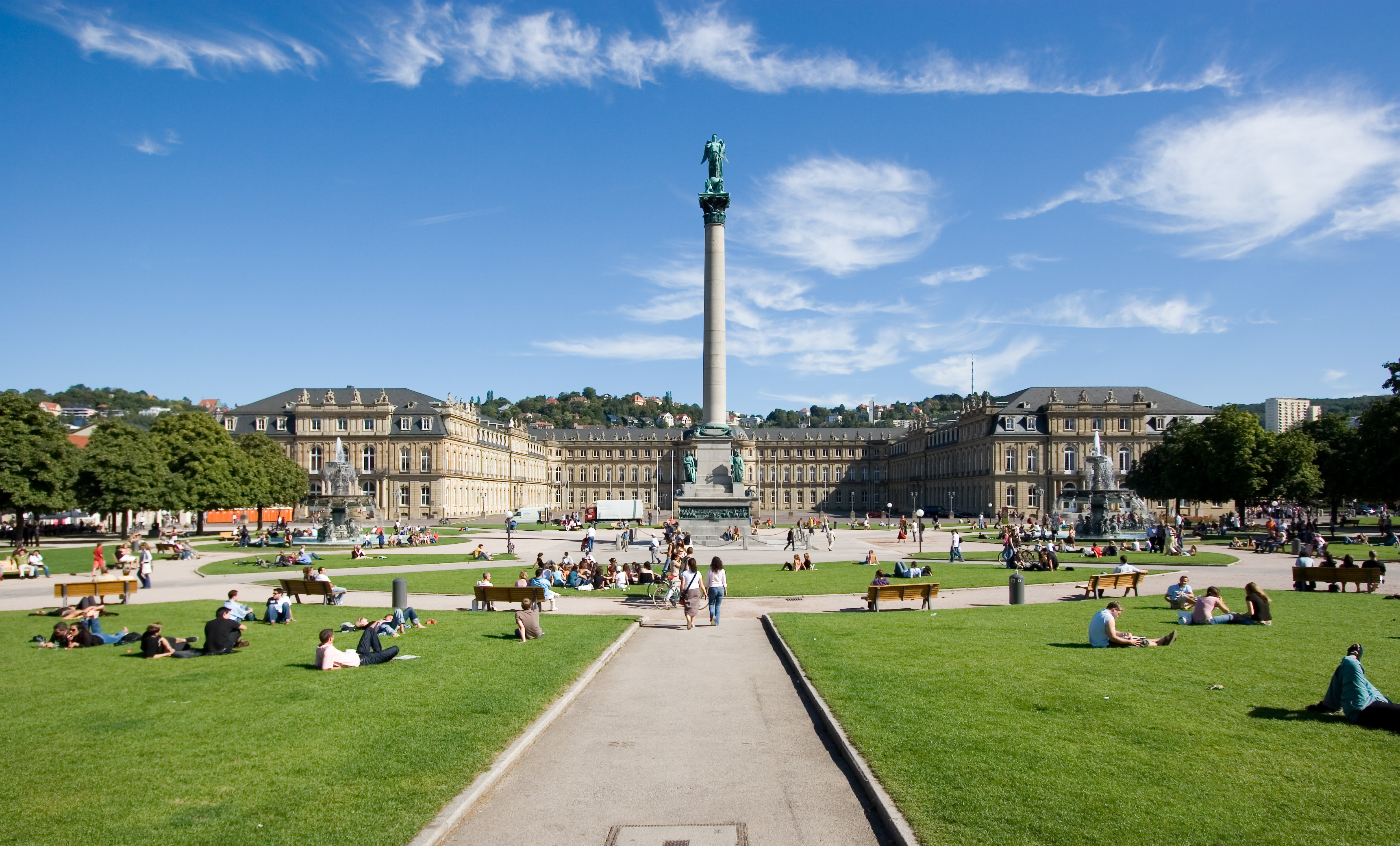
Stuttgart - WilhelmaSchlossplatz – The Schlossplatz (Palace Square) is the heart of Stuttgart and home to the new Schloss built between 1746 and 1807. Many open-air concerts are held in the square, using the Schloss as a backdrop, and it is home to Stuttgart’s Summer Festival. It is also adjacent to Germany’s largest shopping street, the Königstraβe, which features Stuttgart’s oldest shopping arcade, the Königsbau. The Schlossplatz is also a great place to hang out with friends, lie in the sun or visit one of the cafes opposite the Schloss.

Our top tip: if you’re visiting Stuttgart in summer, grab a gelato from around the corner and enjoy the sunshine on a spot of grass or, alternatively, if you’re visiting in winter, sit at a café, cover yourself in one of the blankets they provide and drink a Nutella latte!

Stuttgart - Schlossplatz

Fun Facts:

  • Stuttgart has the highest density of scientific, academic and research organisations in Germany
  • The Stuttgarter Weihnachtsmarkt (Christmas market) is one of the largest in Germany with approximately 280 stalls; its first mention is in documents from 1692 and nowadays attracts approximately 3 million visitors every year
  • The Porsche logo is a modified version of Stuttgart’s coat of arms
  • Stuttgart is one of the greenest cities in Europe
  • The Stuttgart ballet has ranked among the world’s best dance institutions for more than 50 years
  • Friedrich von Schiller studied medicine in Stuttgart from 1773 to 1780
  • Some of Stuttgart’s vineyards date all the way back to 3AD

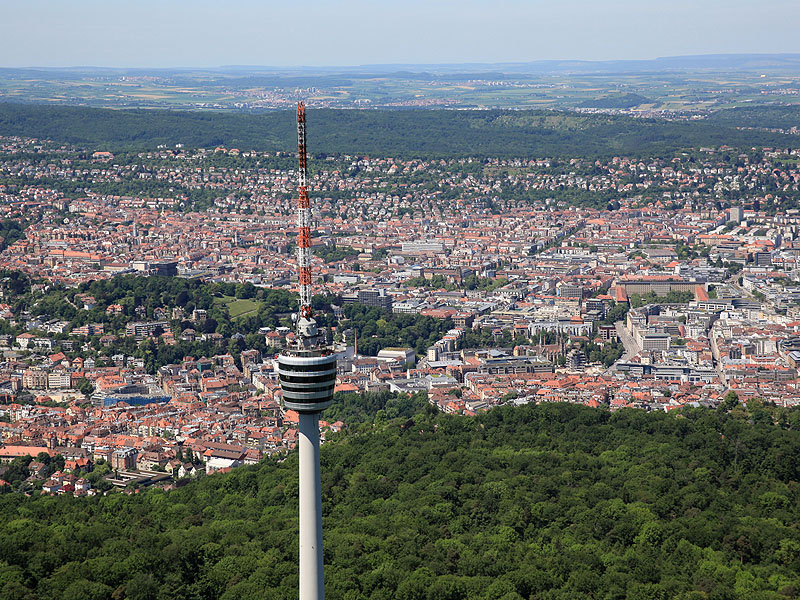
Stuttgart - Fernsehrturm

Categories: Uncategorized | Leave a comment

City Sportlight: Frankfurt am Main

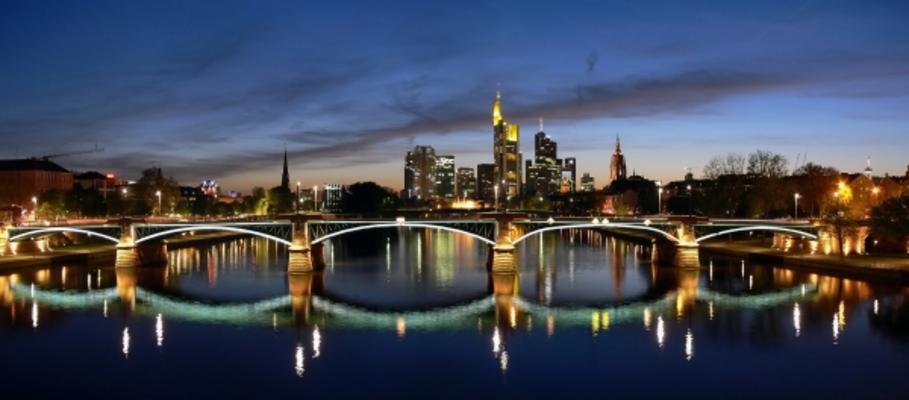
Frankfurt - PanoramaFrankfurt is the business and financial centre of Germany and Continental Europe. It is the fifth largest city in Germany and the largest city in the state of Hessen. The city is home to over 690,000 people and an additional 650,000 people commute to the city every day! Frankfurt is located on the Main river and is home to the European Central Bank and the German Stock Exchange. The city is one of the most unique cities in Germany where everyone from wealthy bankers to students live together in harmony. The city also boasts the largest international population in Germany: approximately 25% of Frankfurt’s residence do not own a German passport. Frankfurt airport is the third-largest airport in Europe – it is the gateway to Germany and is many people’s first point of arrival in Europe. Aside from being Germany’s business centre, the city is also home to many museums, theatres and a world-class opera.

Frankfurt - CityscapeTop 3 Tourist Attractions:

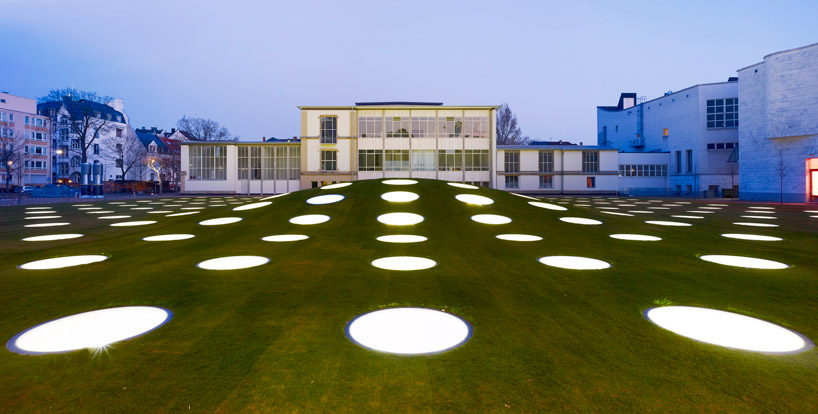
Städel Museum – The museum was originally established in 1815 by banker and businessman Johann Friedrich Städel and is now ranked as Germany’s oldest museum. Under a single roof, the museum offers a virtually complete collection of 700 years of European art, with a core focus on Renaissance, Baroque and early Modern art. There are over 3,000 paintings, 600 sculptures, 4,000 photographs and 100,000 drawings and prints found in the museums, including work by Albrecht Dürer, Rembrandt van Rijn, Jan Vermeer, Claude Monet, Francis Bacon and Pablo Picasso. This year marks the museum’s 200th anniversary and with that, they are expanding the museum experience into the digital realm. Find out more at http://www.staedelmuseum.de/en

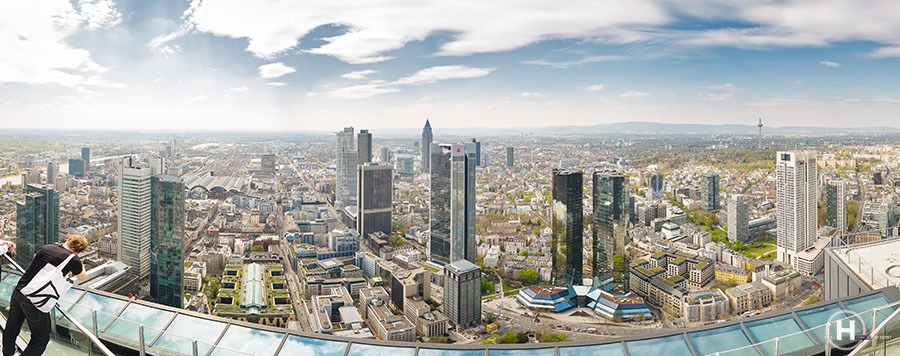
Frankfurt - MuseumMain Tower – The city’s Main Tower is a 200m high (240m including the antenna) skyscraper named after the river Main. It is the city’s only skyscraper with a viewing platform open to the public and gives visitors a view of the whole city (see photo below). The tower is the 4th largest building in Germany and has been the Landesbank Hessen-Thüringen’s headquarters since its completion in 1999.

Frankfurt - Main Tower ViewRömer (Roman)- The Römer is a medieval building in the Altstadt of Frankfurt and has been the city hall for over 600 years. The Römer family sold the building to the city in 1405 and it is one of the oldest buildings in the city. The building currently houses many offices, as well as the civil registry office. The hall suffered considerable damage in World War II and after reconstruction beginning in 1945 it was officially reopened in 1955.

Frankfurt - Romer


Fun Facts:

  • Frankfurt ranks as having the world’s seventh highest quality of life
  • The Frankfurt Stock Exchange, built in 1843, is the tenth largest stock exchange in the world
  • There are approximately 180 different nationalities living in Frankfurt
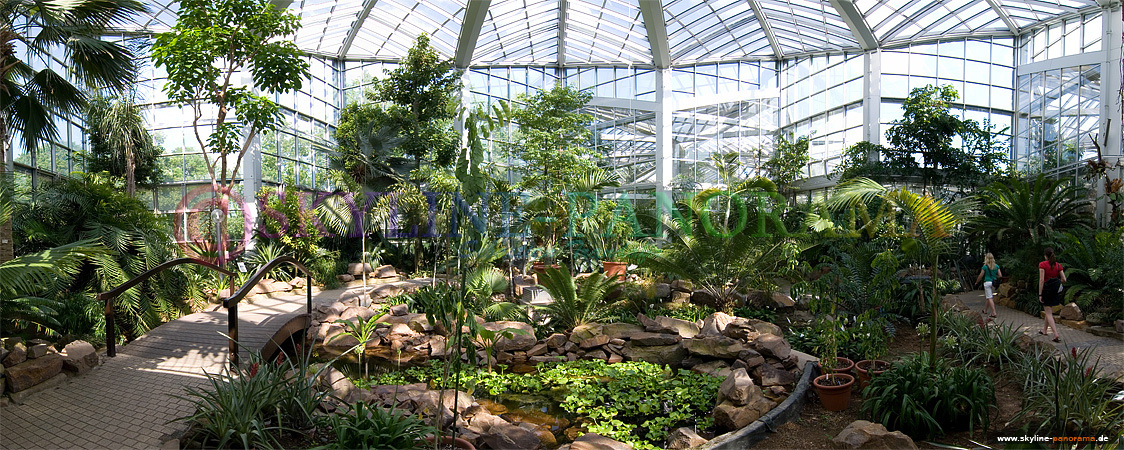
  • Spread over 22 hectares, established in 1971, the Palmengarten is the largest botanical garden in Germany (see photo below)
  • The Frankfurt book fair is the largest trade book fair in the world with over 7,000 exhibits
  • The famous frankfurter pork sausages have been served in the city since the 13th century
  • Frankfurt is home to Germany’s longest shopping street

Frankfurt- Palmengarten

Categories: Uncategorized | Leave a comment

Great Inventions You Didn’t Know Were German

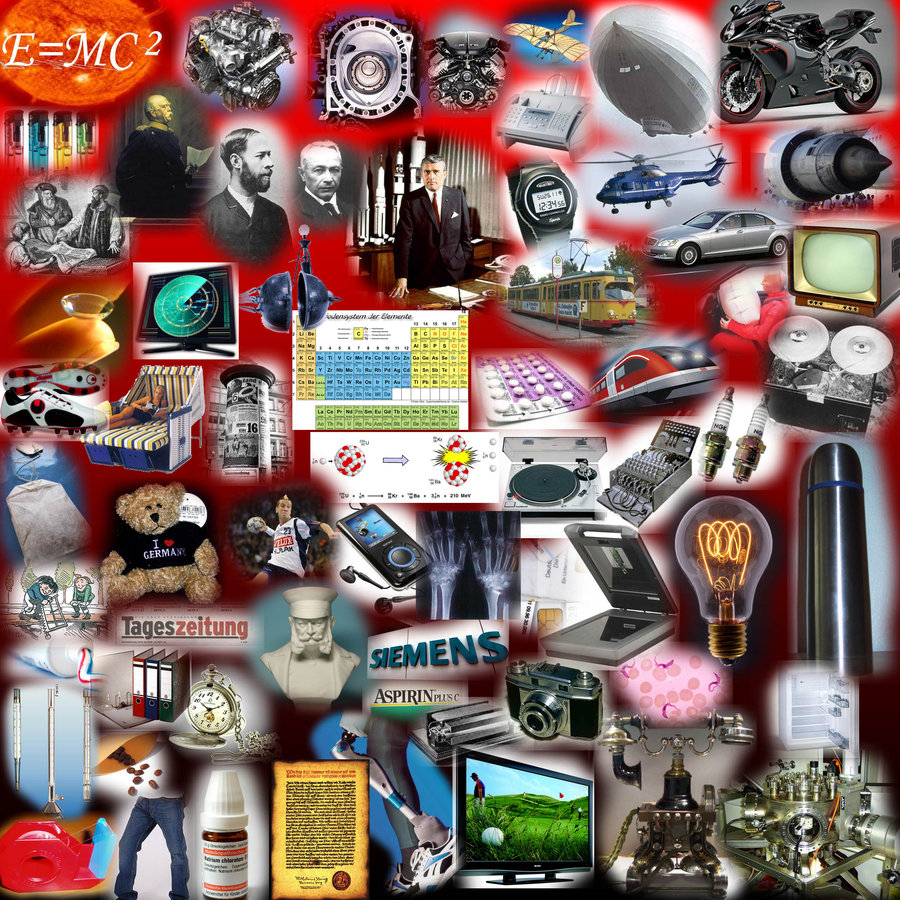
Blog 3- German InventionsThere’s no denying that Germany has played a major role in shaping the modern world. The first automobile was invented in Germany, along with the first motorcycle, truck, helicopter and cruise ship. Germany was the first to have a Christmas tree, advent calendar and an advent wreath. Scientific inventions and discoveries include the theory of continental drift, the discovery of Uranus and Neptune, Planck’s law and Planck’s constant, the theory of relativity, metal detectors, chip cards, computers, television, jet engines and the X-ray. Some musical inventions include the glockenspiel, clarinet, harmonica, accordion and gramophone record. So here are just a few lesser known German inventions:

Gummy Bears

These bear-shaped gummies were invented in the early 1920s when Hans Riegel founded his candy company – Haribo. The first gummy lollies produced by his companies were shaped like bears and Haribo continues to be one of the world’s top manufacturers of gummy lollies.

Blog 3 - Haribo

Aspirin

The world’s most popular painkiller, Aspirin, is a German invention! The little white pill was developed by chemist Felix Hoffman in 1897 for the Bayer AG (a giant pharmaceutical company). Although a US company claimed the patent after World War I, 25% of Aspirin produced globally is still made by Bayer.

Stationary

Many stationary items, such as the ring binder, hole punch, tape and glue sticks, were invited by Germans! The first glue stick was invented in 1969 by the company Henkel after studying the convenience of lipstick applicators. The first glue stick was released under the ‘Pritt Stick’ brand which was sold in 38 countries just two years later, and in 121 countries by 2001. The first multipurpose glue stick which could be used on other materials, such as wood and glass, was the ‘PowerPritt’ released in 2003.

Coffee Filters

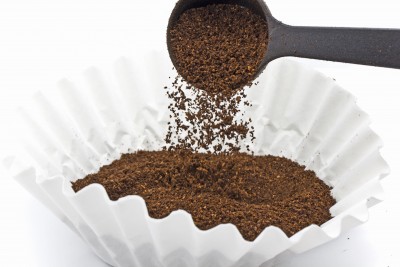
After using blotting paper from her children’s school books to remove unwanted coffee grounds, Dresden housewife Melitta Bentz had the idea to patent her invention in 1908. She then founded a company with her husband and the couple were selling over a thousand filters by the next year.

Blog 3 - Coffee Filter

The Easter Bunny

The Easter Bunny is well known around the world for leaving Easter-eggs for children on Easter Sunday. Whilst many people believed that the Easter bunny originated in America, it was first mentioned in German literature in the 1600s and was brought to America in the early 1700s by German immigrants who settled in Pennsylvania.

Categories: Uncategorized | Leave a comment

City Spotlight: Köln (Cologne)

Cologne - Panorama

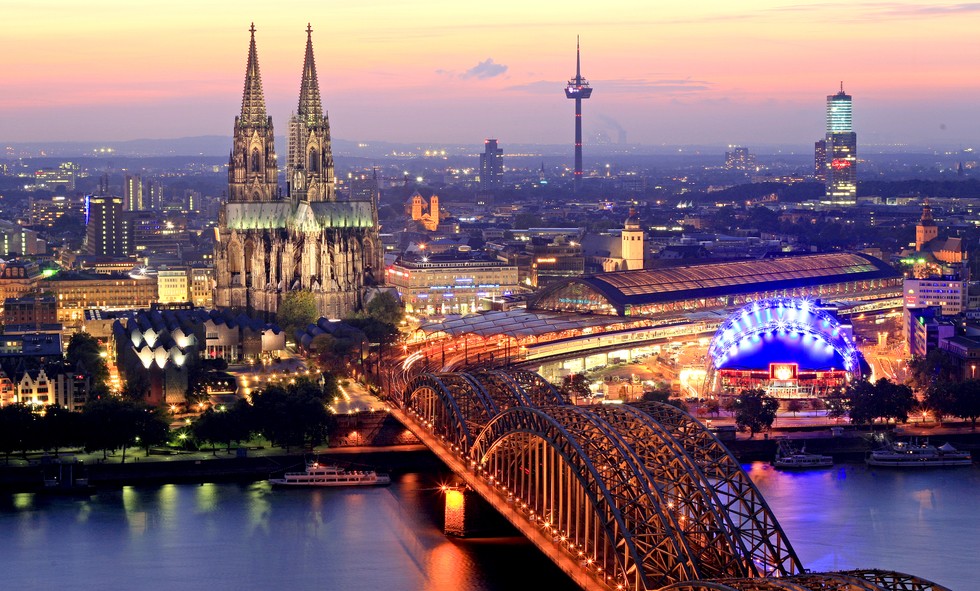
With a population of just over one million people, Cologne is Germany’s fourth largest city. The city is found on the Rhine (Rhein) River and is home to the famous Cologne Cathedral. Cologne is one of Germany’s oldest cities. It was founded by the Romans in 50 AD and was named ‘Colonia’ and just a few years later it became one of the most important trade and production centres in the Roman Empire north of the Alps. In the Middle Ages, Cologne was the most densely populated and one of the most prosperous towns in the German-speaking region.

Fast forward a few years…. 90% of the inner city was destroyed in the second world war and only 40,000 people were living in the city. In 1947 work began to rebuild the Old Town and the city now ranks as one of the most prominent travel destinations in Germany and Europe. The city has much to offer including the Cologne museum, which is ranked as one of the best museums in the world, the annual Koelnmesse, which is home to approximately 55 international tradefairs and attracts more than 2 million visitors, the extensive shopping options and the world renowned Cologne Carnival (Kölner Karneval).

Cologne - CityTop 3 Tourist Attractions:

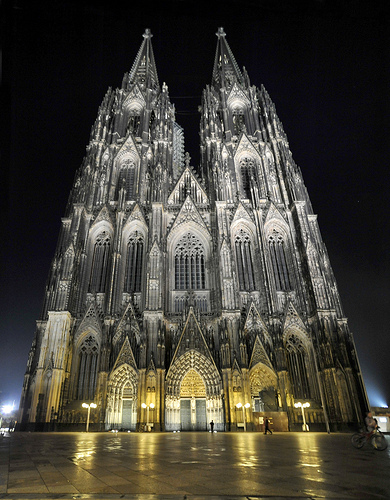
Kölner Dom (Cologne Cathedral) – The Cologne Cathedral is the most impressive building of the Cologne skyline and can be seen from almost every point in the city. The North Tower is an impressive 157.38m high with the South Tower just 7cm shorter. The gothic cathedral is the second highest building in Cologne and was completed in 1880, however, the Cathedral has a very long history dating back to 1248 when its foundation stone was laid. It was initially built to house the remains of the Three Kings, which Archbishop Rainald von Dassel brought back in 1164 from Milan, however, construction was stopped in the early 16th century when money ran out. For more than 300 years the city’s skyline was dominated by a huge building crane and an incomplete South Tower. After the turn of the 19th century there was a reawakened interest to complete the Cathedral and in 1842 King Friedrich Wilhelm IV ordered the recommencement of work on the building. It was finally completed in 1880, however, received extensive damage during World War II. Since then, the Cologne Cathedral has been restored and continues to attract millions of visitors annually. In addition to the Shrine of the Three Kings, the medieval gold craftsmanship within the Cathedral surpasses all other shrines in the Western world in terms of size and grandeur. The Cathedral is also home to a Medieval sacristan crypt which contains church treasures dating back to the 4th century made of gold, silver, bronze and ivory. Visitors are also able to climb up the stairs of the South Tower and enjoy a view of the city from approximately 100m above! On the way up visitors pass the bell chamber which contains eight bells including St. Peter’s Bell which is the largest freely swinging church bell in the world.

Cologne - Cathedral

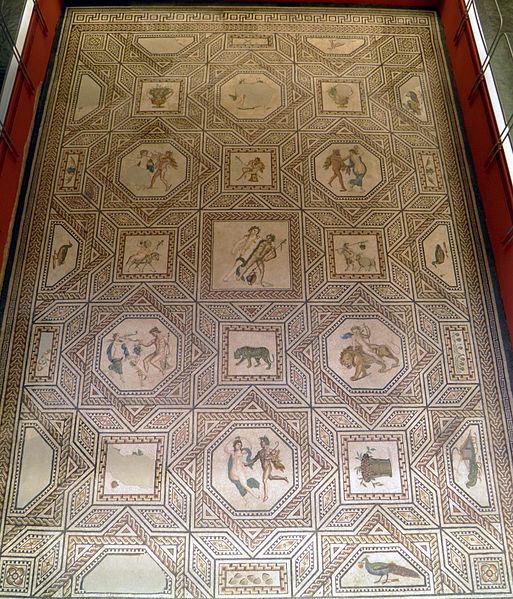
Römisch-Germanisches Museum (Romano-Germanic Museum) – the Romano-Germanic Museum is an archaeological museum featuring a large collection of Roman artefacts from the Roman settlement of Colonia. The basement is home to the museum’s main attraction, the Dionysus (god of the grape harvest) mosaic. This extremely well preserved mosaic was originally discovered when a bomb shelter was being built during World War II and is believed to have been created around 220 to 230 AD. The mosaic is made up of over a million pieces of glass, stone and ceramics and is the heart of the museum (in fact, the museum was built around this floor). The museum opened in 1974 and mimics the layout of the ancient village which once stood there. In addition to the mosaic, the museum features a reconstructed tomb of legionary Poblicius (approx. 40 AD), as well as an extensive collection of Roman glassware, medieval jewellery and many everyday items from life in Roman Cologne (including pottery, portraits, inscriptions and architectural fragments).

Cologne - Mosaic

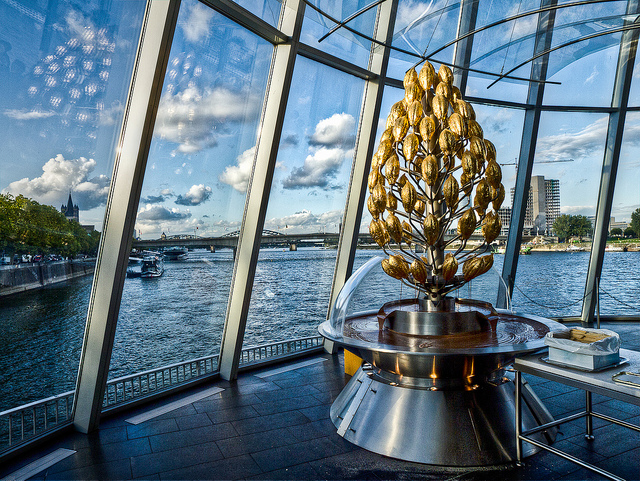
Imhoff Schokoladenmuseum – In 1993 Hans Imhoff opened one of Germany’s most popular museums – the chocolate museum! It is situated in the city’s Altstadt (Old Town) and exhibits the entire history of chocolate – from its beginnings with the Olmecs, Maya and Aztects, to contemporary products and production methods. The museum attracts over 675,000 visitors and provides approximately 5,000 guided tours annually. It contains a small tropicarium (a greenhouse made specifically for the growing of palms and other tropical and subtropical plants) which houses two species of cacao: Theobroma cacao and Theobroma grandiflorum. The museum also displays miniature versions of machines used in the production of chocolate, allowing visitors to observe the chocolate production process with small chocolate bars given out at the end. The museum-shop is found next to the foyer featuring almost entirely Lindt products, some which are almost exclusively found at the museum-shop. Finally, the biggest (and our favourite!) attraction is the 3m high chocolate fountain – employees dip wafers into the melted chocolate and hand them out to the visitors and yes, you can eat as many as you like!

my favourite fountain...Fun Facts:

  • The University of Cologne is one of Europe’s oldest and largest universities
  • Cologne is home to Germany’s only Palm Tree Alley
  • The city’s favourite pub snack ‘halber Hahn’ (or as the locals say, ‘Halver Hahn’) is often mistaken by tourists as being half of a chicken, when it is in fact a bun with cheese and mustard
  • The famous perfume “Eau de Cologne” was initially a medicine against the pox; the brand ‘4711’ used to be the house number of its founding company, Farina, in the Glockengasse
  • The Cologne Cathedral is Germany’s second largest religious building and was the highest building in the world for a four year period after its completion

Cologne - Panorama 2

Categories: Uncategorized | 2 Comments

Blog at WordPress.com.